The Payment Book I Mailed My Best Friend
I looked at that little stack of twenties on my table. I knew exactly what a hundred dollars was to her right then. It was groceries. It was half of the electric bill. It was a week of gas.
Every part of me wanted to push it back across the table and tell her to keep it. Steve would have let me. I knew that.
But I didn’t. Because that was what I had done for two years, and it had nearly cost me her. A debt you are not allowed to pay is not a kindness. It is a wall. I had built it myself, one quiet month at a time.
So I picked up the money, and I counted it, the way I count everything, and I said, “Thank you, Lor.”
Kenzie held out the payment book to her mother. Lori opened it to the second coupon. Her hand was shaking so badly I got up and got her my good black pen from the junk drawer.
She wrote the date. She wrote the amount. And in the space for the amount paid, in her loopy fair-stand handwriting that has not changed since we were nineteen, she wrote, “Paid by Lori. 78 to go.”
She tore it out along the perforation, slow and careful, and handed it to me.
I have it still. It is tucked under the magnet beside that photograph on the fridge.
“I can’t do more than a hundred,” she said. “Not for a while. Maybe not for a long while.”
“I didn’t ask for more than a hundred,” I said. “But I’m asking for one thing.”
She looked up, scared again.
“You bring it yourself,” I said. “Every month. You don’t mail it. You come sit at this table on the first, and you have coffee with me, and you tell me how bad it is. Every month. Even the months it’s bad.”
Lori stared at me. Then her face crumpled, and she got up out of that chair so fast it scraped the floor, and she came around the table and held on to me like we were nineteen and the midway lights had just gone out.
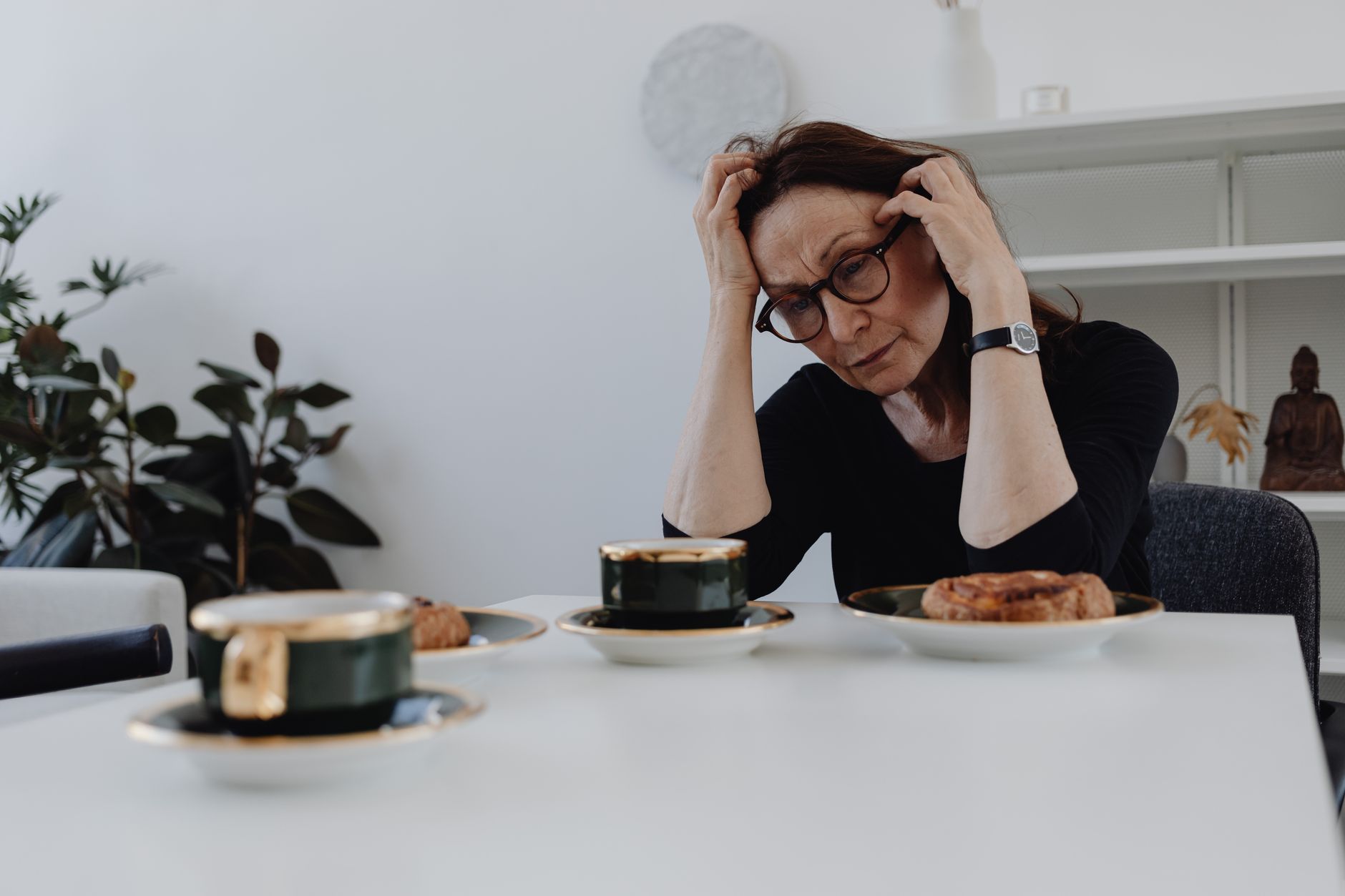
Over her shoulder, I saw Kenzie set the little white book down on the table next to the coffee mugs and press her hoodie sleeve against her eyes.
“You still have that picture up,” Lori said into my hair.
“I never took it down.”
“I took mine of the girls down after Dale left,” she said. “I couldn’t look at anything that was happy. I’m going to put it back up tonight.”
Steve’s truck came up the lane a little after five. He came in the back door with his co-op cap in his hand, saw the three of us at the table with red eyes and the coupon in my hand and the money beside it, and stopped dead in the doorway.
He looked at me. I nodded. That was all he needed.
“Well,” he said. “Kenzie, you want a pop? I know you don’t drink that coffee.”
Kenzie laughed out loud, the first real laugh of the afternoon, and said yes please.
Steve got her a can of root beer from the garage fridge, poured himself a cup of what was left in the pot, and sat down with us without a word about money.