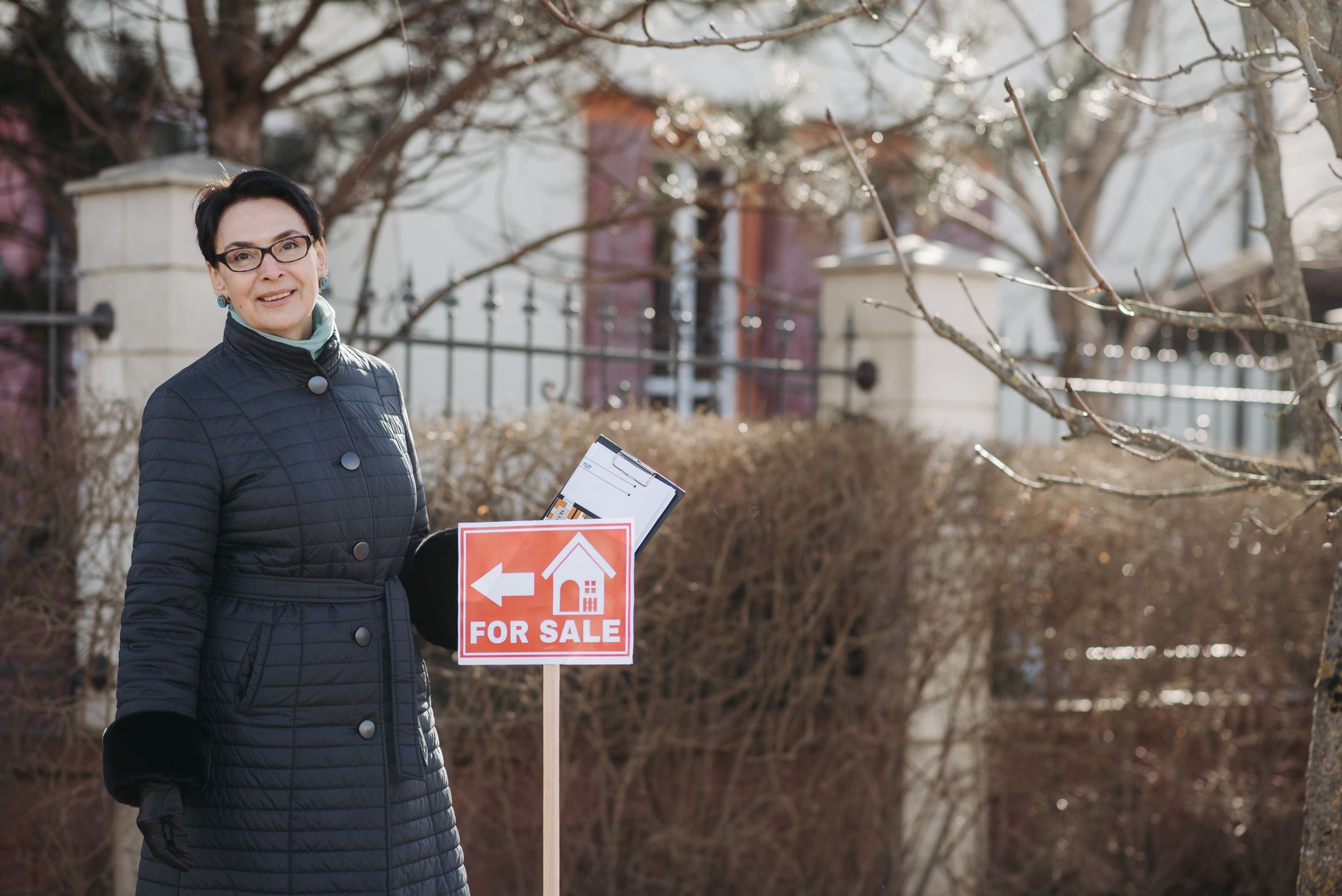
The Sign in My Son’s Front Yard
“You get first chance,” I said. “Until the fifteenth. That hasn’t changed, honey.”
“Then we want it,” he said. “If you’ll let us pay you for it. A real payment, every month, on paper. Not two hundred dollars a month for the taxes. The real thing, like anybody buying a house.”
I took the check and held it in both hands. I told him we would sit down at the kitchen table and figure out something fair, something written down, something they could carry.
Then I sent him home to his wife, because it was eleven o’clock and he could hardly stand.
I did not sleep much that night either. But it was a different kind of not sleeping, the kind where you lie there and thank God for things instead of arguing with Him.
At a quarter to six the next morning, before Doug left for the elevator and before the school bus came down Elm Street, I drove over to the little white house in my coat and my house slippers.
The street was dark and quiet. The maple was black against the sky.
I walked across the wet grass to that sign. I wrapped both hands around the post, the same way I had held it the afternoon before, and I pulled.
The ground let go easier than I expected. I laid the whole thing down flat in the back of my car and shut the hatch.
Rylan’s bus came at seven fifteen. I know because I sat at the curb and waited for it.
When he came out the front door with his backpack, he stopped on the step and looked at the empty spot in the grass for a long time.
Then he looked at my car and waved with his whole arm.
I rolled the window down. “Grandma,” he hollered across the yard, “the sign is gone!”
“It sure is, buddy,” I hollered back. “You aren’t going anywhere. You hear me? Nowhere.”
He grinned and ran for the bus with his backpack bouncing. I sat there with both hands over my mouth until it turned the corner.
When I looked back at the house, Jessa was standing in the doorway in her robe, holding Hazel. She had seen all of it.
She raised her hand, just a little, and then she came down the steps and across the grass in her bare feet and stood at my car window.
“Can I come over this morning?” she asked. “Just me. I’ll get my sister to watch the kids. I need to say something to you, and I need to say it at your table, not out here in the street.”
I told her the coffee would be on.
She came at nine. She sat at our kitchen table, the same table where we had first told them about the house, and she held a cup of coffee she never drank.
She did not cry at first. She talked very steadily, looking at the tablecloth, like she had practiced it the way I had practiced mine.
When she was sixteen, she said, her parents started charging her rent. Fifty dollars a week out of her Dairy Queen paycheck. Her older brother never paid a dime.
When she was seventeen and came up twenty dollars short one week, her dad set her duffel bag out on the porch and told her she could come back in when she had it.
“I slept in my car that night,” she said.
Loved this story!