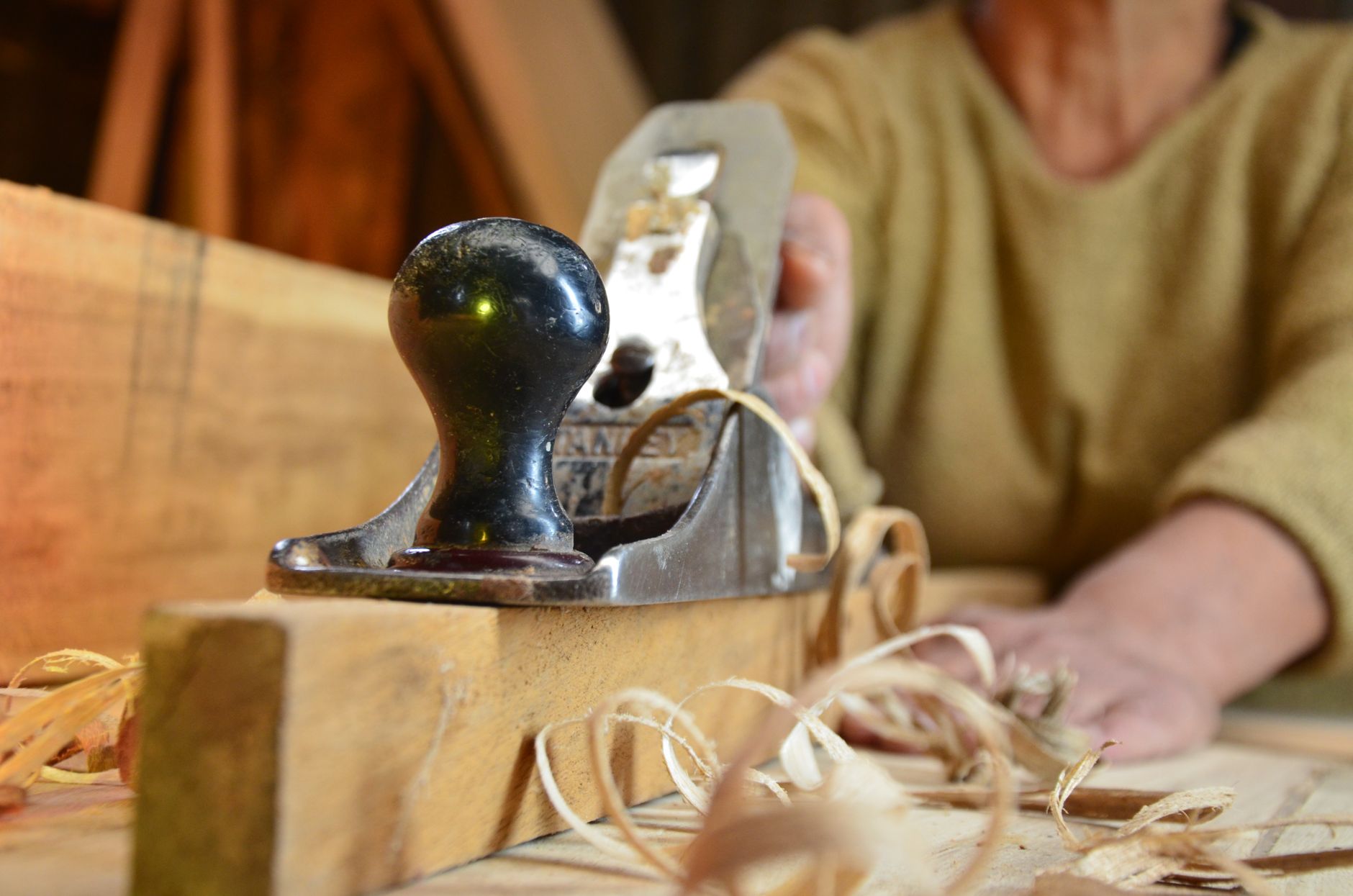
The Pine Boxes His Class Built
The Years of Calls
I could not tell you the exact number of caskets that came out of that shop. Dale never kept a tally where anyone could see it, because he said a tally would turn it into a score.
But I can tell you it averaged two or three a year for thirty years, and that in a bad winter it could run to five.
There was the winter of the ice storm, the year the plant out on Route 9 closed, when four families in two months could not bury their dead.
Dale ran the shop lights every Saturday that January. He went through a cord of pine. The boys came in snow boots and left in the dark.
There was the baby that came early and did not live a day, and Dale built that box himself, alone, after the boys had gone home, because he did not think it was fair to ask a teenager to measure for something that small.
He came home from that one and sat in the truck in our driveway for a long time before he came in.
There was the old veteran with no family, whose only mourners were the six boys who built his box and carried it.
And there was the time a family tried to pay him. The husband had come into some money a year later and drove out to our house with two hundred dollars in an envelope.
Dale would not take it. He told the man, “Put it in the poor box at your church, and when you hear of a family in a bad way, you tell them to call the school.”
That was how it spread. Every family Dale helped became a family that sent him the next one.
There was a spring the river came up and took the low houses out past the bottoms, and a man drowned trying to move his truck, and his people had just lost the house and everything in it.
Dale had a box to them inside four days. He told the boys that week that fast work is a kind of mercy, that grief and waiting do not belong in the same room if a man can help it.
And there was the Hendricks girl, eighteen years old, a car on an icy county road two days before Christmas.
Dale did not want to run the shop over the holiday and put that on his boys. But a dozen of them showed up anyway, the day after Christmas, and they built her casket with the parking lot full of their parents’ cars.
He told me that night that he had tried to send them home and not one of them would go. He said, “Ruth, I think I have been doing this wrong. I think they need it as much as the families do.”
I believe that was the truest thing he ever figured out about the whole business. The box was for the family. But the building was for the boys.