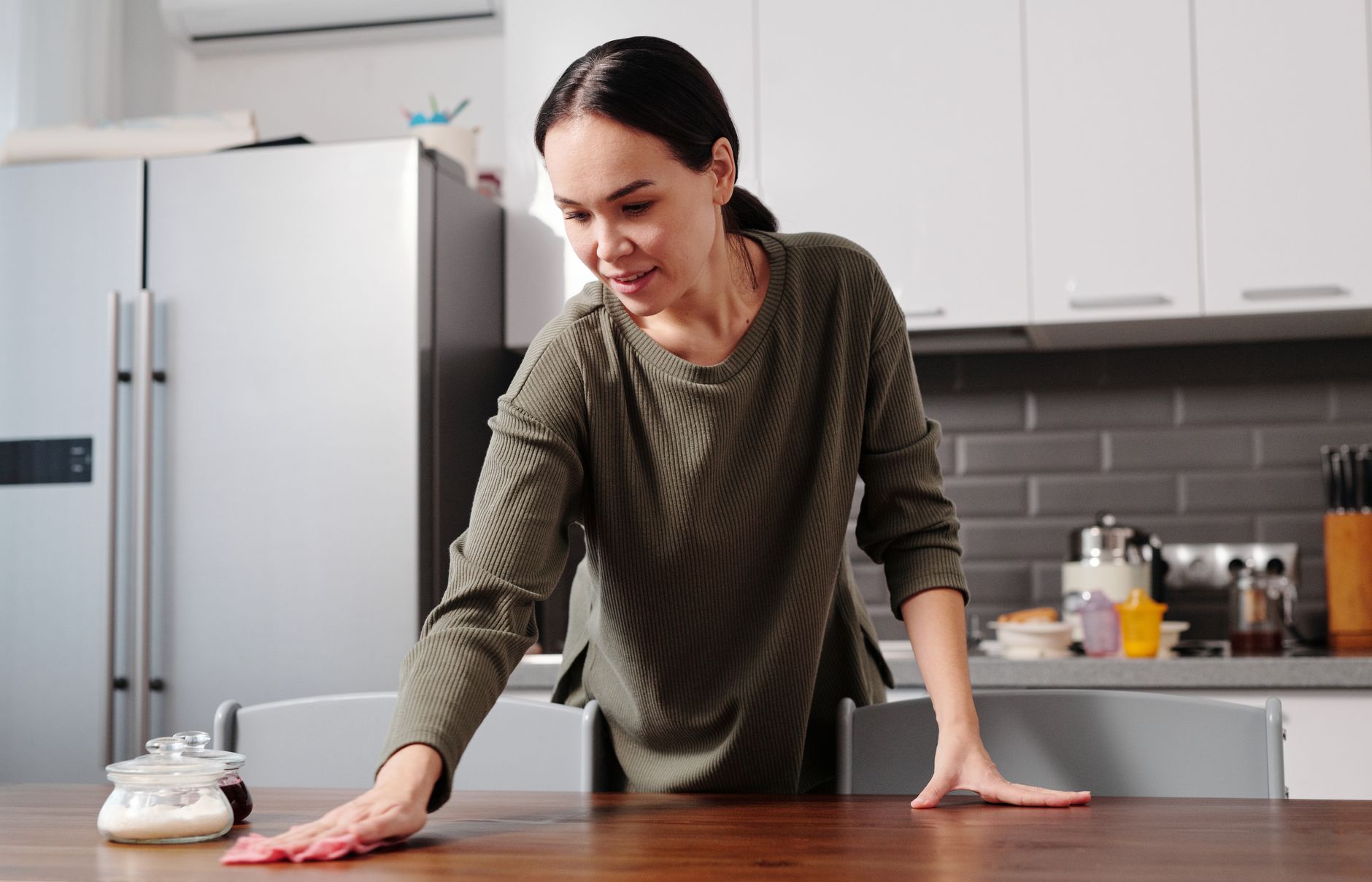
The Oak Table That Paid for Her Braces
Kristy had a girlfriend whose husband had one, and Shane wanted, for one summer, to be the kind of man who had one too.
“He said he was ashamed,” Bev said. “He said he couldn’t look at Maddie and tell her he didn’t have $600, because then she would know what kind of father she had. So he told her it was tight and he’d do it later. And then he went and posted that picture like a fool, because I suppose he wanted somebody to think he was doing fine.”
I sat down on one of the folding chairs. I hadn’t known about the hours. He never told me.
He would have rather I thought he was cheap than know he was broke. That was Shane all over, the whole nineteen years.
“I told him what my husband would have told him,” Bev said.
“I told him a man pays for his children first and his toys last, and if he can’t do both, the toy goes back. Gene made payments on a five-dollar-a-week table so his boys would have a place to eat. He didn’t buy himself a boat.”
She held out the envelope.
Inside was a check from Shane, written in his blocky mechanic’s printing, for $600. In the memo line it said, “Maddie braces. Sorry, Jess.”
“He wrote that at my kitchen table last night, with me standing over him,” she said.
“And I’m holding him to the $140 too. Half of it, $70, every month until those braces come off. He brings it to me first, so I know. He’s taking the Jet Ski back to Waseca on Saturday. They’ll buy it back at a loss, and that loss is his to carry. Not yours. Not Maddie’s.”
I read the check twice. Then I folded it and held it in my lap.
“There’s one more thing,” Bev said. “Russ and Marlene said to tell you something, and I want to say it exactly. They said they’ll sell the table back at what they paid. Thirteen hundred dollars. No hurry and no interest. Marlene said she’d never sit at it easy, knowing.”
I looked at the dark rectangle on the carpet a long time.
I want to tell you I thought it through like a sensible woman. I didn’t. It came to me all at once, like it had been sitting there waiting.
“Bev,” I said. “Buy it back for you.”
She blinked at me.
“Not for me. For your kitchen. It was in your kitchen from 1971 until we got married. You gave it away because you couldn’t stand to look at one empty chair.” I swallowed.
“There’s no empty chair now. There’s Maddie. Have her over for Sunday dinner. Every Sunday, if you’ll have her. Let her eat at that table at your house. And someday, when she has a family of her own, it goes to her.”
Bev didn’t say anything for a while. She took a folded handkerchief out of her cardigan pocket and pressed it under each eye, one and then the other, very neatly.
“Jessica Kroll,” she said, “you were always the best thing my son ever did, and I include the time he rebuilt that ’68 Ford.”
“Is that a yes?”
“It’s a yes. I’ll write Russ a check tonight. Gene would have liked that. He always said a table goes where the family is.”
Maddie had been in the hallway the whole time. I don’t know how long. I only knew because the floorboard by the bathroom creaks, and it creaked when she stepped out.