The Little Cabin Across the Lake
At six I was up and mixing batter. I had brought blueberries from the stand outside Remer and a jug of real maple syrup I bought from a farm near Pierz, the kind in a plastic jug with a handwritten label.
At five minutes past seven, I heard it. A splash and a giggle, carried flat across the water the way sound carries at a lake in the early morning before the wind comes up.
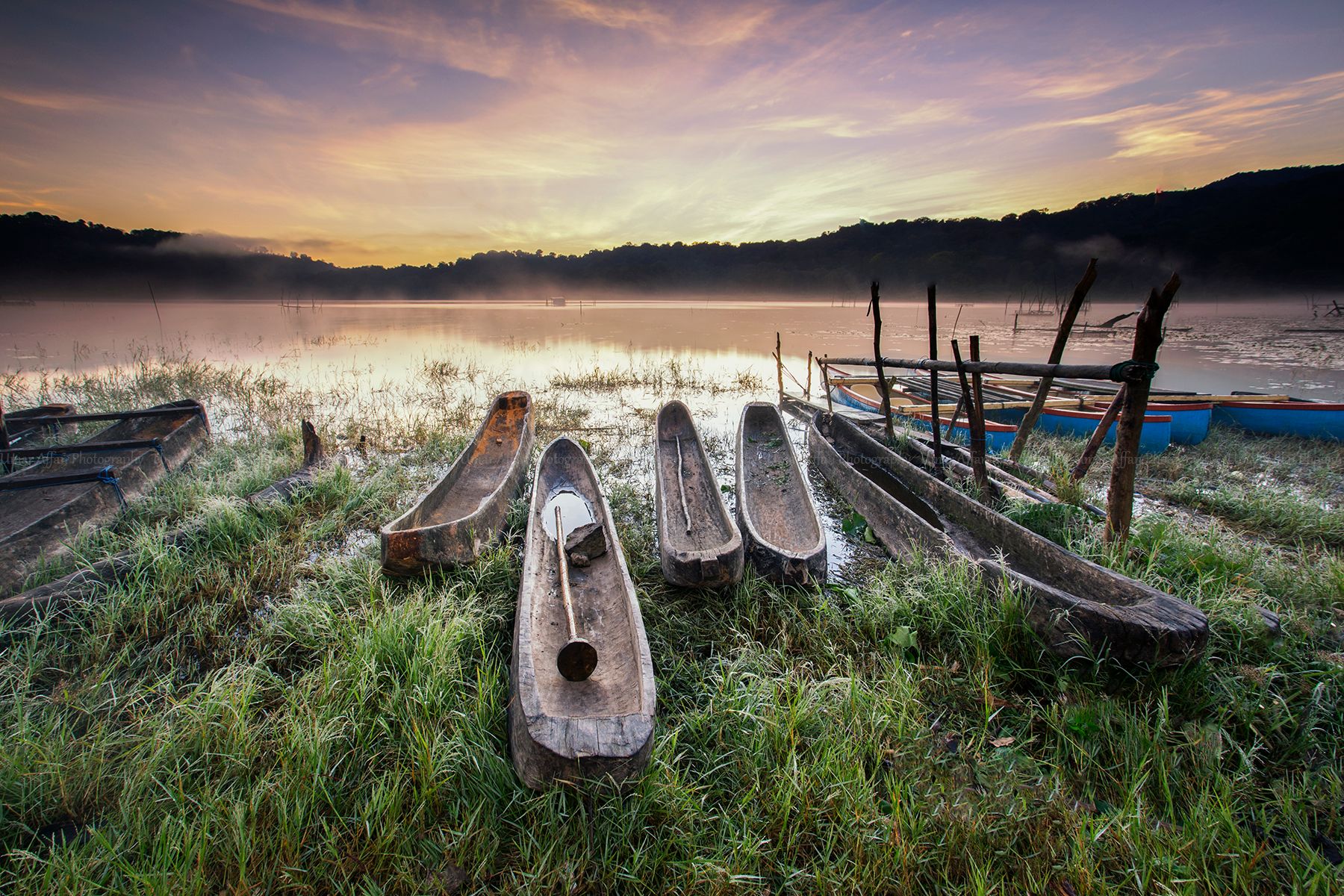
I went out on the dock. The mist was still lying on the bay in soft white rags, and out of it came a green canoe, wobbling a little, with two bright life jackets in it, one blue and red, one pink.
Addie was in the stern, steering, her red curls flying, a bossy seven-year-old captain.
Cooper was in the bow, paddling hard on one side and then switching too often to the other, the way beginners do.
Behind them, across the water, I could see Nate standing at the end of the big dock in a gray sweatshirt with a coffee cup in his hand. He did not take his eyes off that canoe once.
It was flat calm, and the kids had paddled since they were small at their other grandpa’s place on Green Lake.
Still, my heart was in my mouth until they bumped my dock with a hollow knock.
“Grandma!” Addie shrieked. “We paddled the whole entire way!”
“You certainly did,” I said, and grabbed the gunwale and held it steady while Addie climbed out like a sailor and Cooper climbed out like a wet cat. I waved across the water at Nate. He raised his cup.
I had pancakes stacked in the oven, keeping warm. They ate eleven between them.
Addie drowned hers in syrup and Cooper ate his rolled up like a burrito, the way his grandpa used to.
“Why are you over here, Grandma?” Cooper asked between bites. He is nine, and nine is the age when children start noticing that grown-ups do things that do not add up.
I thought about how to answer. I have spent my whole working life choosing words for children, and the rule I learned early is that you never lie to them and you never hand them a load they cannot carry.
“Grandma Diane needed a quiet room,” I said. “And I always wanted to stay in a little cabin like this one. So it worked out for everybody. Now you have two docks this week instead of one.”
Cooper chewed that over. “Two docks is better,” he decided, and reached for another pancake.
After breakfast, I read them two chapters of a book about a boy and his dog in the Boundary Waters, out on the porch with our feet up on the rail. Then I walked them down and watched them paddle back.
Nate was waiting on the far dock. He caught the bow line, lifted Addie out by her life jacket straps, and gave me a thumbs-up across the water. That was our whole conversation, and it was enough.
They came back the next morning. And the next. It got to be a thing, the way things do at a lake, where three days of anything is a tradition and four days is a law.
Every morning at seven, the green canoe came out of the mist.
Every morning, Nate stood on the big dock with his coffee and watched every stroke until they touched my boards and I waved him the all clear.