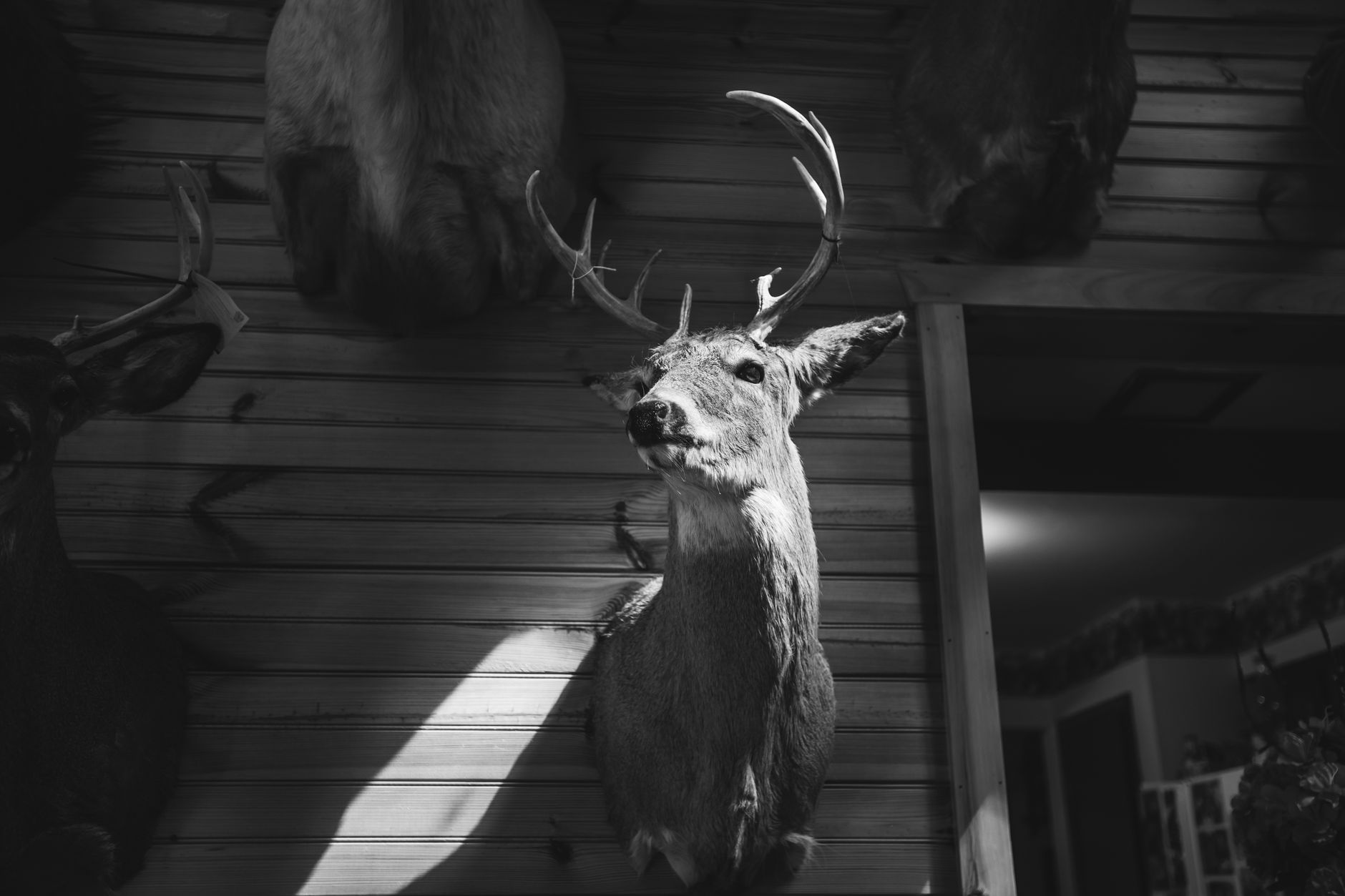
The Deer Camp I Opened For Him
“Camp is for family,” he said.
That was all. He didn’t say it mean. He said it like a man reading a sign out loud, a fact that had nothing to do with him. Amber’s mother, Jean, was at the stove. I saw her shoulders go still. She didn’t turn around.
In the car, Amber was furious. “You are family,” she said. “You’re the father of his grandson. What does he think family is?”
“It’s his camp,” I said. “Let it go. Maybe next year.”
I asked the next year. I asked the year after that. Some years I asked at Sunday dinner and some years I asked out at his machine shed, where he kept the old Farmall he restored, because I thought maybe it would go better man to man without anyone watching.
It never went any different. Twelve times I asked him. Twelve times he said the same four words, and every time he said them like he was reading off the same sign.
Kurt and Tony went every year. Kurt is the oldest, forty now, a lineman for the electric co-op, quiet as his father. Tony is two years younger and sells seed corn, and Tony could talk to a fence post. Their cousins went. Dennis’s brother went until he passed.
Lyle Bauer went. Lyle was not a Hagen. He was Dennis’s hunting partner for close to fifty years and had a farm three miles from Dennis’s place, and he had been at that camp every opener since he was sixteen. I never understood that, and I never asked.
The year Mason started kindergarten, Tony cornered me at the Fourth of July picnic with a can of beer in his hand and a look on his face like he had something stuck in his teeth.
“Dad’s got his ways,” he said. “Don’t take it personal. It’s nothing about you.”
“It’s nothing about me,” I said. “It’s about me not being a Hagen.”
“Well.” He looked at his beer. “Yeah. I guess that’s what it is.”
“Did he ever say why?”
“Dad?” Tony laughed. “Dad doesn’t say why about anything. You’ve met him.”
Kurt never said a word about it in all those years, and I want to be fair to Kurt.
Once, the year Mason was eight, he left a doe tag’s worth of venison in a cooler on our back step with no note. I knew who it was from. That was Kurt’s way of saying it.
Jean tried once. She took me aside at Christmas the year Mason was ten, while Dennis was outside plugging in the extension cord for the lights.
“He’s not a hard man, Ryan,” she said. “I know he seems it. There’s a reason, and it’s an old one, and it isn’t mine to tell. Give him time.”
I gave him time. Jean died two years later, the spring Mason was eleven. It was her heart, in the garden, on an April afternoon.
Dennis found her. After the funeral he sat in his recliner for most of a month, and he did not go to the machine shed.
That fall he went to camp anyway. The next fall, he took Mason.
This September, Dennis had his left knee replaced at the hospital in Wausau. He had been limping on it for five years and lying about it for four. He was sixty-six, and the surgeon told him it was bone on bone and had been for a long time.