The Prayer Chain and the Birthday Party
Where Ben was
It was the second week of October.
Ben’s beans were in and he was three days into the corn, which meant he left the house at six and came home when the dew came down, some nights after eleven.
I didn’t call him in the field. You don’t call a man in the combine cab about something he can’t fix from the combine cab. I texted him one line, “Call me when you’re done, it’s about your mom,” and I put Eli to bed.
He came in at ten past eleven. I heard the pickup on the gravel and then the mudroom door.
He smelled like diesel and chaff when he bent to kiss me, and I held the phone up so he could read it before he even got his cap off.
He read it standing there. I watched his jaw.
“She knew,” he said. “You told her it was ours to tell. You told her that.”
“I told her.”
He put his hand out for his own phone, which was on the counter charging. “I’m calling her.”
“Ben. It’s eleven o’clock.”
“She’s up. She’s always up.”
I put my hand over his phone. Ben is a fair man and a careful one, and he does not fly off.
But I had thought about it all day at the clinic, and I knew how that call would go.
“If you call her tonight,” I said, “you will be right, and she will cry, and your dad will get on the line, and by Friday everyone on that list will know the Nygaards had a fight about the boy with autism. And that’s all Eli will ever be in this town. The boy they fought about.”
He stood there with his hand on the counter. The furnace kicked on. Somewhere upstairs Eli turned over in his sleep, and the bed creaked.
“So we just let it go?”
“No,” I said. “I don’t know what we do. I just know it isn’t that.”
What I thought about at work
The next day was Friday, and the clinic was busy.
A heifer with a prolapse first thing, two barn cats to spay, and a black Lab who had eaten most of a corncob and was not feeling sorry about it.
Around ten, Harold Lind came in with his old blue heeler for her shots. Harold is eighty.
He farmed a half section east of town until his knees quit, and he still drives a 1979 Ford with a feed store calendar on the dash.
He sat in the waiting room in his seed cap with his hands folded on his cane, and while I drew up the vaccine, he asked me how Eli’s tractors were coming along.
Not how Eli was. Not whether we were holding up. How his tractors were.
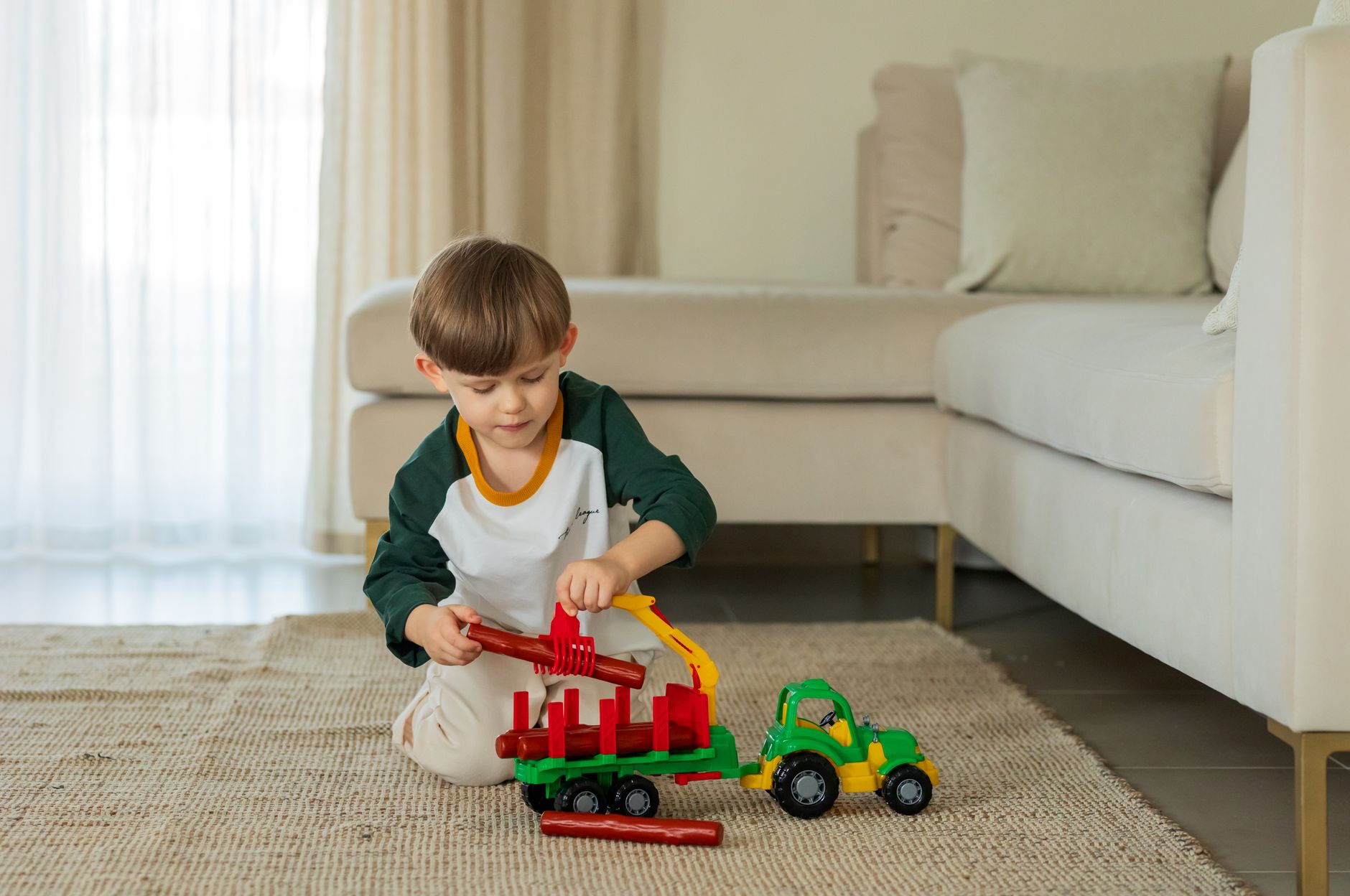
“He’s got a magneto off a Farmall H now,” I said. “Ben’s dad found it in the shed. Eli sleeps with it some nights.”
Harold’s eyebrows went up. “An H. Is that right.” He seemed pleased in a way that had nothing to do with me. “I drove an H till I was nineteen. Hand crank and all.”
He didn’t say one word about the email. He was on the list. I knew he was.
But he didn’t say a word, and he looked at me like I was the same girl who had been giving his dog shots for six years.
When he left, I stood in the back with my hands on the steel table and thought about how you handle a scared animal.
You don’t corner it. You don’t make a big noise. You get low, and you let it come and see who you are.
I thought, they’ve only met the email. They haven’t met Eli.