The Burnt Sugar Cake in Room Six
Sing
Leon cleared his throat in the doorway.
He did not come in until he was asked. He looked at the man in the bed, not at me, and he said, “Don, would it be all right if we sang to you?”
I did not answer for him. I want that on the record. I stood with my hand on the blanket and I kept my mouth shut, and I watched my husband’s eyes come to my face and rest there, the way they used to at a family dinner when somebody asked him something he didn’t want to answer first. I only looked back.
Then he turned his head an inch toward Leon.
“Sing,” Don said.
It was not a whisper. It was the voice he used on the two-way radio to call the grader crew out before light, and it had one more morning left in it.
Leon began “Happy Birthday,” low, not a performance. Just a man’s voice, an old Lutheran bass voice with a crack in it, starting the song most of us have sung at some kitchen table since we could stand.
Kathleen joined him from the foot of the bed. Denise came back with the pitcher and put it down without a sound and sang in a high, sweet voice with a little country in it. Troy came back in and stood against the wall with his cap in both hands and sang in a voice like a rusted gate. Emma sang. Wyatt sang too loud. Homer sang with his eyes shut.
I stood by the bed with my hand on Don’s chest and felt it rise and fall under my palm. Don did not sing. He couldn’t. But his lips moved with the words, and his hand, the one with the knuckles standing up, found mine and held it.
What Amber saw
I heard her heels before I saw her. Quick ones, and then slow ones.
Amber was standing behind Leon in the door of Room Six, holding a white bakery box in both hands. The van had pulled in early, and someone at the station had told her which room.
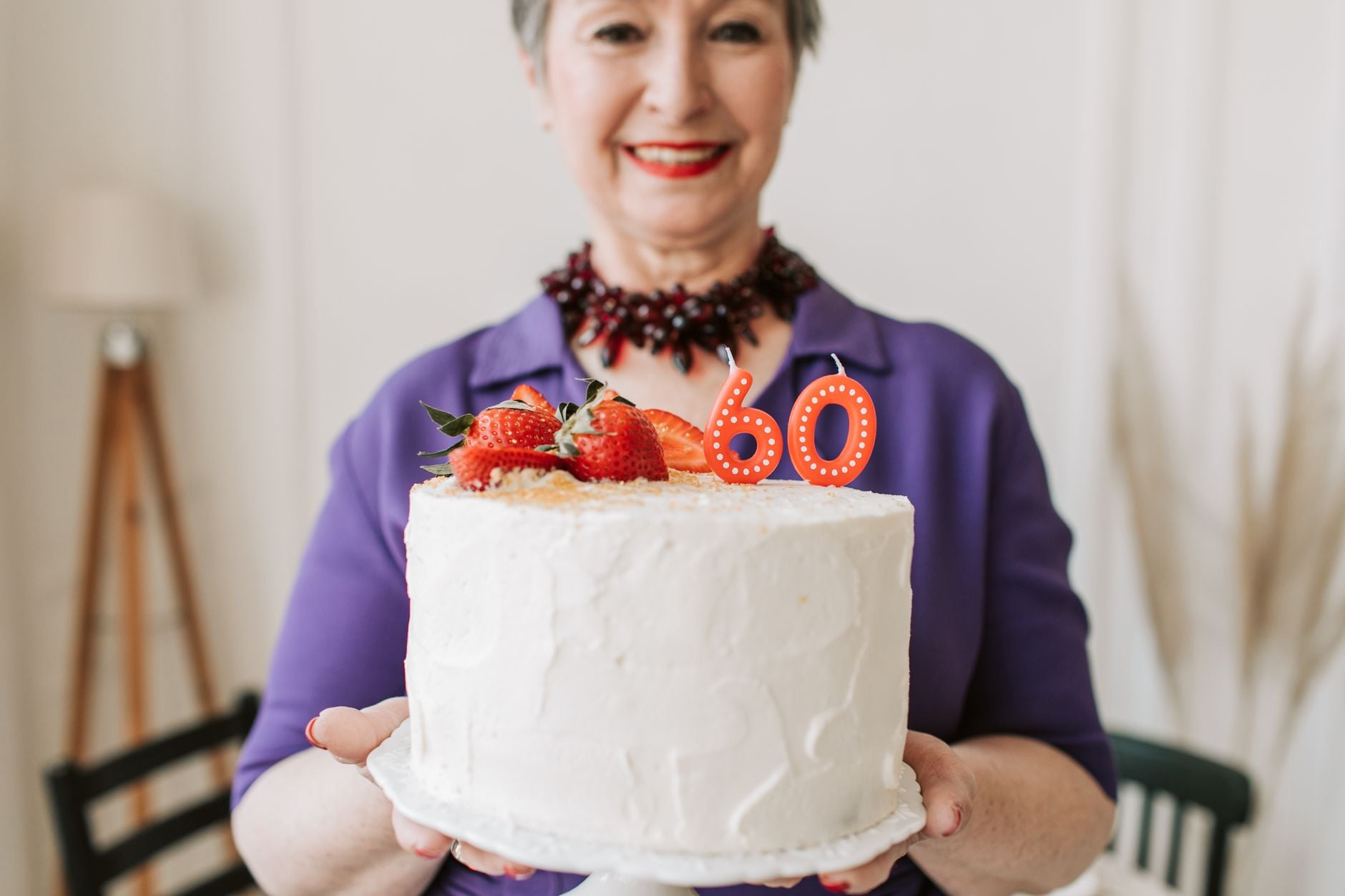
Her mouth was a little open. Her eyes went from Leon, to the paper plates in Denise’s hands, to the burnt sugar cake on the tray table with the little battery flame on top, to Emma holding her grandfather’s fingers, to her husband.
She had gone white to the lips.
Homer did not say anything. He looked at her for a long time. Then he looked at the carrier on the sill, at the green lid, and I saw him see the faint gray smear where the coffee grounds had been that I had not got.
Don turned his head on the pillow, slowly, the way he had been able to do for only a few hours of that whole week, and looked at the woman in the doorway.
“Amber,” he said.
She flinched. I saw her flinch.
“Hi, Don,” she said. Her voice was not steady. “It’s, um. It’s from Bella’s. It has your name on it.”
His eyes went to the white box. They went to the green-lidded carrier. They went back to the box.
“Two,” he said.
It was not a rebuke, and I do not think he meant it as one. He was a man in his last good hour counting the cakes in his room. But Amber heard it as I would have heard it.
His eyes closed after that. The good hour was closing, softly, the way they do.
“Put it on the sill, honey,” Denise said gently, and she took the box from her hands. “We’ll get it to the break room later. The night shift is going to be so happy.”
That small, practical, kind thing. I think it saved Amber the next minute. She nodded and went out into the hall.