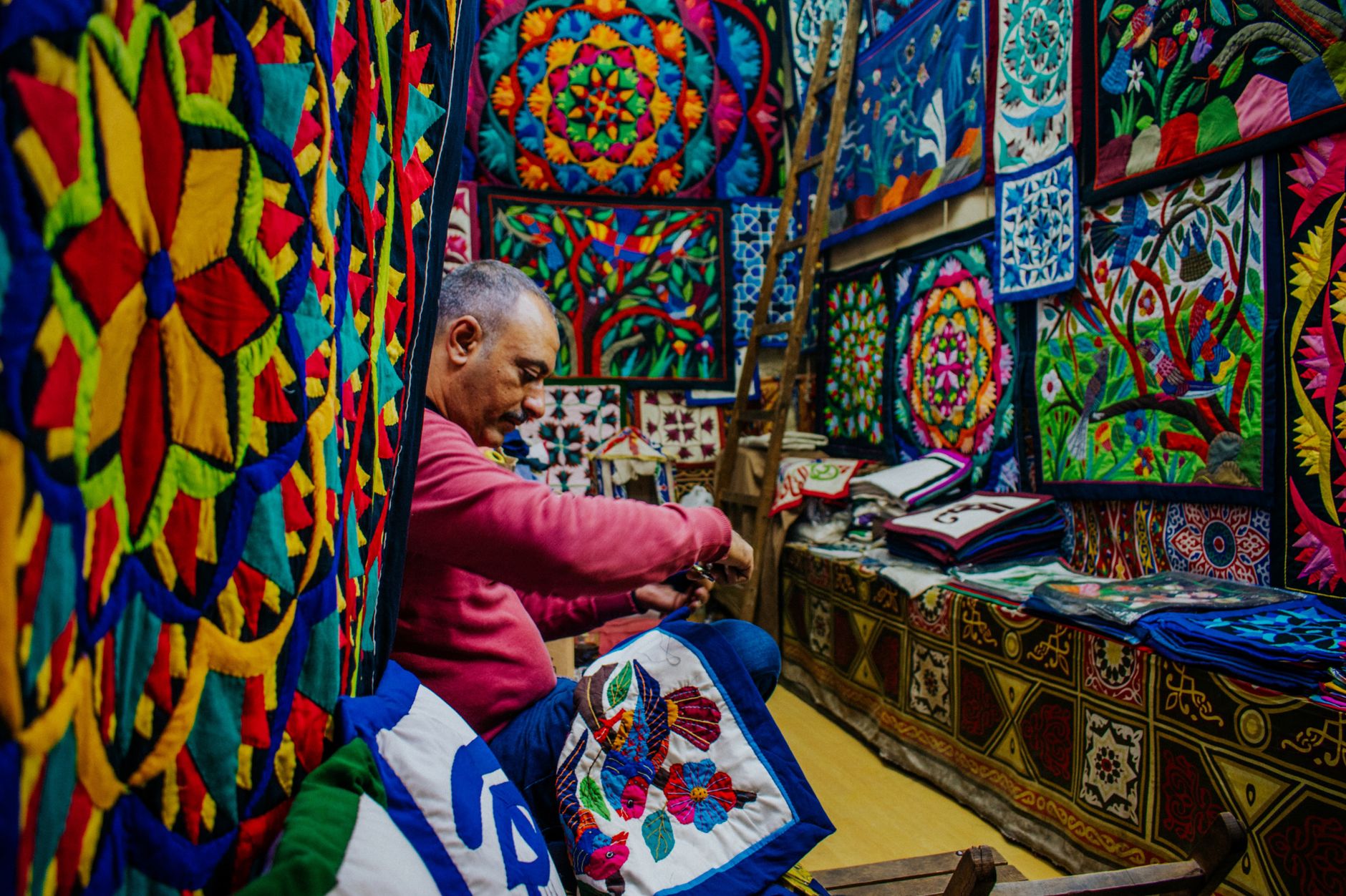
The Quilt on Our Pickup Tailgate
The truck
The Ferris wheel was lit up against a sky that had not gone fully dark yet. You could smell pork chops on a stick from the Pork Producers stand and the cattle barns underneath all of it.
We got into our pickup, a 2011 Silverado with a cracked dash and a hundred and ninety thousand miles on it, and Abby put the pillowcase on her lap and held it there.
She did not cry right away. That was worse.
“Was it my fault?” she said.
“No,” I said. “It was my line. I didn’t sign it. That is mine, not yours.”
“You were at work when I filled it out.”
“I know. And I should have checked it when we dropped it off.”
But here is what I kept turning over as I pulled out of the lot. I had checked. Not well enough, but I had asked. At check-in that afternoon, at two o’clock, Carla had been sitting at the long folding table at the front of the building with her clipboard and her reading glasses on a beaded chain. I had handed her Abby’s tag myself.
She took it out of my hand. She looked at it. She said, “You’re all set.”
Then she put it in the box with the others.
I did not say that to Abby in the truck. I did not know yet what it meant, and I was not going to put that in my daughter’s head on a night she was already carrying enough.
Four hundred hours
I need to tell you about the quilt, because otherwise none of the rest of this makes sense.
It was a double wedding ring. If you do not quilt, that is the pattern with the interlocking circles, rings linked into rings across the whole top, and every ring is made of dozens of little curved wedges sewn into arcs. It is the pattern quilters warn each other about. The curves fight you. The points have to meet or the whole thing looks drunk.
Abby started it two winters before, when she was twelve, at my husband’s grandmother’s kitchen table.
Ruth Moeller was ninety-one that summer. She had quilted since she was eight years old, in a farmhouse outside Elkader with no electricity until after the war, and she still lived alone in a little white house in town with a quilting frame set up where the dining table should have been.
Her hands shook a little now when she held a cup of coffee. They did not shake when she held a needle.
Abby went over there every Tuesday and Thursday after school for two years. Ruth taught her to cut the arcs from a template made of an old cereal box.
She taught her to sew the curves by hand first, so she would understand them, before she ever let her near the machine. She taught her to hand quilt on the frame, ten stitches to the inch, rocking the needle with a thimble on her middle finger until Abby had a callus there that she showed off at school like a medal.
“Slow is fast,” Ruth would say. “Rip it out, honey. Do it right.”
Abby ripped out a lot. I came to pick her up one night and found her at Ruth’s table with a seam ripper and tears running down her face, and Ruth sitting across from her, calmly sorting thread, saying, “Everybody who ever made anything good has sat right where you’re sitting.”
By the end it was cream and three shades of blue and one yellow Abby picked because it was the color of Ruth’s kitchen curtains. It was the most beautiful thing anybody in our family had ever made.
And down in the bottom right corner, on the back, where you would only see it if you turned it over, there was something I did not know about yet.