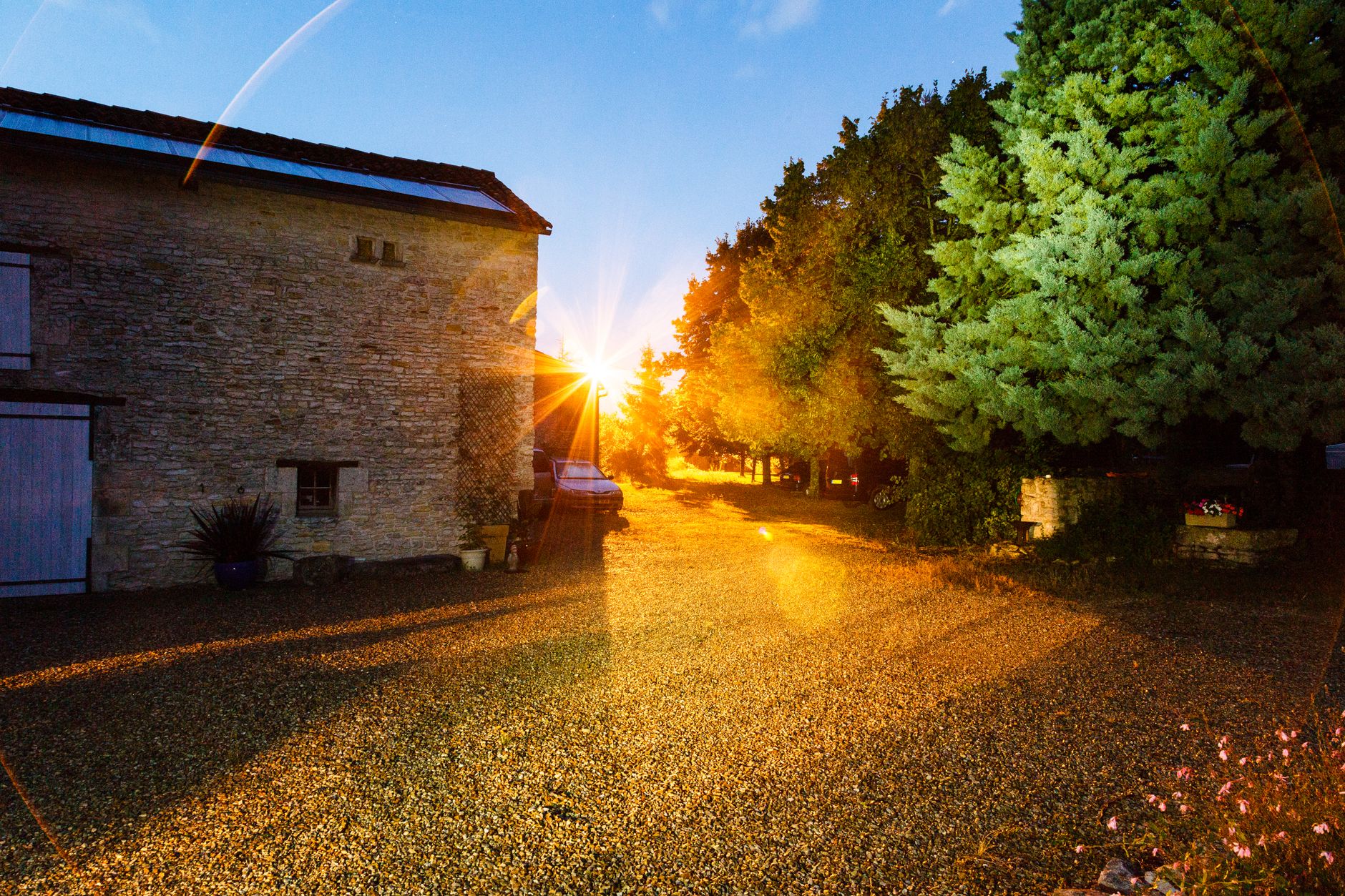
The Widow Across the Gravel Road
The night Owen asked
I would like to say that the boys never knew. For a while they did not. Then one Wednesday morning in late February, I came in at a quarter to eight and Mom was standing in the kitchen with the notepad.
“You’re paid up through last week,” she said. “This week will be one eighty on Friday.”
Owen was at the table eating Cheerios. He looked at her, then at me. He is seven and he does not miss anything.
In the truck on the way home, with the heater roaring and Sam asleep in his car seat, Owen said, “Mom, do you have to pay Grandma to love us?”
I pulled over. Right there on the shoulder of the county blacktop, with the hazards on and a grain truck going by so close it rocked us.
I turned around in my seat and took his hand. It was sticky. He had snuck a Pop-Tart from Grandma’s pantry, and I could not have cared less.
“Owen, look at me. Grandma loves you for free. She loves you more than she loves anybody. The money is a grown-up thing about her time and my work. It has nothing to do with you. Not one thing.”
“Okay,” he said. He did not sound sure.
“Not one thing,” I said again.
I drove the rest of the way home with both hands tight on the wheel. That was the morning I started looking, even though I did not know yet what I was looking for.
Across the gravel road
Our place is a little farmhouse on two acres that used to belong to a bigger farm. Across the gravel road, maybe a hundred and fifty yards from our mailbox to hers, is Arlene Voss.
Arlene was seventy-two that winter. Her husband, Harold, had died a year and a half before, in the fall, right after harvest. They had farmed that ground for forty-six years, and when he died she rented the crop ground to the Schmitt boys and kept the house, the barn, and about a dozen barn cats nobody could count.
We waved, the way neighbors wave. Travis plowed her lane with the blade on his pickup when he was home and the snow was deep. She sent over a loaf of zucchini bread every August whether we wanted it or not.
But I did not know her. Not really. Not until the ice storm.
It came through the second week of March. The power went out on our whole road for most of a day. I was home with the boys, it was not a work night, and by afternoon I saw Arlene out in her yard trying to drag a big limb off her back step by herself.
I bundled the boys up and walked them across. Owen helped me pull the limb. Sam stood at the edge of the yard watching three cats watch him from the barn door.
When we were done, Arlene asked us in. She had a woodstove in the kitchen, the old kind, and the house was warm when ours was not. She set out a plate of molasses cookies and poured the boys milk in jelly glasses.
“Harold put that stove in in 1979,” she said. “I told him we’d never need it. I have said a lot of things I was wrong about.”