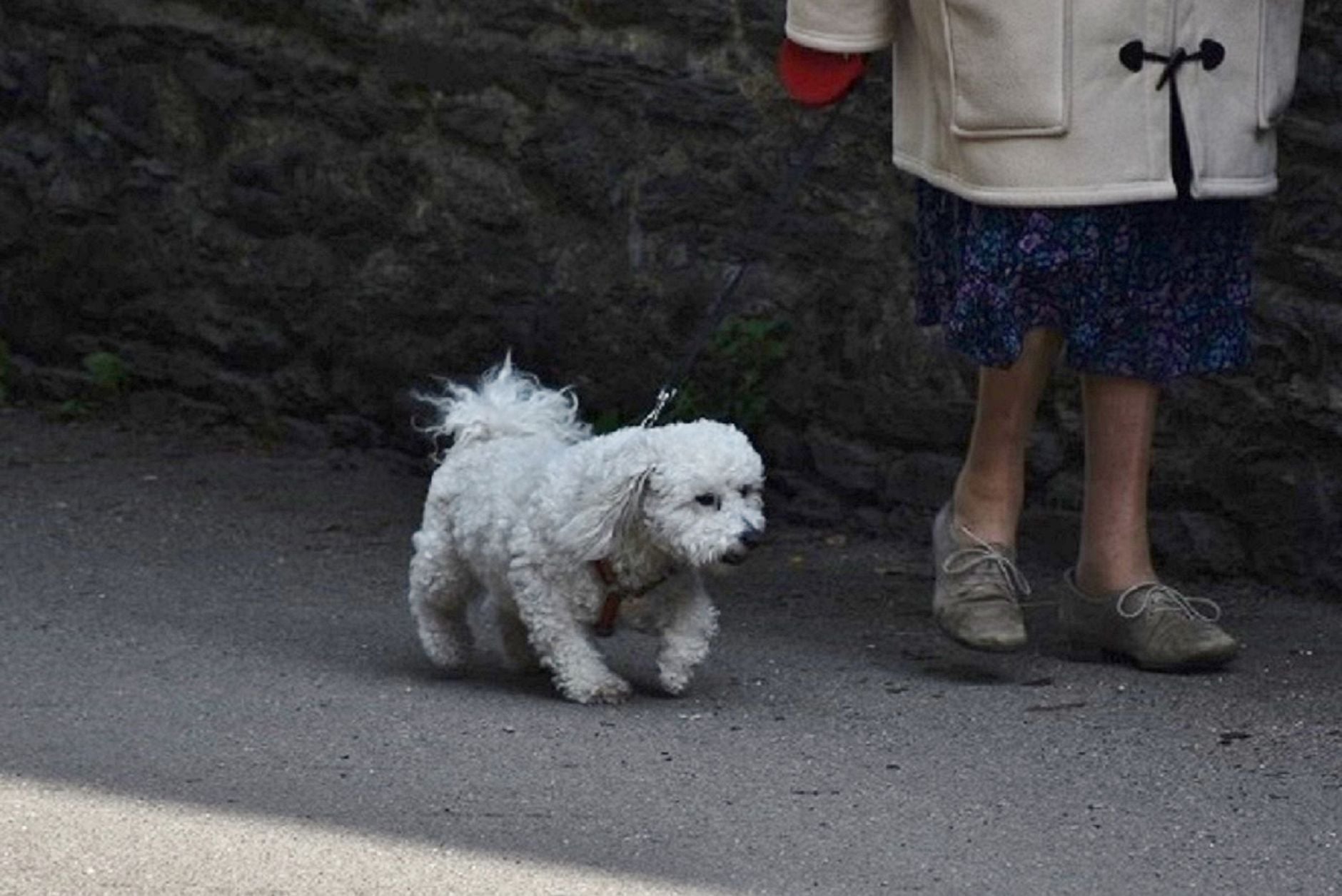
The Shoes in the Parking Lot
In October I bought a bag of real coffee and a new cup with no sunflowers. In November, reading glasses. I did not buy shoes. I took the old loafers to Hobbs Shoe Repair, where old Mr. Hobbs put a new sole on them for twenty-four dollars. The leather was thin, and my heels ached. But they were Clyde’s last gift to me, and I was not ready to walk away from them. Not yet.
One Friday in early December I parked at the far end of the Whistle Stop lot and crossed it on foot. When I looked up, Tyler was standing at the side door of the kitchen on his break, frowning at my feet. He was watching the way I limped.
I did not say anything. But the next Friday’s napkin said: Your shoes look like they hurt.
I wrote back on that Friday’s card: They do. I am working on it.
It was Tammy who changed things.
I had been going to the window for nine weeks when she showed up on a Friday night in the first week of December, in a nurse’s-aide uniform and a coat with a broken zipper, standing at the side of the drive-through lane in the cold. She was a tired, small woman, forty maybe, with her hair pinned up. I saw Tyler’s face change when he saw her, and I thought, oh no, I have gotten that boy in trouble.
She tapped on my window. I rolled it down.
“Are you Elva Prine?”
“I am.”
“I’m Tammy Dunn. Tyler’s mother.” Her hands were shaking a little, and I do not think it was from the cold. “I have to ask you something, and I’m sorry if it’s rude. Are you the one leaving my boy the cards?”
My heart went right down into my stomach. “I am. I hope I haven’t done anything wrong.”
“No, no.” She put a hand up to her mouth, fighting tears with everything she had. “I found them. He keeps them in a shoebox under his bed. I wasn’t snooping, I was putting laundry away. I thought somebody was paying him for something. I read them one by one. And he’s never spent a dime of it, Mrs. Prine. Twenty-seven dollars. Every bill, folded in the cards, just like you gave it.”
I did not know what to say.
“I asked him why,” she said. “He said it was your money, and you’d given it for a thank-you, not for spending. He said he’d know what it was for when it was time.” She laughed, and it came out wet. “He’s seventeen years old. I do not know where he gets it.”
“He gets it from you,” I said.
She cried then, standing in the cold at the side of a burger drive-through, and I got out of the car and put my arms around a woman I had never met. I held her the way I wished somebody had held me in January.
“I’m so sorry about your husband,” she said into my shoulder. “Tyler said you’d been walking around in shoes that were falling apart. He didn’t know why, but he knew it was about your husband. Everybody knew about your husband.”
“Mrs. Prine, I want to pay you back,” Tammy said. “I don’t have much. But I could make you a pie, or clean your house on a Saturday.”
“Tammy.” I took her by both hands. They were rough as sandpaper, and chapped, and warm. “You already did. You raised him.”