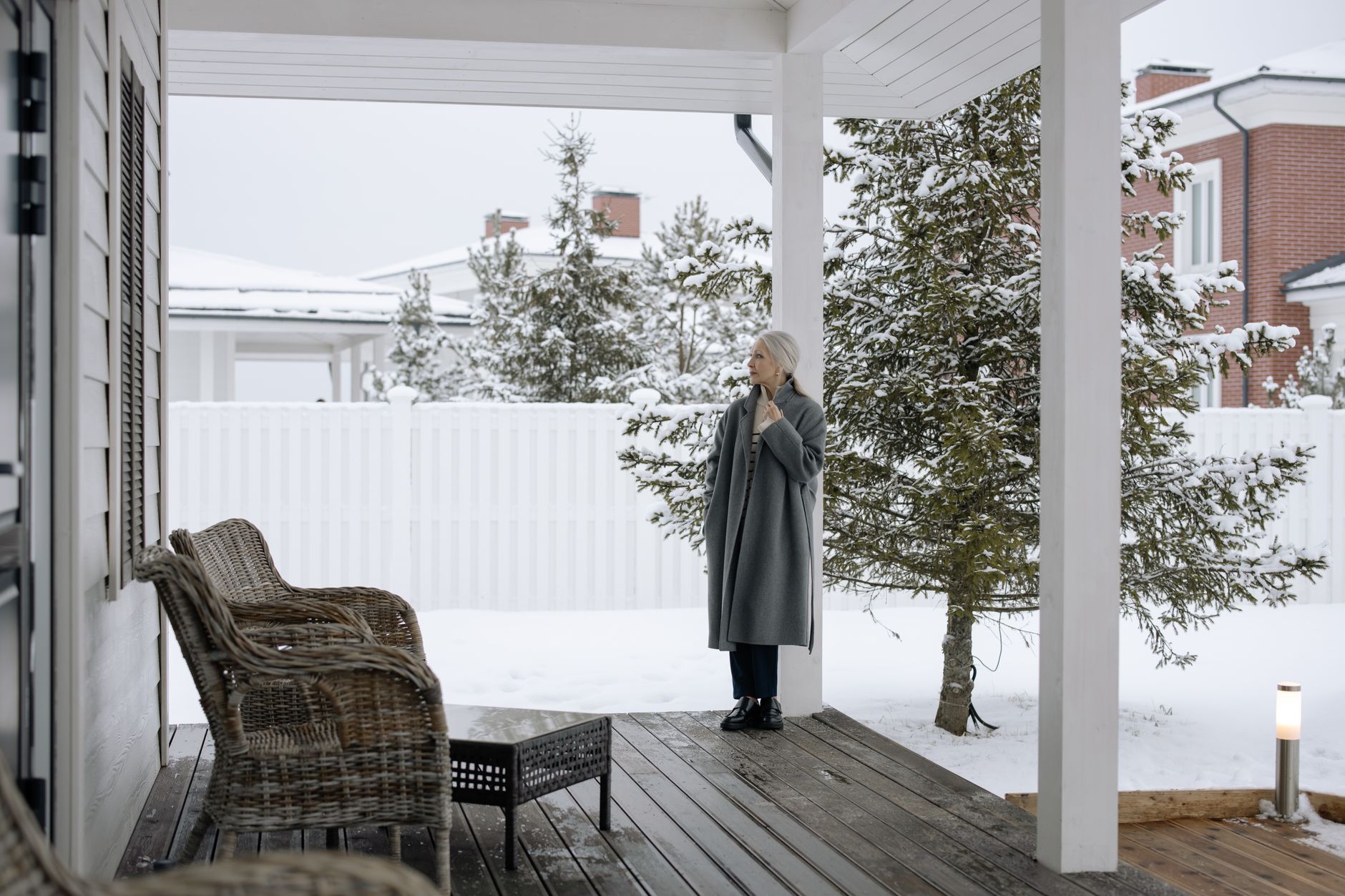
The Porch Wood The Contractor Took
Cal Brandt worked right alongside them. Nobody made him and nobody stopped him. He pulled the screws out of boards he had driven them into a month before, and he did not say much, and the men let him be there, which I think was its own kind of mercy.
By dark the whole stack was back in the beds of two pickups, stickered the way Walt had stickered it, and it rode home to my barn in a little parade down the county road.
Cal brought the nine thousand back on the Monday.
He came to my kitchen and he set a cashier’s check on the table and he slid it across to me without once looking up from the oilcloth. Nine thousand dollars even.
I did not thank him and I did not forgive him in that kitchen, because some things take longer than a Monday. But I took the check, and I told him I hoped he got himself square, and I meant it.
He has, I hear. He finished Roger’s new deck out of lumber he paid for, and he is down to two jobs at a time now, and Dewey says he pays his crew on Fridays. People can get square. That is most of why I am telling you this with no bitterness left.
He sent me a card at Christmas. No money in it, because the money was already paid, and no long speech. Just three words under his name. I am sorry.
I keep it in the drawer with Walt’s ledger. Not because I needed the apology, but because a man who can write those three words plain, with nothing to gain, is a man worth the second chance Roger gave him.
Now the porch.
Those same old men came back the next Saturday, and the one after, and they built me my porch out of Walt’s oak.
Lon Petrie ran the saw, because Lon is the only one of them Walt would have trusted with his wood. Harlan set the rail. The county road boys laid the deck.
They would not take a dollar for the labor. I tried. Lon put his shaking hand over mine on the checkbook and said, Nadine, you cannot pay a man for the privilege, and that was the end of it. I bought the screws and I fed them lunch, and that was all they would allow.
They worked the way Walt worked, slow and sure, measuring twice. More than once a man stopped to run his thumb along a board and tell me which part of our place it must have come off.
Harlan said the grain in one wide piece looked like water, and I told him Walt had said the very same thing the night he cut it. Harlan had to go stand by his truck a minute after that.