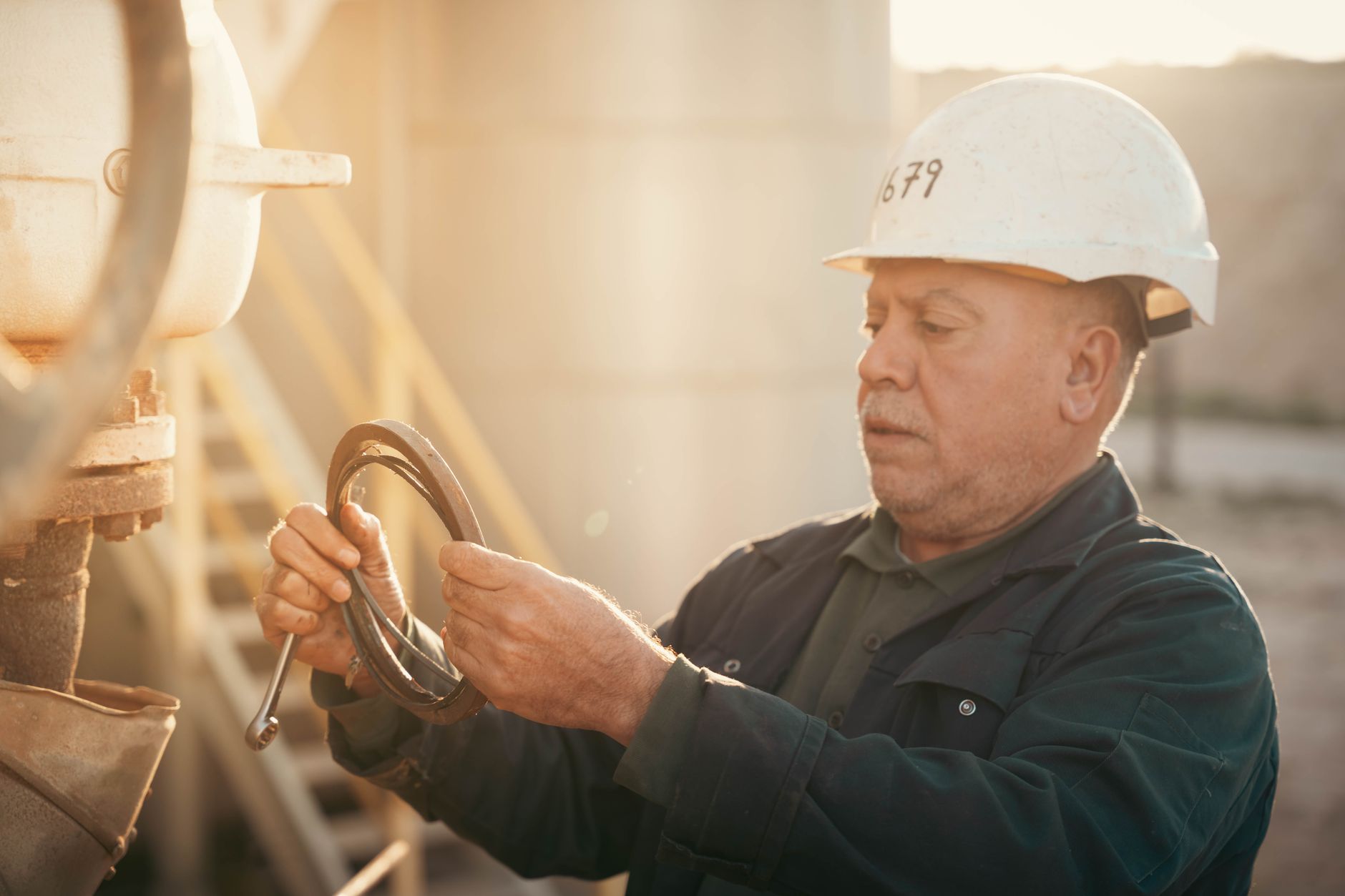
The Morning the Whole Plant Stood Outside
He slid a second paper across the desk with two fingers. “A separation agreement. 4 weeks’ pay. Your insurance runs to the end of the month. The file says you resigned, so it won’t follow you.” He uncapped a pen and held it out already, the way you hold a pen out to somebody you expect to take it. “It’s a fair offer under the circumstances.”
“4 weeks,” I said. “For 20 years.”
“Dwayne.”
“I gave a man a kidney, Gordon. The days you’re counting were the days they had me in a bed.”
“I understand the policy doesn’t have a line for it.” He said it quietly, and that was the worst part. He was not angry. He sounded like a man reading a weather report.
“I want Lou in here,” I said.
“Lou is in Kentucky burying his brother. Policy does not need him for a separation offer. The alternate steward works second shift.”
“Then I am not signing anything without him.”
He capped the pen slowly.
I have thought since about what he was betting on. A man 8 weeks out of surgery, with two kids and a short paycheck, would sign. A hurt man wants it over.
“I’m not going to sign that,” I said. “And I’m not going to stand here and ask you for my job. I don’t beg for things I’ve already paid for.”
“Then I’ll need your badge and your keys.”
I put them on the desk.
“Benny will walk you out,” Keasey said. “Policy.”
Benny opened the door. I took the cardboard box he had set on the chair, my thermos and my father’s old Starrett calipers and my hard hat, and I walked out onto the plant floor.
A stamping plant at ten to six in the morning smells like press oil, hot steel and burnt coffee. The 10-ton crane sat parked high in the bay over the press line, and a forklift idled by the dock door. And at the end of aisle 3, by the time clock, the whole first shift stands in a rough half circle for the safety huddle, 62 men and women in steel-toes, safety glasses and hard hats, holding their cups.
We had to walk straight through them to get to the lot.
Benny walked a step behind me, the way the policy said. About 10 feet from the crowd it came to me that there was no way through that room without saying something.
So I stopped, and I turned around, and I set the box on the nearest bench.
“Morning,” I said. “I’ll be quick.”
The talking stopped. Somebody’s thermos lid rolled across the floor and nobody reached for it.
“Some of you know I’ve been out. In August I gave Sal Ferro one of my kidneys. The company says my time off was never approved, so I’m done here as of this morning. That’s all of it. I’m not telling you whether that’s right or wrong. I just didn’t want you to hear it secondhand.”
Nobody moved.
“Run safe,” I said. “The guard sensor on press 4 sticks. Somebody tell Cody before he trusts it.”
A few of the older men almost laughed, the way you do when you’re about to cry.
“One more thing, and I mean it. Don’t do anything for me. Please. You’ve got families and you’ve got a mortgage like I do. Go to work.”
I picked up the box. Lou Brandt, our union steward, wasn’t there to say a word. I have never decided whether Keasey counted on that or whether it was only bad luck.
At the truck, Benny finally spoke.