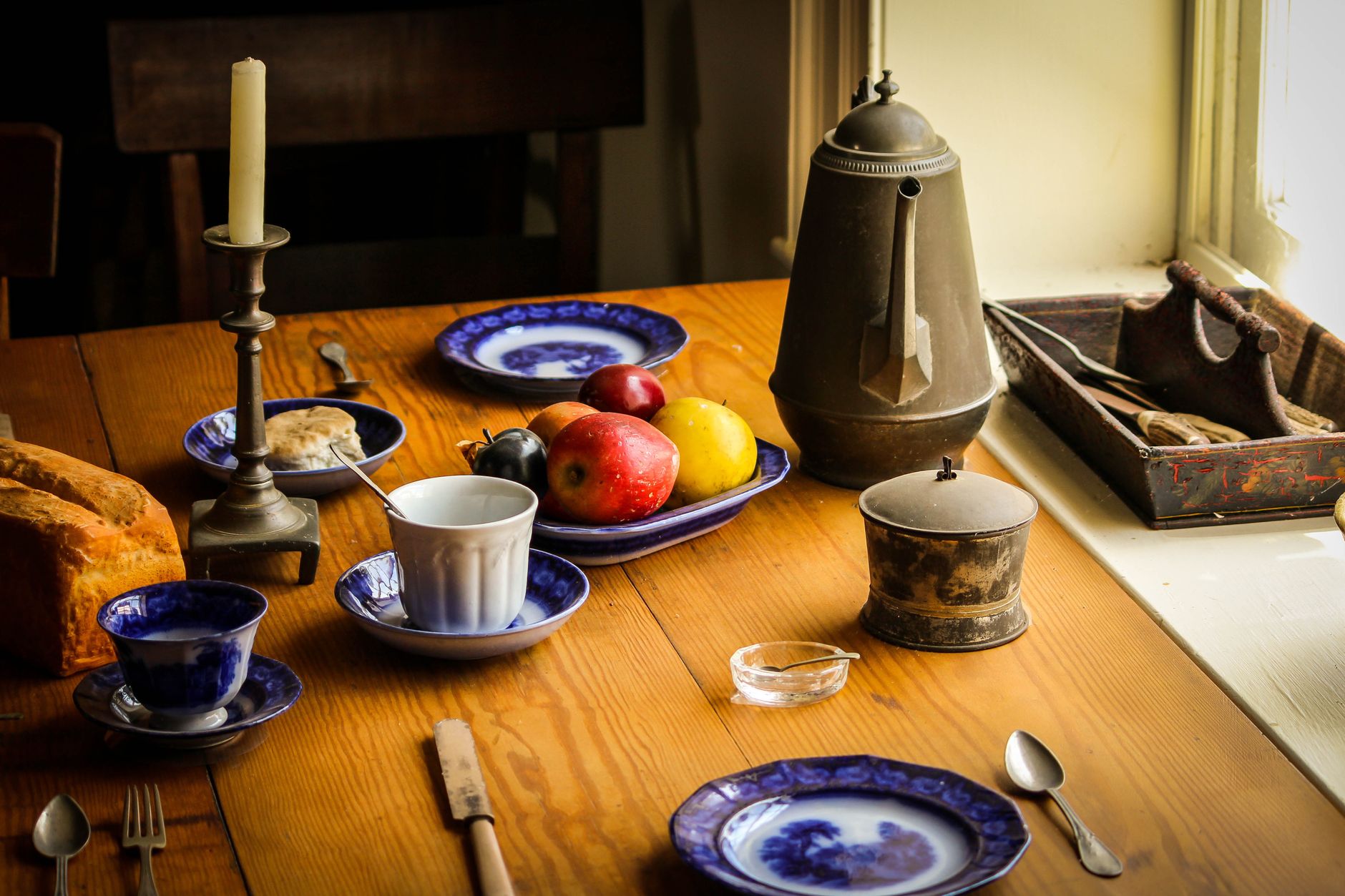
The Checkbook on Grandma’s Kitchen Table
My mother called from Arizona at nine that night, after I had texted her. She was crying and furious and she wanted the sheriff at the house within the hour. I did not blame her.
Grandma held out her hand for my phone. “Gail,” she said into it. “I changed your diapers. I’ll handle my own kitchen.” Then she listened for a while. “Yes. Yes. I know. I love you too. Go to bed.”
She handed it back. Mom texted me a minute later: She wins. But I’m flying home in March and I am not arguing about it.
Nate slept in my grandfather’s old recliner every night from Thursday to Monday. On Friday and Monday he went in to work late so he could be in the yard, splitting kindling, when Sandy’s car came up the lane at eight.
He said she waved at him like always. He said he waved back, because Grandma had told him to.
I spent those days at school, teaching borrowing across zeros, and lying awake at night thinking about Sandy Kuehl.
She had come to us three years before, when Grandma’s doctor said five mornings a week or the care center. Grandma picked the five mornings.
The agency sent Sandy. She was forty-nine then, divorced a long time, raising a teenage daughter named Ashley by herself in a rental house in town.
Sandy was not soft-spoken and she was not fancy. She drove an old maroon Impala with a hood that did not match.
She laughed loud. She called my grandmother Evelyn from the first day, and Grandma, who did not let the pastor call her Evelyn, let her.
In the winter Sandy shoveled the back steps before she ever knocked, so Grandma would not try to do it. She drove Grandma to the eye doctor in Oelwein and to get her hair set on Fridays.
She learned that Grandma liked her eggs over hard and her coffee strong enough to float a horseshoe.
At Christmas she brought a tin of scotcheroos and sat at that same kitchen table and helped Grandma address sixty-one cards, because Grandma’s hand had gotten too shaky to do the envelopes.
Sixty-one. I had counted them in the box.
We gave her the garage code. We gave her a key. She knew which pills went in which square of the organizer and which drawer the spare checks were in.
We trusted her with everything we had, which was Grandma.
I knew, sort of, that Ashley had some trouble the year before. You hear things in a small town. A car in the ditch.
A girl who stopped showing up at the Casey’s where she worked. I had not asked. It had not seemed like my business.
On Tuesday morning I was up at five-thirty. I had called in a personal day and written sub plans until midnight.
Nate kissed me in the farmhouse kitchen at seven, already in his work shirt.
“I’ll be at the shop,” he said. “Ten minutes. Phone’s in my pocket. You need me, you call, I don’t care what she says.”
“Grandma said no men at the table,” I said.
“Your grandma said I’d make her cry before she was ready for her to,” he said. “I heard her. I’m going.” He kissed the top of Grandma’s head on his way out. She swatted at him and smiled.
At 7:45 I plugged in the old electric percolator, the one with the glass knob on the lid that I used to watch for the coffee to jump in when I was little.
The kitchen was still dim. Outside, the fields were gray, and the snow had a hard crust on it along the cedar windbreak.