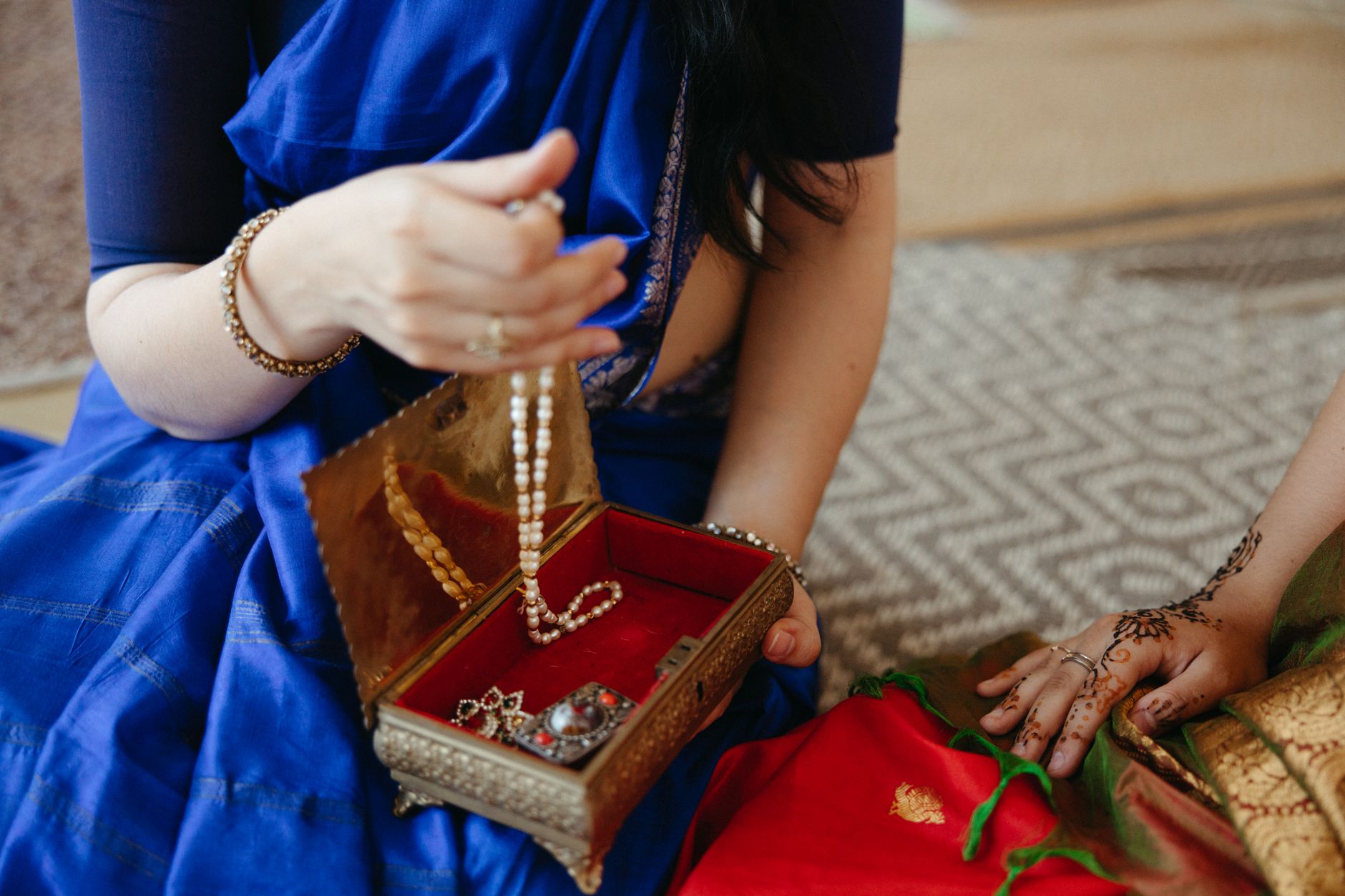
The Pearls At My Mothers Visitation
“Dorothy had one thing of real value to her name. A little strand of pearls her own mother had left her, nothing extravagant, just a plain strand, but it had been her mother’s, and her mother had died when Dorothy was only nineteen, so those pearls were about all she had left of her. She took them into town without telling Raymond and sold them to a man who bought estate jewelry out of the back room of the drugstore, and she came home with just enough money for that roofer’s deposit, and she never said one word to her husband about where it came from. She told him she’d found some money tucked in her mother’s old Bible, which was a lie, but it was the kind of lie a proud young wife tells so her husband won’t feel like a failure for not being able to keep rain off his own child.”
Someone, I think it was Danny’s oldest boy, had stopped running through the hallway and was standing in the doorway now, listening too.
“Raymond found out anyway,” Pauline went on. “Not that week. Not that year. Nearly a year later, he was fetching Dorothy’s good coat for her out of the closet before church, and a pawn ticket fell out of the coat pocket onto the floor, and he picked it up and understood exactly what it was, because he knew every piece of jewelry his wife owned. He never said a word to her about it. Not one word, not ever, not for all the years I knew them both. But he told me, years later, that he stood in that closet holding that little slip of paper and made himself a promise. He was going to put pearls back around his wife’s neck one day, better ones than the ones she sold to patch a roof over his baby’s crib, and he was going to do it with his own money, earned clean, and he was never going to tell her he knew, because knowing would have taken something away from what she’d done, and he didn’t want to take one thing away from her.”
Pauline looked at Stephanie now, directly, not unkindly. “It took him close to forty years to make good on that promise to himself. Two years of Saturday overtime at that parts counter, every week, setting a little aside, until he had enough to drive up to Columbia and buy a strand of real cultured pearls, the kind you don’t find at any store in this county. He picked them out himself. The jeweler told him what he was paying for, taught him the difference between real and glass, and Raymond paid every dollar in cash he’d saved, four hundred and sixty of it, and had the man engrave the inside of the box lid before he left the store.”