The Coffee Can My Aunt Took
She told me she said yes because Carol is her daughter and because the house does sit back off the road where she cannot see a car coming until it is already in the yard, and because some small frightened part of her, the part that has lived alone since Earl died fifteen years ago, thought maybe Carol was right.
Carol took the can home that Sunday afternoon. She did not bring it back the next Sunday. She did not come to dinner the Sunday after that, said she had a headache. The Sunday after that she came for twenty minutes, ate standing up at the counter, and left before the coffee was poured. Five Sundays, and the can had not come home, and Carol had stopped meeting her mother’s eyes when she talked.
“Did you ask her for it?” I said.
“I asked her last Sunday, the twenty minutes she was here. I said, Carol, I’d like my can back. And she said, Mama, it’s complicated, and then she looked at her phone and said she had to go start supper for Dwayne.”
“Complicated how?”
“She didn’t say. She just left.”
I did not grow up thinking my aunt Carol was a woman who would do something like this. I want to be honest about that, because it would be easy to make her into a villain from the first page and never let her be a person, and that is not how this went, not even in my own head sitting at that table hearing it. Carol raised two boys mostly on her own in the years her husband Dwayne worked second shift at the carpet plant over in the next county, and she has brought a dish to every funeral in three churches since I can remember, and she sat up all night with my mother in the hospital the week before my mother died, three years ago this October, holding her hand so I could go home and sleep. Carol is not a villain. Carol is a woman who did a hard, ugly thing to her own mother, and both of those facts are true at the same time, and I had to sit with both of them before I could decide what to do.
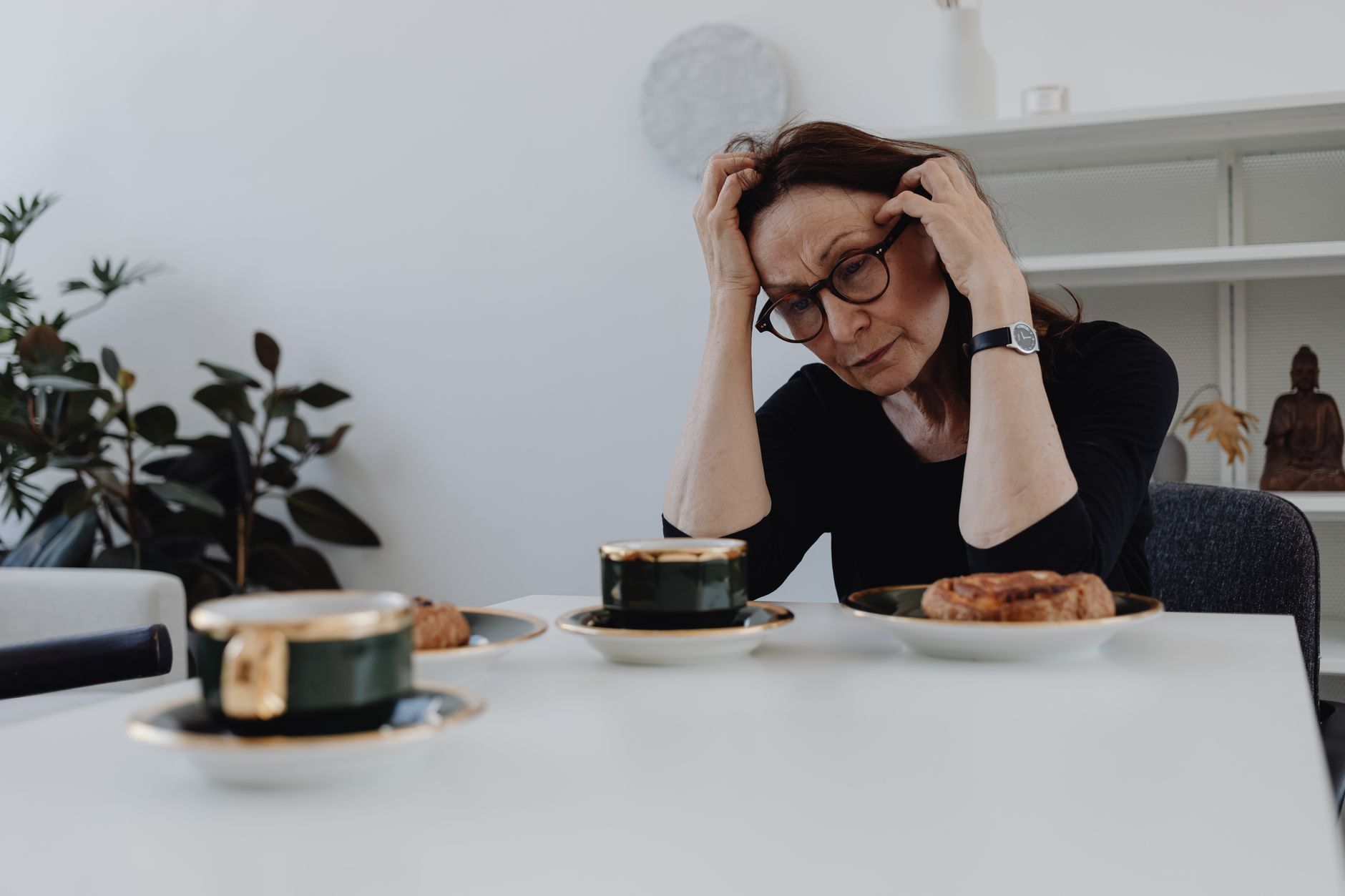
What I could not sit with was the look on my grandmother’s face. Mabel is the kind of woman who has buried a husband and a daughter and never once, in my hearing, raised her voice about either loss. She manages her grief the way she manages everything, quietly, with her hands busy. But when she told me about the can, her hands were not busy. They were folded still on that pew table, and there was a tightness around her mouth I had seen exactly twice before in my life, once when my grandfather’s casket came through the church doors, and once when the hospice nurse told her my mother had maybe a week left.
“Mamaw,” I said. “Why didn’t you call me the first week?”