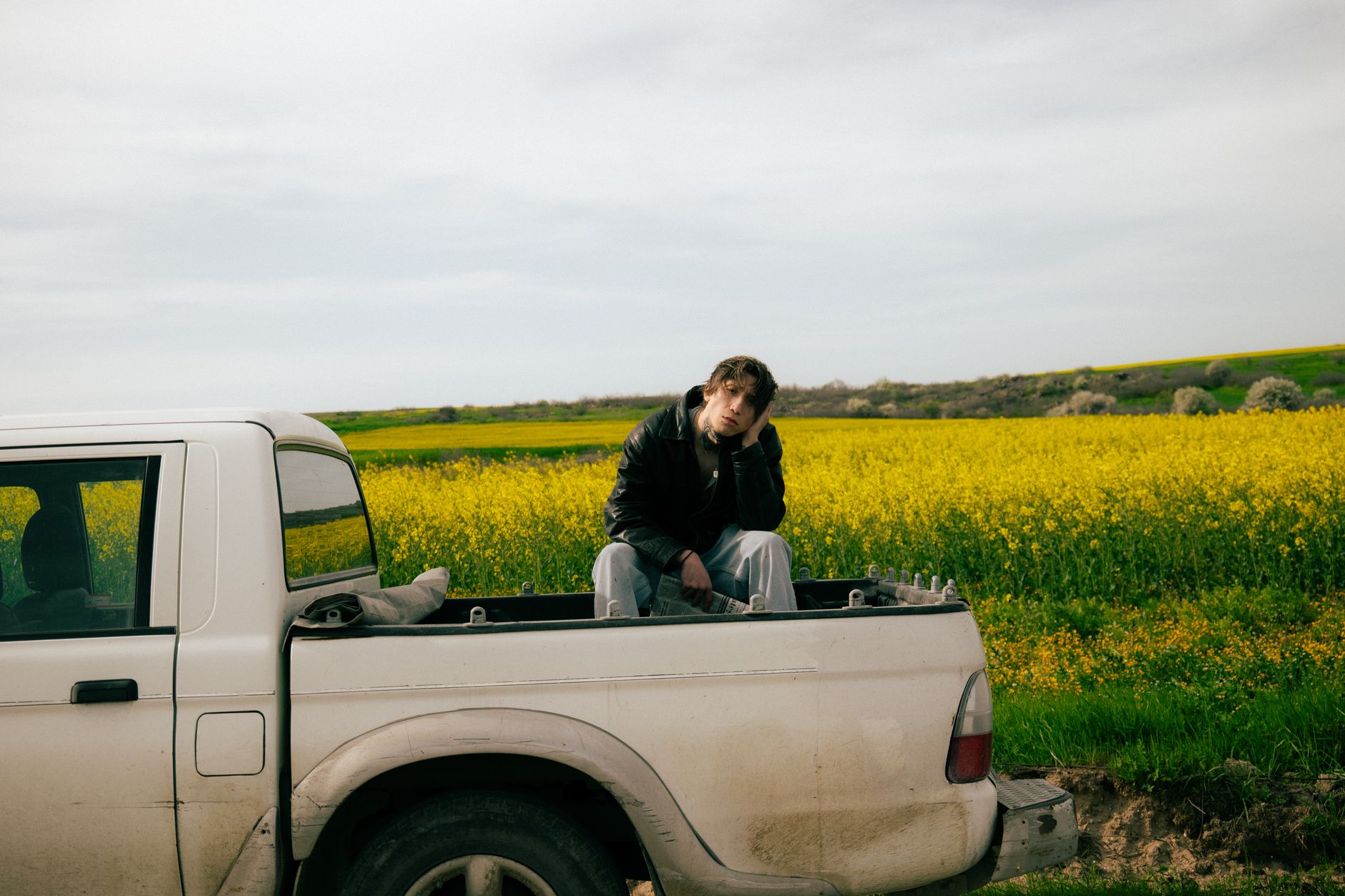
The Truck My Brother Sold For Scrap
I had not known that. I knew Dad quit driving. I had been told he decided to.
“He didn’t speak to me for three weeks. We worked side by side every day and he would not say one word. He’d hand me a wrench without looking at me.” He swallowed. “Then one morning he just started talking again like nothing had happened, and we never went back to it. Not once. Two years. And every day I walked in this shed, that fender was sitting right here looking at me.”
“Rick.”
“He would come out here and sit in it. You didn’t know that either. Evenings. He’d sit in a truck that didn’t run, with the door open. I’d see him from the house and I’d think, I did that. I’m the reason he’s sitting out there in the dark.” He finally looked at me. “So Monday I came in here to see about the planter, and there it was with his cap on the dash, and I thought, I can’t. I can’t do thirty more years of this. I called Lyle’s before I could think better of it. I told myself it was the bay I needed.”
“You could have told me that.”
“I can’t hardly tell it to you now.”
That was fair. We are not people who say things. We came by it honest.
“I’m not sorry I went and got it,” I said. I said it quiet, but I wanted it said. “And I’ll tell you something else. You don’t get to decide by yourself what of his gets thrown away. Not the truck, not his tools, not a coffee cup. You have carried this place and I know it. But he was mine too.”
He took that. He nodded at the fender.
“That’s right,” he said. “He was. Nothing else leaves here unless we both say.”
“Uncle Rick?”
Josie had gotten down out of the cab. She had one ticket in her hand, held by the edges.
“This one has your name on it,” she said. “It’s a new one. It’s from this year.”
He didn’t take it at first, so she held it up for him.
It was the ticket for the seed wheat, dated the second week of September, eight weeks before he died. The pencil on the back was shakier than the others, and bigger, the way a man writes when he can’t see the line.
“Rick was right about the keys. Knew it that day. Too stubborn to say so. Tell him.”
And under that, like he had sat there a while longer:
“He is a better farmer than I was. Tell him that too.”
My brother read it standing up. Then he slid down the fender until he was sitting on the cold concrete with his back against the tire and that yellow ticket in both hands, and he cried like I had not seen him cry since he was a boy, and maybe not then.
Josie sat right down beside him. She didn’t ask anybody whether she should. She put her head on his arm.
I sat down on his other side. The three of us stayed there against Dad’s truck until the sun got under the shed door and shone in on our boots.
It was Rick who brought up the money.
We had gone in the house and warmed up the cheesy potatoes. He took the deposit slip out of his shirt pocket and laid it on the table again, right where he had pushed it at me that morning.