The Man I Let Go Before Christmas
Earl Dobbs was standing on my front step.
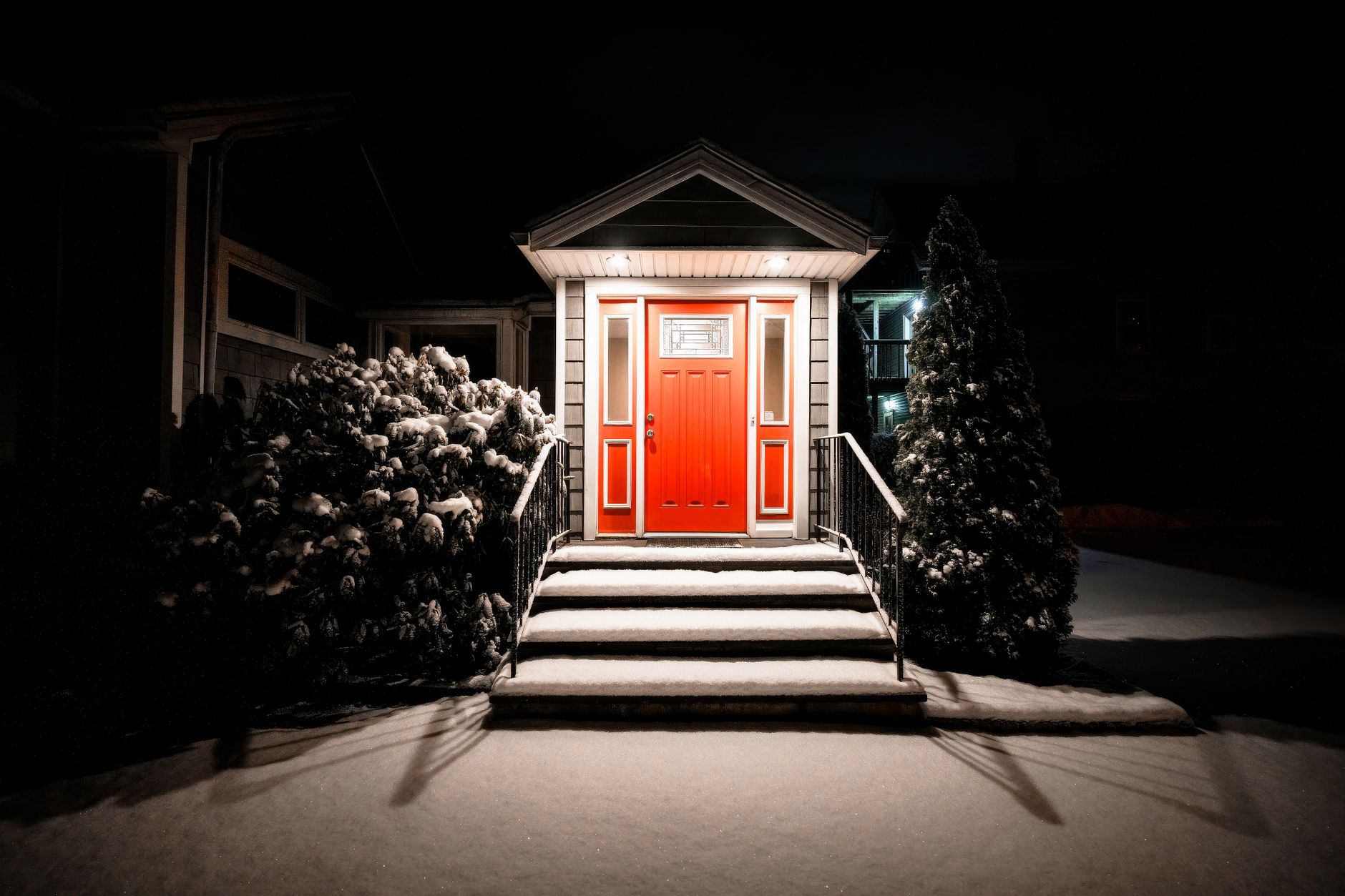
It was near dark and snowing a little, that fine dry snow that does not seem to come down so much as hang. The porch light was on him. He had on the tan canvas work coat he wore to the plant every winter, with the corduroy collar gone shiny, and a gray knit cap. His old pickup was at the curb with its parking lights on.
He was holding a glass baking dish in both gloves, with foil crimped over the top.
I thought he had come to say to my face what he had not said in my office. I thought, all right. You have it coming.
“Rob,” he said. He nodded at Paige. “Miss.”
“Earl.”
“Heard about your wife down at the Legion, Monday. Kim’s husband said.” He shifted the dish a little. “Figured the two of you weren’t doing much cooking.”
He held it out, and I took it. It was heavy, and cold from the ride over.
“Scalloped potatoes,” Earl said. “There’s ham in it. Three fifty, about an hour. Leave the foil on till the last ten minutes or the top’ll go hard.”
“It’s Jean’s,” he said. “Her recipe. I can’t promise I got it right. She never measured the milk.”
Jean was his wife. She had been gone three years that October.
“Earl. About the plant.”
He shook his head. One time, not hard. He was not angry. I have gone over that face a thousand times looking for the anger, because it would have been easier on me, and it was not there. He just was not going to talk about that on my front step on Christmas Eve with my little girl standing there. He set it aside the way you set a wrench down on the bench when you need both hands for something else.
“She up on four?” he asked.
“Yes sir. Four.”
He nodded slowly, like a man who knew exactly which hallway.
“Thought so. That’s where they put the bellies.” Then he reached into the big side pocket of that canvas coat, and brought out a pint canning jar with a zinc lid.
It was full to the shoulder with quarters.
“You’ll need this up there,” Earl said. “Machines don’t take bills. Never have. Jean was on four for five weeks and I don’t believe that card on the slot was new then.” He held the jar out to Paige, not to me. “There’s a hot chocolate button on the pop machine, third one down. It’s not marked. It comes out better than the coffee.”
Paige took the jar in both hands. It rattled.
“Thank you,” she said.
“You’re welcome.” He looked at me again. “You tell Missy we’re praying for her at Trinity.”
“I will.”
“Dish is no hurry.”
And he turned around and went down my steps, holding the rail, and got in his truck. He let it idle a minute. Then he pulled away slow, and his tail lights went down to the stop sign and turned toward the east side.
I stood in the open door until Paige said, “Dad, you’re letting the heat out.”
I carried the dish to the kitchen and set it on the stove. My hands were not steady. When I lifted it to get the oven rack right, I saw the bottom.
There was a strip of masking tape on the glass, gone brown and brittle at the edges from years of washings. On it, in blue ballpoint, in a woman’s round careful hand, was one word.