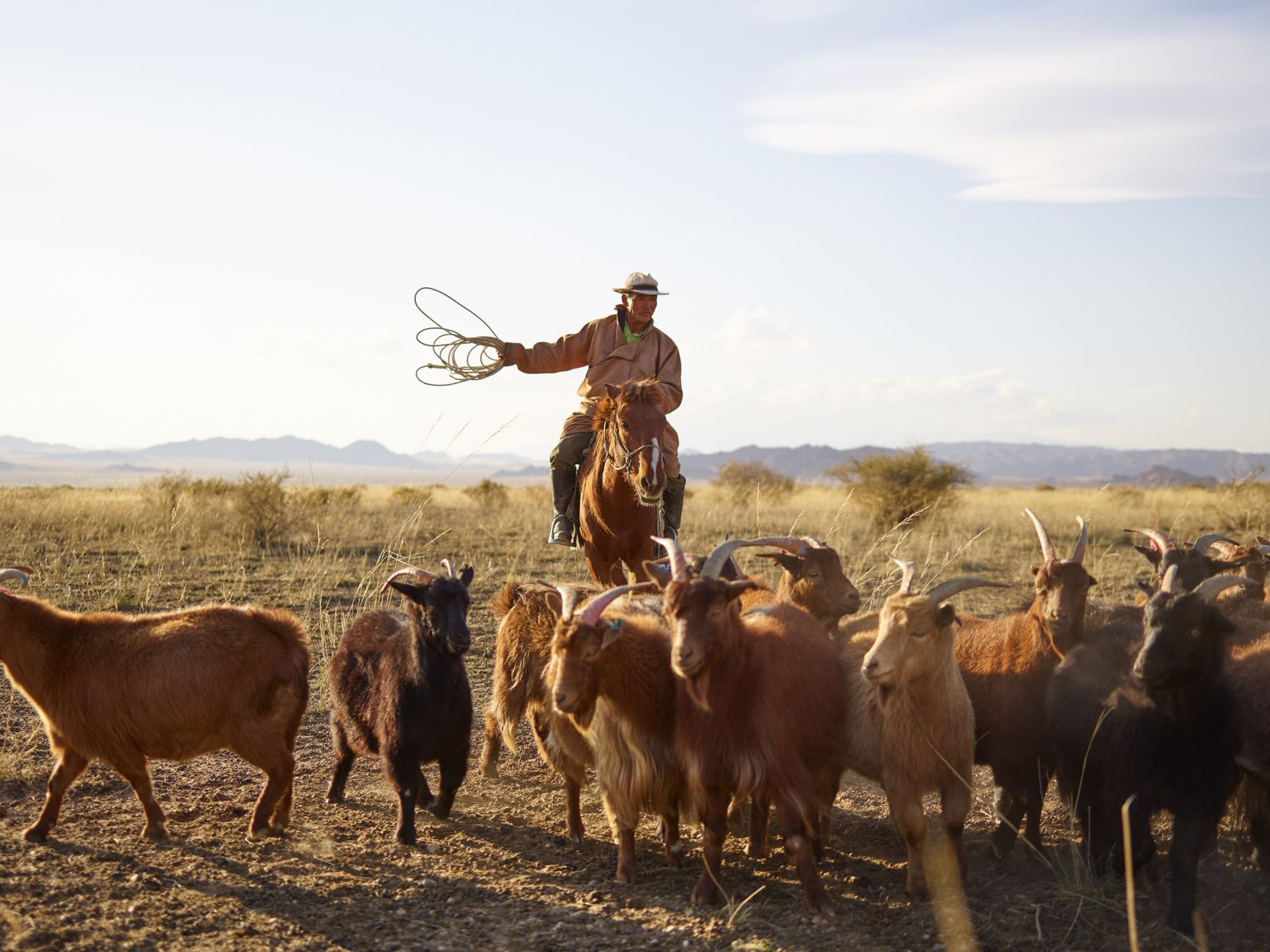
Eleven Heifers on the West Eighty
Then I set my line three feet west of it, on my own side, the whole way down. I did not want any man alive to be able to say I had taken an inch.
Matt was sixteen that spring. He ran the post driver until his arms shook, and then I ran it. Deb drove the pickup along the line and handed down posts.
Flint Hills ground is rock with a little dirt on it for manners. About every fourth post hit limestone eight inches down and rang like a bell. You either start a hole with a rock bar or you move a foot and try again. We did a good deal of both.
The second Saturday, an old flatbed pickup came down the township road at about ten miles an hour and stopped at the gate.
It was Walt. He is eighty-one and has lived across the road from that pasture since before Dad bought it. He got out with a wire stretcher and a thermos and worked beside us until four o’clock, and he never once said my brother’s name. When we stopped for water, he nodded at the tall hedge post on the north side.
“Your dad set that the summer you were ten and Russ was sixteen,” he said. “I was helping him fix water gap. I asked him what he wanted with a post that size in the middle of a run.”
“What did he say?”
Walt screwed the cup back on his thermos.
“He said, so they’ll know where to start.”
I had to walk off down the line a ways and look at some wire that did not need looking at.
We tied off the last strand the third Sunday at dusk. Five wires, tight enough to sing when you flicked them. Then I hung the gate, right in the middle of the run.
Matt asked me why we needed a gate at all, if the whole point was to split it.
“A fence without a gate is a fight,” I told him. “A fence with a gate is just a fence.”
The first of May, I was at the sale barn at five in the morning.
My stock trailer is a sixteen-footer, so it took two trips. Six heifers the first load, five the second, eleven miles each way.
I backed up to my own wire gap on the west side at first light and swung the trailer gate.
They came off careful, heads low, blowing at the ground. Then the first one got a mouthful of that new grass coming up through the burn, and the rest quit worrying.
By a quarter to seven all eleven were out. Red hides on green hills, the sun just clearing the ridge, a meadowlark going on a post. I leaned on my new fence with the pliers still in my hand and watched them walk down toward Dad’s pond.
I would like to say I felt like a winner. I felt like a man who had spent his roof.
At ten after seven, two pickups pulling gooseneck trailers turned onto the township road.
He was twenty-six, lean, with a wife and a little girl and a note at the bank on every animal he owned. Six springs he had turned cattle out on my grass, and I had never once driven out to introduce myself. I am not proud of that.
He stopped at the main gate, same as every year. Then he saw the fence.