The Key My Husband Forgot I Had
“For what?”
“For being clear.” I stood and put my purse on my shoulder. “I wish you both well. I mean that. Tiffany, the lotion is nice. Is that the one from the drugstore?”
“It is,” she said, surprised. “The one in the brown bottle.”
“I thought so.”
I walked out past the bailiff, who had bought a snow shovel from me every November for fifteen years, and he held the door and did not say a word, because there was not a word to say.
In the parking lot I sat in my Buick with both hands on the wheel. I did not cry. I had done my crying in March, on the floor of the stockroom, the night Wayne came in after closing and held out his palm for my ring of keys.
Front door. Office. Safe. The padlock on the lumber gate out back. His attorney had counted them into an envelope the next week and written the number on the flap.
Nobody had counted the one on my car keys.
It was right there, hanging under the steering column, knocking against the Buick key the way it had knocked against every car key I had owned since 1999. One brass key, worn as smooth as a creek rock.
I started the car and drove to the square.
Bellamy is the seat of Tolliver County, and if you have ever been through central Kentucky you have been through a town just like it. There is a limestone courthouse in the middle with a clock that runs four minutes slow. There is a bank, a drugstore, a diner that does a hot brown on Thursdays, and a Baptist church at one corner and a Methodist church at the other, keeping an eye on each other. Out past the city limits it is tobacco barns and cattle and black plank fence, and when the wind is right you can smell the bourbon aging in the rickhouses over on the Lincoln County line.
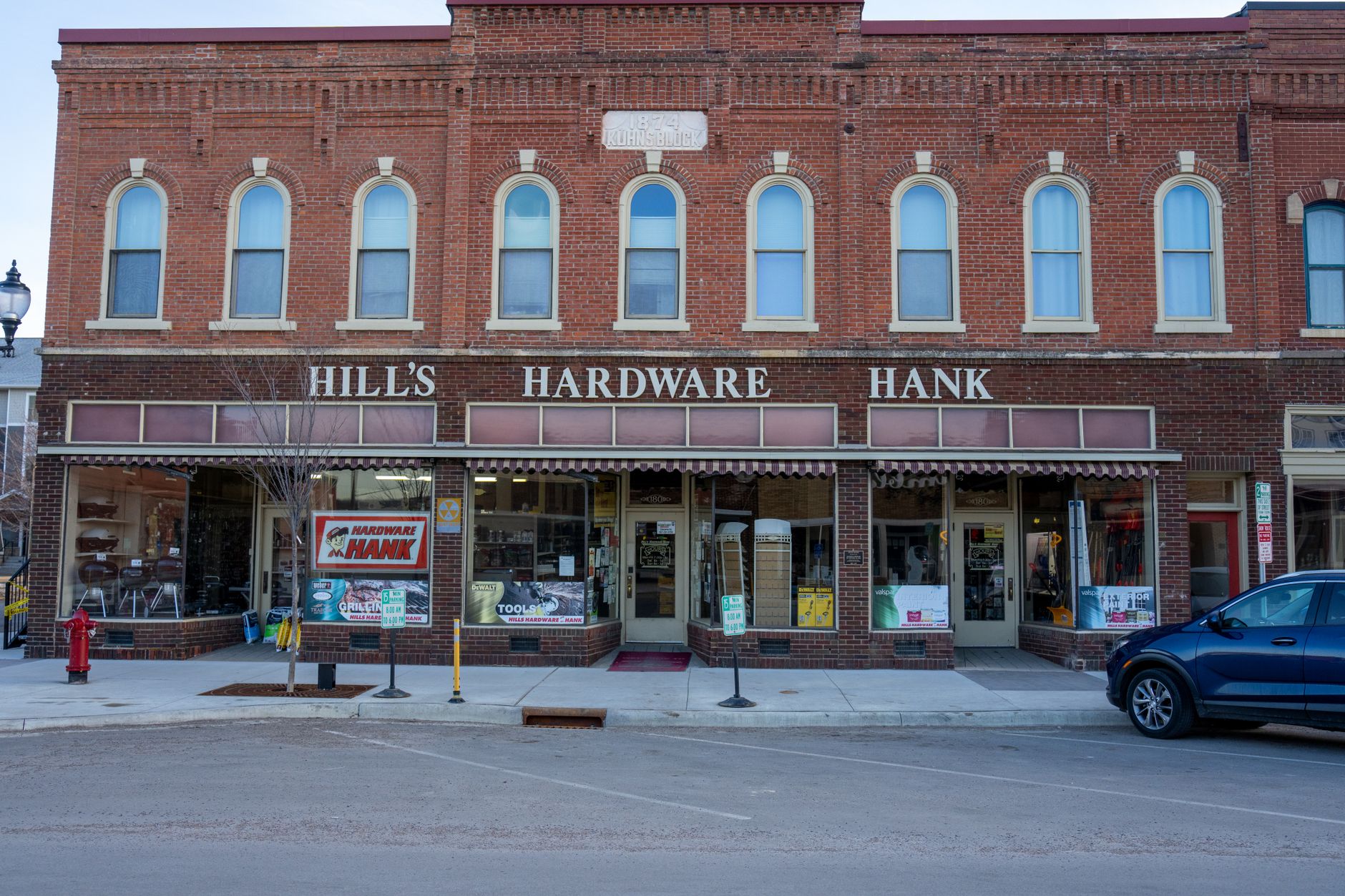
On the north side of the square is Crandall Hardware. It has been there since 1946. Three stories of red brick, a tin ceiling, a rolling ladder, and oak floors that dip in front of the nail bins where four generations of farmers have stood shifting their weight.
Wayne’s daddy, Earl, hired me the summer I was twenty-four. I had come in to buy a mailbox post and stayed forty minutes arguing with him about the right way to set one. He said any girl who would fight an old man over concrete ought to be on the payroll. I married his son the next spring.
Earl was the one who gave me the key.
It was my first morning opening by myself. He was already sick by then, though none of us were saying it. He came down at 6:15 in his cardigan and pressed that key into my palm and closed my fingers over it with both his hands.
“Don’t you ever give this back,” he said. “Not to me, not to that boy of mine, not to anybody.”
“It’s your store, Mr. Crandall.”
“A store is whoever opens it, Paula. The rest is just brick.”
He died that October. Wayne inherited the name, the building and the trust. I inherited the mornings.
For twenty-six years I was there at 6:30, because that is when the farmers come, and the plumbers, and the men who have to be on a roof by seven. Wayne came in around ten, when he came in. In the good months he was on the golf course at the country club by one. In the bad months he was there by noon.
Great story! Loved the way Paula didn’t give up!