What Mom Left in the Cedar Box
“I never said because a present you get thanked for is half a trade, and I didn’t want to trade. I didn’t want you looking at me across the table at Christmas like you owed me. You don’t owe me. You married my son when you were nineteen years old in a yellow dress, and you gave me Kyle, and you have worked on your feet your whole life. You’re prickly, Tina. I’m prickly too. Two prickly women in one family is one too many, and I always figured that’s why you kept your distance, and I let you keep it. That’s my fault as much as yours.
“But I’ll not go to my grave letting you think nobody ever did for you. That’s a lonesome thing to believe, and it isn’t so. Somebody did for you. It was me. I wanted to, and I’d do it again this afternoon.”
Tina made no sound at all. I was standing behind Mom’s chair where I could see her face, and I watched it happen. It was not like watching somebody get caught. It was like watching somebody set down something heavy she had been carrying so long she’d forgotten it was not part of her.
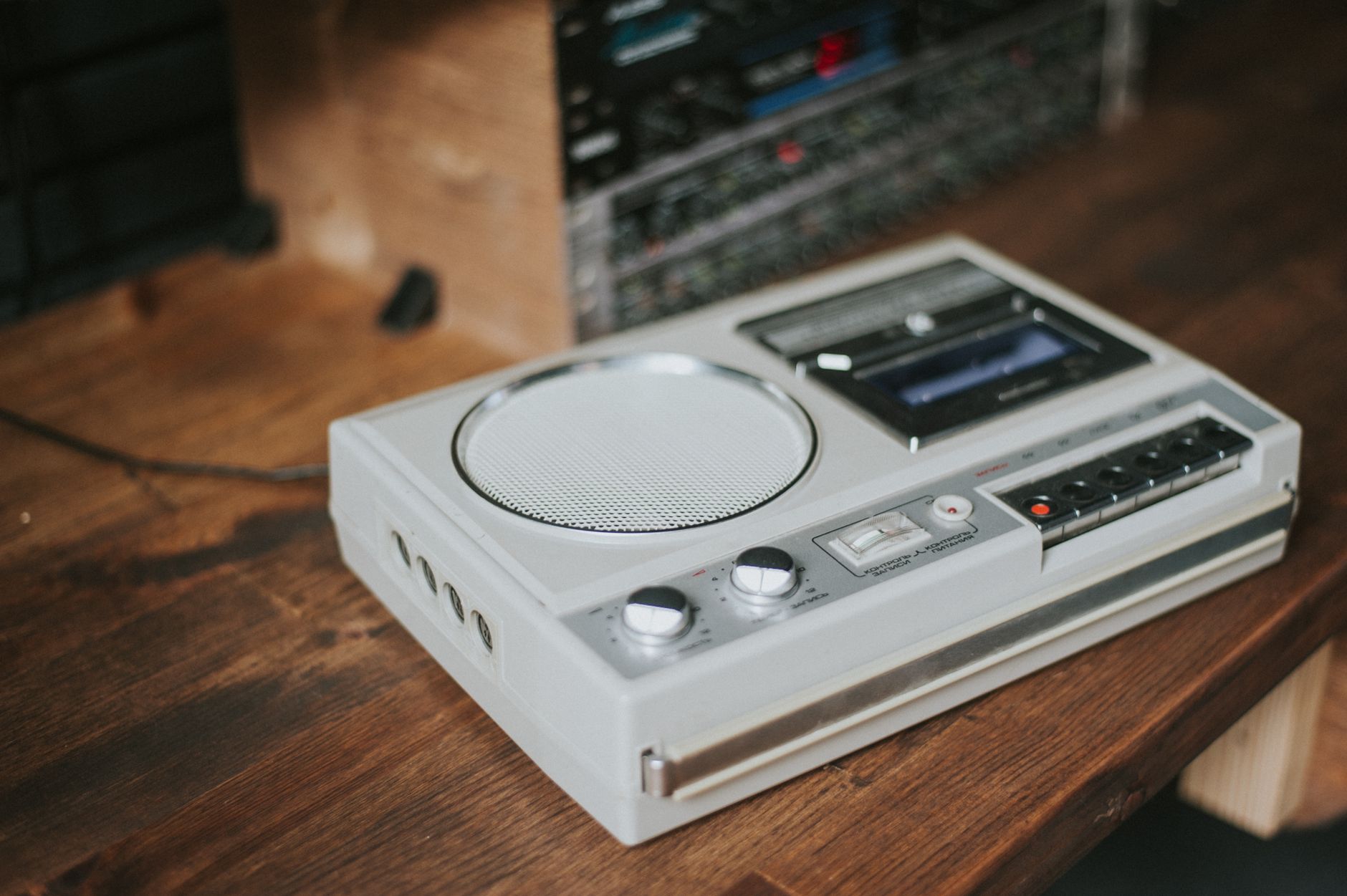
“There’s an envelope under this machine,” Mom said. “Whoever opened the box, take it out and read what’s in it to the table. I taught reading for thirty-four years. Out loud, please.”
The tape hissed. She had left a gap. I could hear her on it, breathing, waiting, the way she used to wait at the front of a classroom.
Tina did not move.
“Mama,” Kyle said.
She lifted the recorder with both hands. Under the dish towel there was a long white envelope, the kind the light company sends. Her fingers were not working right and it took her three tries to get the flap up.
There were three pieces of paper in it. She unfolded the first one.
“It’s from the jeweler,” she said. Her voice was not flat anymore. “It says, purchased from Mrs. Dorothy… one round diamond. Nine thousand one hundred dollars. January the thirtieth.”
She unfolded the second.
“Heating and air.” She stopped. She started again. “Installed, one gas furnace. And it’s our address. It’s got our address on it, Randy. Four thousand six hundred and fifty. Paid in full. Cash.”
“Read the other one,” Randy said. He was crying openly now and not wiping it.
“I can’t.”
“Read it, Tina.”
She read it. It was the tax receipt. It had her name on it, and my brother’s, typed out in full, and the two years, and a red stamp. She read her own name out loud in my mother’s kitchen, and the amount, and the word paid, and then she put the paper down on the yellow table and flattened it with her palm like she was trying to keep it from blowing away.
“I said she never gave us one thing,” she said.
Nobody answered.
“I said it at the church. I said it to Brenda. I said it to…” She looked at Pastor Mike. “I thought it was you. I thought it was the church. I thought you all took up a collection behind our backs and everybody in that building knew we couldn’t pay for our own heat. That’s why I quit coming. I couldn’t sit there. I thought every one of those women was looking at me.”
“It wasn’t the church, Tina,” Pastor Mike said. “I’d have told you if you’d asked me. We never had that kind of money in the benevolence fund in our lives. Nobody was looking at you. Nobody knew but Dorothy.”