The House My Grandmother Built
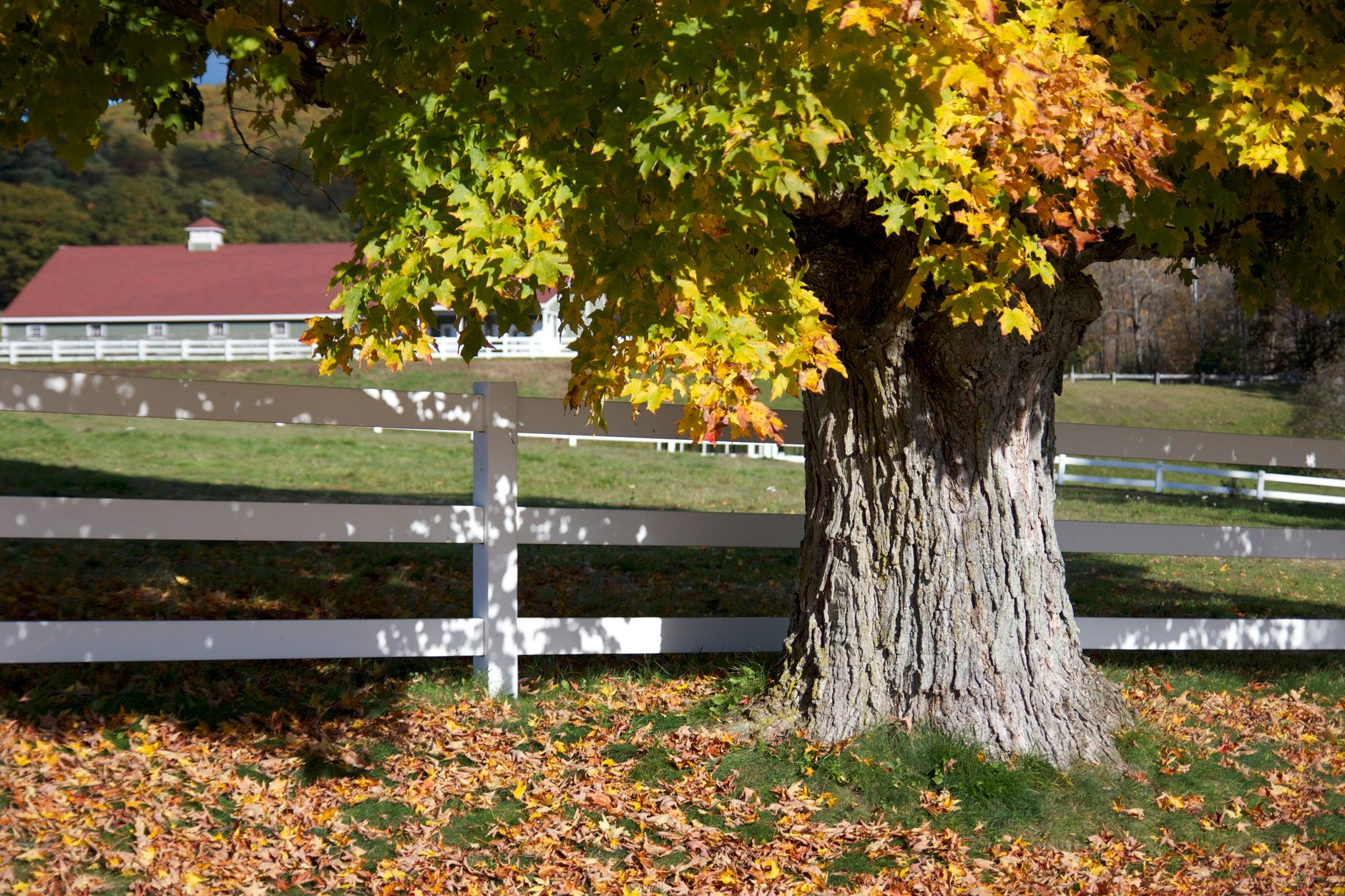
I have to explain the Harvest Supper, because to anyone outside Lindley it will mean nothing, and to anyone inside Lindley it means almost everything. Every year on the third Saturday of October, for as long as I have been alive and for years before that, the Lindley United Methodist Church holds its harvest supper out at our farm. It started with my grandmother, who hosted the church picnic in her yard because she had the biggest flat piece of ground and the most shade, and it never stopped. Two hundred people, sometimes more. Long tables set up in the machine shed and spilling out into the yard. Every woman in the county brings a dish and every man stands around the smoker telling the same lies about last year’s deer, and the children run wild in the fields until dark, and at the end Pastor Shively says a blessing and we all go home full and known. It is the one day a year the whole town is on my family’s land. It is, I think, the truest thing we have.
I had been hosting it myself since my mother passed eleven years ago. And it was eleven days away.
Dale assumed I would cancel it. He said as much, carefully, the next morning. He said this might not be the year for a big to-do, given everything, and that maybe it would be easier on everyone if we let the church use the fellowship hall this once. Easier on everyone. That word again, easier, which I had come to understand was the word people use when they mean easier for them. I told him the supper would be at the farm, the same as always, because the supper had been at the farm since before he was born and would be at the farm after we were both gone, and that he was welcome to come or not come as he saw fit.
He did not know what to do with that. I think he and Shelby had a picture in their heads of how this was going to go, a picture where I wept and packed and crept off to an apartment in Ashford and left the field clear for them to move into Opal’s house and raise their family in it, and the whole town would cluck its tongue and then forget. What they had not counted on, what people who come from somewhere else never count on, is that a town like Lindley does not forget, and it does not clear the field, and it most certainly does not hand over Opal Vance’s house to a stranger from two counties over because a weak man asked it to.
The eleven days before that supper were the longest of my life. I will not pretend I was serene. I cried in the barn where no one could hear me. I lost weight I did not have to lose. There were nights I lay in Hannah’s old room, because I could not stay in the bed, and stared at the ceiling and thought the ugly thoughts, the ones about my age and my body and whether I had been a fool for thirty years, whether everyone had been laughing at me, the farm wife who did not know. Those are the thoughts the betrayal wants you to think. They are the ones that make you small enough to move to town.
But I did the work anyway, which I have come to believe is the only thing that saves any of us. I cleaned the machine shed. I borrowed tables from the church and chairs from the funeral home. I called the women. And that was when I started to understand that I was not as alone as Shelby and Dale had bet I was.
This is the most heartbreaking and wonderfully sweet story I’ve read in a long time! I hope others that read it enjoys it as much as I did!