The Clothes My Parents Wore
My father did not take the money. He did not correct her sharply. He did not get angry, which was the thing I would have deserved, because the silence that followed was partly my doing and he knew it and I knew it. He just let his hand drop, the one she had refused to shake, and he put it in his pocket along with the small dignity she had tried to hand him, and he said, quietly, “No, ma’am. I’m just her dad. We’ll get out of your way.”
And God forgive me, I was relieved.
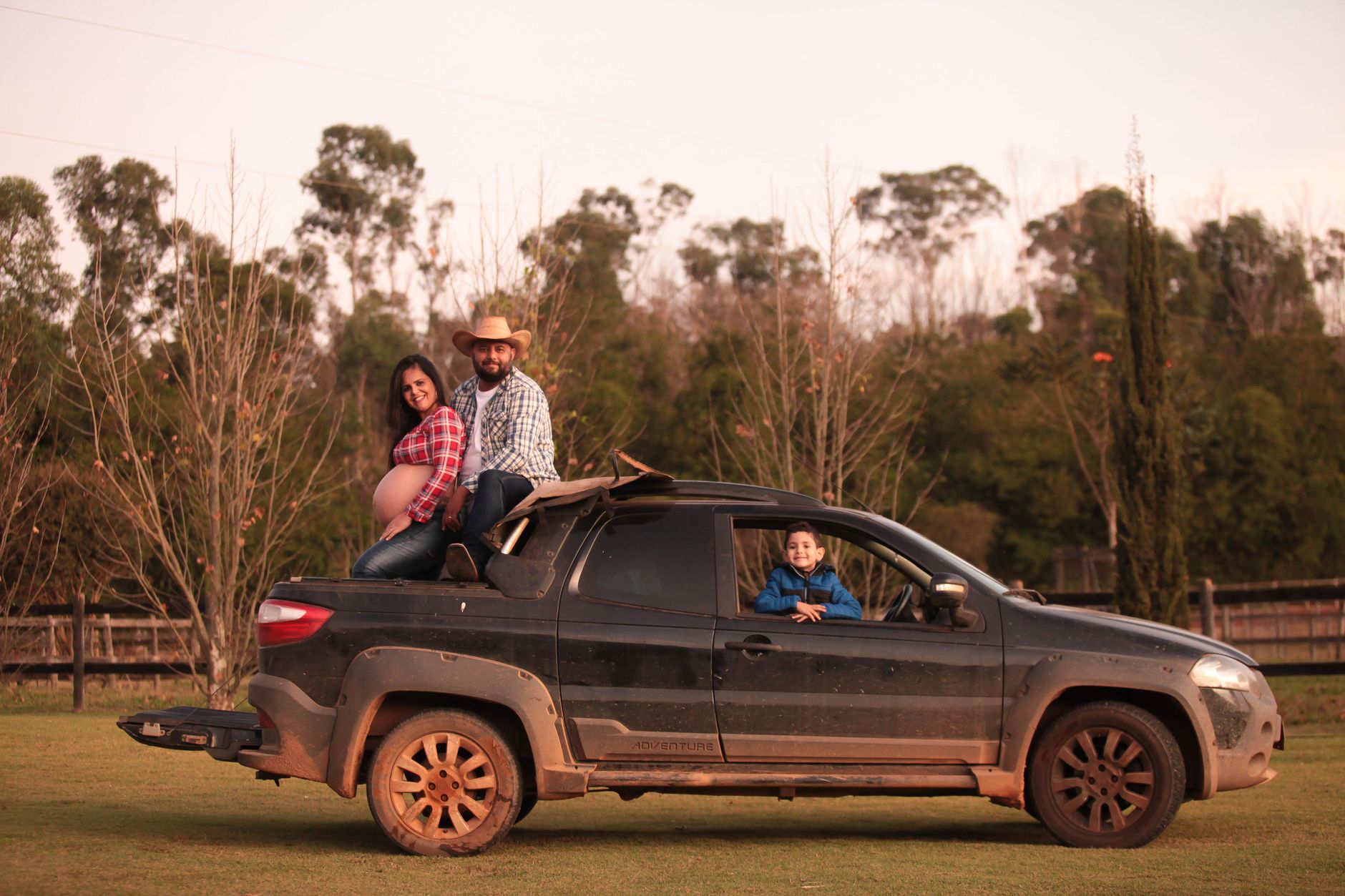
I was relieved that Diane Mercer thought my father was the help, because for one cowardly second it was easier than her knowing the truth, which was that this mud-booted man in the torn shirt was mine, that I had come out of that truck, that the orange Ford and the blue tarp and the Navy footlocker and the housedress with the little gray flowers were the whole sum of where I was from.
My mother saw it. Mothers see everything. She saw Diane Mercer’s folded bill and she saw my father’s hand go into his pocket and she saw, worst of all, the relief on her own daughter’s face, and she did the kindest and most terrible thing. She pretended she had not.
“We should let you get settled,” my mother said to me, brightly, too brightly. “You’ve got your orientation thing at two.” She came and held my face in both her hands, and her hands smelled like the dish soap she used and the hot vinyl of the truck, and she said, “You are going to do so well here, Nora. I have known it since you were little.” And she kissed my forehead and she did not cry, though I know now what it cost her not to.
They left. I walked them down to the parking lot, because I was not so far gone that I would let them leave without that, and my father retied the empty tarp over the bed out of habit, and he shook my hand (he was not a hugger, my dad, except at funerals) and held it a second longer than usual, and my mother hugged me hard enough to bruise, and then they climbed up into that old truck and pulled out past the Suburbans, the bungee cord trembling on the tailgate, and I watched them go and I felt, under the guilt, a shameful flood of pure relief that they were gone before anyone important had asked me whose they were.
That was the first day.
I did not understand anything that day. I want to tell you what was really happening in that parking lot, but I have to tell it the way I learned it, which was slowly, and from other people, over a whole fall and most of a winter, because my parents never told me themselves. They would have gone to their graves without telling me. That is the part that breaks me still.