The Card My Mother In Law Carried
I hung up. I did not move. I wanted to see the whole thing, and I wanted to see which of them reached for the card, because that would tell me what I still did not know about who had planned it.
It was Thelma.
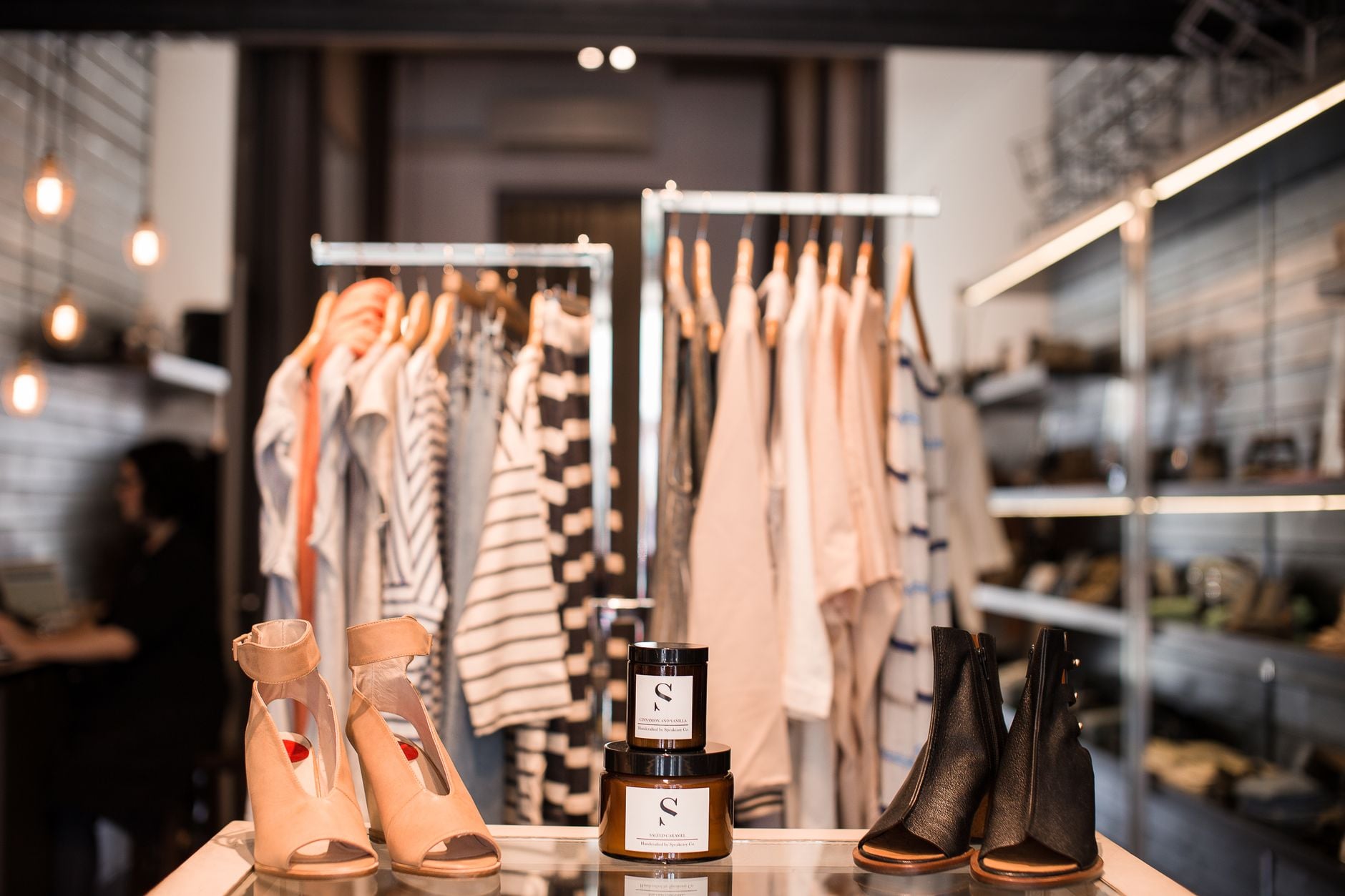
She carried the red heels to the register like a trophy, with Yvonne on one side and my husband on the other. The clerk was a woman about my age with reading glasses on a chain and a name tag I could not read from the railing. I learned later that her name was Velma. She rang up the heels. She rang up a little gold clutch. The total came to seven hundred and eighty dollars, and Thelma slid the black card across the glass with two fingers, the way she slides it across a table, the way she has done it a thousand times.
“Put it on this,” she said. “My son’s friend needs to feel appreciated.”
Velma ran the card.
The machine made a flat, ugly little sound.
I watched my mother-in-law’s smile hold for exactly one second. Then Velma looked at the screen, looked at the card, and said, in a voice as polite as a church usher’s, “I’m so sorry, ma’am. It’s saying declined. Would you like me to try it again?”
“Try it again,” Thelma said, and for the first time all morning her voice was not a performance.
Velma ran it again. The same flat sound.
Kip stepped up and handed Velma the card I had given him for gas and groceries, with a smile that was losing its shape.
Beep.
I will remember that sound for the rest of my life. It was almost gentle, a small electronic shrug. But I watched the warmth go out of my husband’s face all at once, like someone had pulled a plug. He was a man who had never once in eleven years paid for anything on his own and had just found out he was standing in a store with no way to.
Yvonne took her hand off his arm.
It was a small movement, nothing anyone else would have seen. But I saw it. I saw her look at the two declined cards on the glass, and at Thelma, and at Kip, and I saw something cross her face that was not quite alarm but was the beginning of arithmetic.
“Kip,” she said. “Whose cards are those?”
“It’s a glitch,” Thelma said quickly. “The chip is dirty. Sylvia has always been careless with the accounts. Velma, dear, hold the shoes. I will have this sorted in five minutes.”
She turned and marched out of the boutique with her purse clutched to her chest, Kip trailing behind her, Yvonne a half step behind him with the question still on her face. They crossed the atrium toward the department store at the end of the concourse, the big one with the perfume counters, and I understood exactly what Thelma was doing. She had another card. She always had another card. A department store account I had opened for her three years ago so she could buy her Christmas gifts, a charge card in my name with her name as an authorized user, a thing she carried in the back of her wallet like a spare key.
It was drawn on the same account. Lowell had said “everyone who can sign on it.”
I put my coffee in a trash can. I took the escalator down. And I followed them across the mall at a distance of about forty feet, in my work boots and my feed store jacket, with the quiet calm of a woman who is walking toward something she has already decided.