The Cadillac That Finally Paid Me Back
I did not yell. I did not do anything that morning. I picked up the trash with Posey helping me, dropping junk mail into the bag very seriously, and I took her into the garage and we fixed Edith Caldwell’s tiller together and I let her pull the cord to start it, and the whole time a part of my brain that had sat idle for a long while was turning something over.
I am a welder. I worked a grain yard for thirty-four years. I know exactly how much force it takes to move things, and how much it takes to make a thing that does not move.
I did not build a trap. I want to say that plainly because I have turned it over many times since and I am at peace with it. I did not want anybody hurt and I did not set out to wreck that man’s truck. What I set out to do was build a trash can stand that would still be standing on Thursday.
Here is what I made, over about two weekends in my garage, with Posey’s drawings taped up on the wall for moral support.
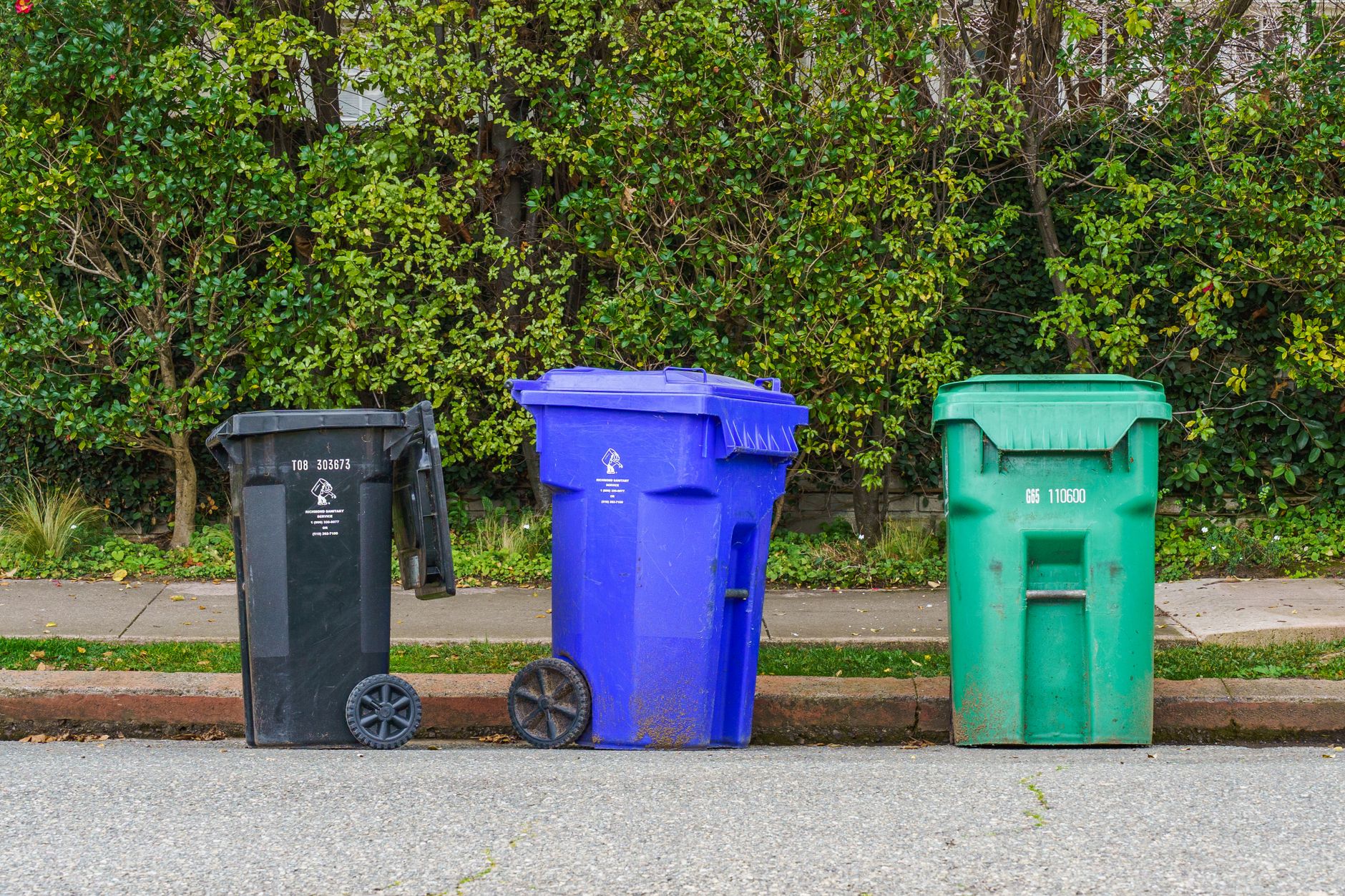
I dug down at the end of my driveway, on my property, right at the edge of the apron where my cans had always lived. I poured a concrete footing down past the frost line, a good deep solid pour, and I set into it a welded steel frame, heavy wall tube, a low cradle that held my two cans snug and a short upright post on the street side with the house number on it. It was not hidden. It was the opposite of hidden. I painted the whole thing bright barn red, and I bolted two big yellow reflectors to the post, the kind you see on a culvert marker, and I set a little solar light on top so it glowed at night. You could not miss it. You could see it from the water tower.
It looked, Peg said, like a trash can wearing a crossing guard’s vest. She stood in the driveway with her hands on her hips while I was bolting on the second reflector, and she said, “Hollis, you have spent two weekends and I do not want to know how much concrete on an eleven dollar garbage can.” And I said that was true. And she looked at it a while longer and then she went inside and came back out with a glass of iced tea for me and set it on the workbench without another word, which is how Peg tells you she is on your side. Forty years I have been reading that woman, and the iced tea means more than most things people say out loud.