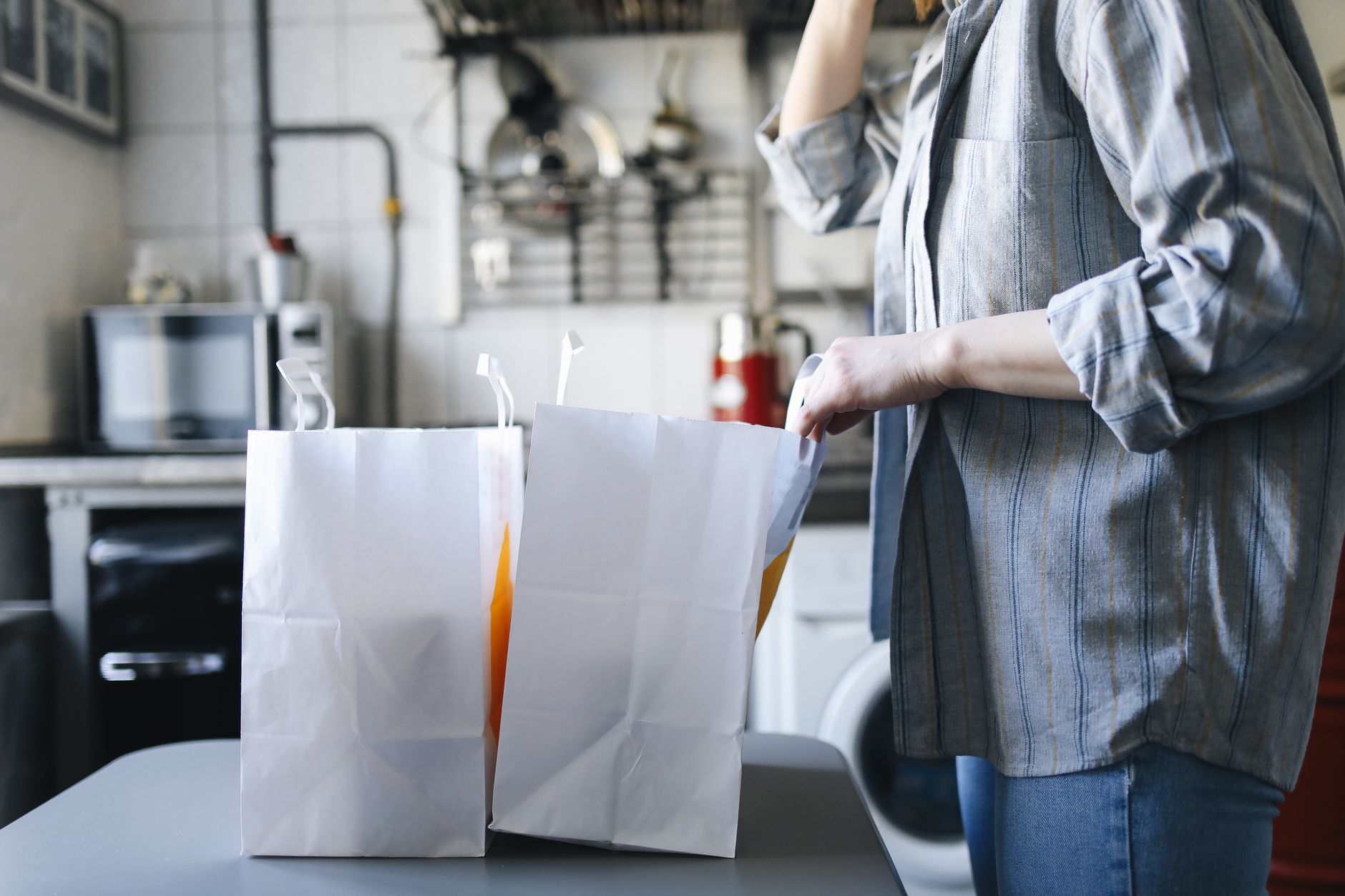
The Groceries My Mother In Law Threw Out
So one Tuesday in the fall of that first year, I drove to Verdell myself.
I told Wes I was going to look at a quilt frame a woman had for sale over that way, which was half true, and I put a sack of groceries in the truck, just a few things, bread and eggs and milk and some of those little cans of chicken Ada could open with her hands, which were getting bad with the arthritis. I found her house by the green shutters. I knocked, and it took her a long while, and when she opened the door she looked at me like I was an angel somebody had sent and then she looked past me to see if I had brought anybody, and when she saw I was alone she started to cry.
The refrigerator had a jar of pickles, a stick of margarine, and a carton of buttermilk two weeks gone. The bread box was empty. She had been eating saltines and the end of a jar of peanut butter. She was eighty-four years old and she had been eating saltines, and her daughter had told the whole county she did everything for her mother.
I am not telling you this to make myself out to be a saint. I want to be careful there, because that is not the shape of it. I did not plan to become what I became to Ada. I just could not drive away from that refrigerator. Anybody with a kind mouth could not have. I put the groceries away and I made her a real supper, pork chops and applesauce and green beans, and I sat with her while she ate every bite like she had forgotten food could taste like that, and when I left she held my face again and said, “Don’t tell Lorraine. She gets so upset when people fuss over me. It makes her feel she has not done enough.”
That was the lie Ada told herself to keep from seeing her own daughter plain, the same way I told myself lies that first year. We protect the people who hurt us. We get very good at it.
So I did not tell Lorraine. Not then, not for a long time.
I went back the next Tuesday. And the Tuesday after. And then it was Tuesdays and Fridays, and then it was whatever days Ada sounded thin on the phone, which was how I learned to listen to an old woman’s voice for the hunger in it. I brought groceries every time. Real groceries, more than Wes and Brynn and I could ever eat, which is why my sacks were always heavy and my receipts were always long and my refrigerator was always full of things that would have looked, to a woman inspecting it in the morning, like waste.