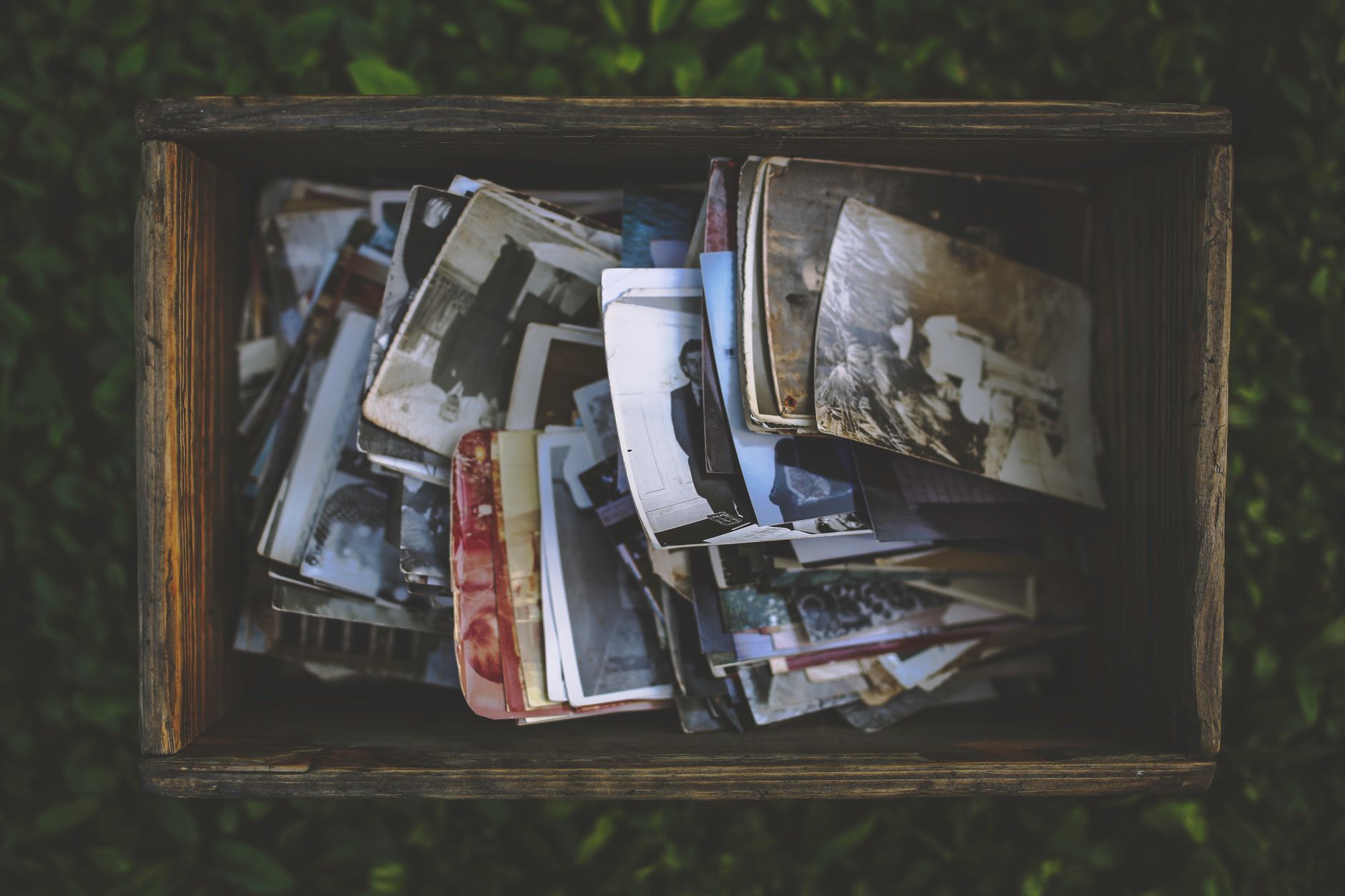
The Box My Husband Left Behind
“I did not ask you because there was nobody else. I asked you because there was nobody else I would have trusted with her. Not Arlene. Not my own blood. You. From that first supper, when that baby told you you could practice on her, I watched you two and I knew. You didn’t practice on her, Ruth. You just loved her, from the first minute, the way I loved you by the second Thursday of the meatloaf. Josie picked you. She drew that picture before I ever worked up the nerve to ask you to supper a second time. A four-year-old pointed across a table and called you her mama, and I just had the good sense to agree with her.
“You were not the one who was left, Ruth. You were the one I chose. You were the one she chose. You were the real thing from the first day and you will be the real thing when they lay you down, and I am sorry I won’t be there to say it to your face, so I am saying it here, where you can’t throw it back at me. You are Josie’s mother. Not her stepmother. Not her guardian. Her mother. I married you so I could be sure of it, and I am.
“Raise my girl. Our girl. And quit thinking you were second. You were first. You were always first. I just got to you late. Love, Walt.”
I do not know how long I sat at that table. Long enough that the fan got cold on me. Seventeen years of believing I was the leftover, the placeholder, the one grabbed by a drowning man, and all of it was a lie, and he had known it would be a lie, and he had reached forward through twenty years and two decades of Arlene’s slow poison and he had taken it out of my hands. He had seen the whole thing coming before it came. That is the kind of man he was. He fixed things. He fixed the one thing he could not be there to fix, by writing it down and sealing it and trusting his daughter to carry it to me at exactly the moment I would need it most.
Now I have to tell you about the wedding, because this is where it stops being just mine and becomes a thing that happened in front of people, which is the only way these things ever really get settled.
The first Saturday in October was bright and cool, the sugar maples going red up the ridge behind Pine Grove, the whole town turned out the way a whole town does in a place like Haydon where a wedding is still an event. Arlene was there, of course, in the second pew, in a dress the color of a bruise, seventy-four years old now and gone small the way the mean ones sometimes do, outliving their own meanness until there is nothing left but an old woman in a hat.
There had been a question, in the planning, of who would walk Josie down the aisle. Her daddy was gone. She had no brothers. Caleb’s father offered, kindly. One of Walt’s old friends offered. And I had assumed, the way I had assumed everything for seventeen years, that it would not be me, that it was not my place, that the aisle belonged to blood.
But that morning, in the little Sunday school room off the sanctuary where we were getting her into the dress, Josie turned around and she had the wooden box in her hands. She had brought it. And she opened it in front of her bridesmaids and Caleb’s mother and two of her nursing friends, and she took out the crayon drawing, the stick-figure house with MAMA RUTH over the woman in the triangle dress, and she held it up.