The Woman He Dared To Fly
The smell of jet fuel and floor cleaner does not mix, no matter how many years you spend trying to make it. I had been trying for eight months, ever since I started scrubbing hangar floors and washing cockpit glass for Bell Ridge AgriAir, the aviation company that had built its testing strip on four hundred acres of old soybean ground just outside Piney Fork, Missouri.
My name is Adaline Abernathy. Before I carried a mop bucket across that concrete floor, I carried something else entirely. Most people at Bell Ridge never asked what I did before I came to work there. They saw a woman in gray coveralls with her hair pulled back under a ball cap, wiping down windshields before sunrise so the engineers could see their reflections in the glass and admire themselves. They did not see the eleven years I spent as a Chief Warrant Officer in the Missouri Army National Guard, flying UH-60 Black Hawks, two of those years overseas pulling wounded soldiers off mountainsides in the dark with tracer fire lighting up the ridgelines below me. They did not know, and for a long time I let them keep not knowing, because a woman with a badge that says CUSTODIAL SERVICES on it does not get asked about her service record. She gets asked to empty the trash before the investors arrive.
That morning, the trash needed emptying more than usual, because Bell Ridge was about to either save itself or die.
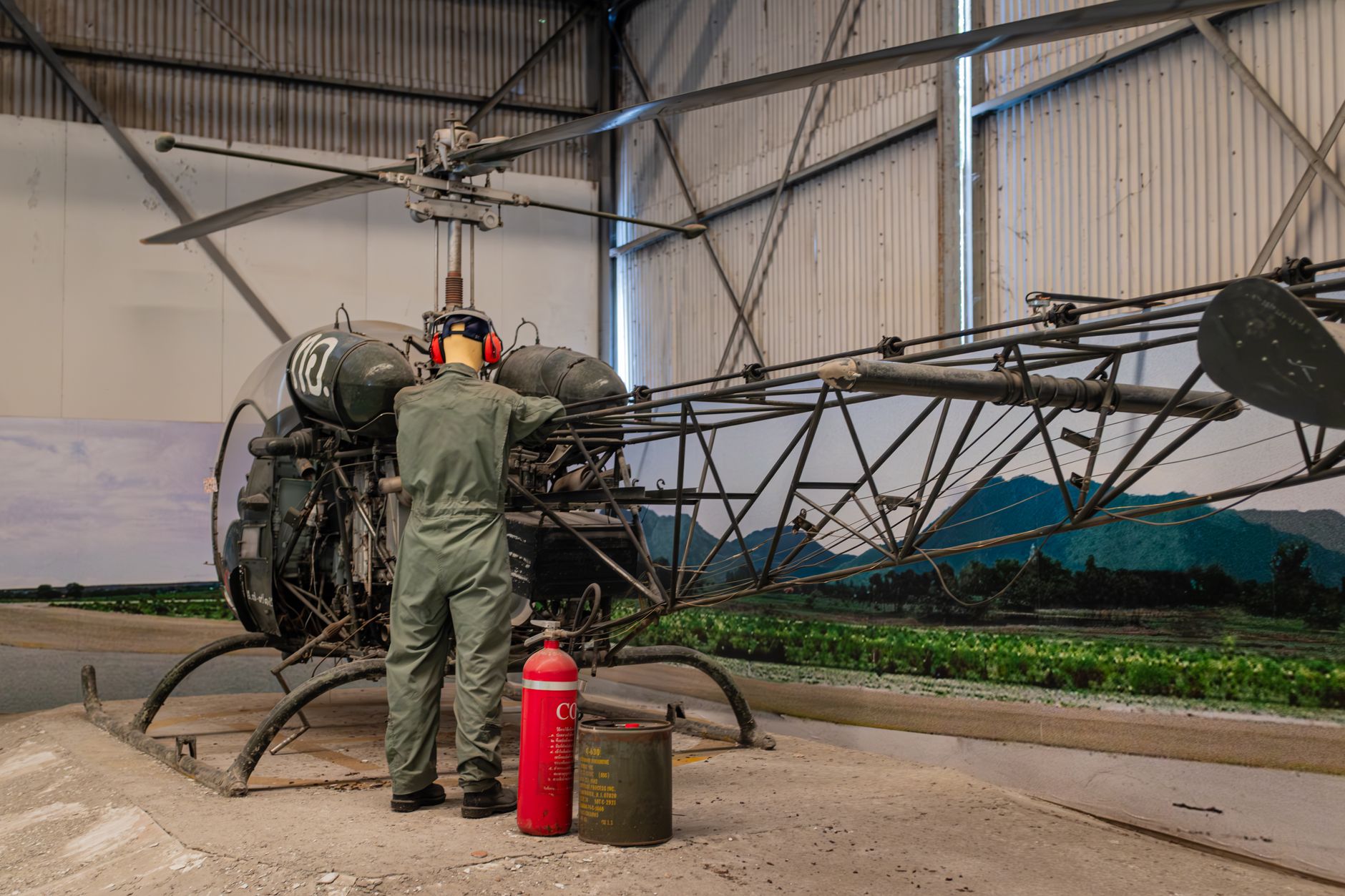
The company had built something called the Meridian, a two-point-four-million-dollar autonomous-assist crop-dusting helicopter meant to fly low over Ozark farmland, spraying and seeding fields without a full-time pilot in the seat, correcting itself in wind shear, saving small co-ops the cost of hiring aviators they could not afford. It was a beautiful idea and a beautiful machine, black and sleek, sitting in the hangar like something that had wandered in from a war it hadn’t fought yet. It was also, I had noticed from the corner where I emptied wastebaskets and listened to things nobody meant for me to hear, still failing its wind-gust simulations about one time in six. Nobody outside engineering was supposed to know that. I knew it because paper does not shred itself, and I was the one who fed it into the machine every evening.