The Summer My Son Mowed Free
When he was done, Mrs. Aldy came out with her change purse, the little snap kind that older women carry, and she tried to give him four dollars. And Tucker, my Tucker, he put his hands behind his back like she was offering him something hot. He told me about it that night at dinner and I can still hear how he said it. “Mom, I couldn’t take her money. Did you see her house? The paint’s coming off. She needs that four dollars more than I do.”
I did not know whether to hug him or cry, so I did both after he went to bed.
The next morning he came to me and he said, “There’s probably more people like Mrs. Aldy. Old people who can’t do their yards and can’t pay somebody and are too embarrassed to say so. I could do them. For free. All summer.” And he looked at me with Warren’s exact eyes, and I said the only thing a mother can say to that, which is yes.
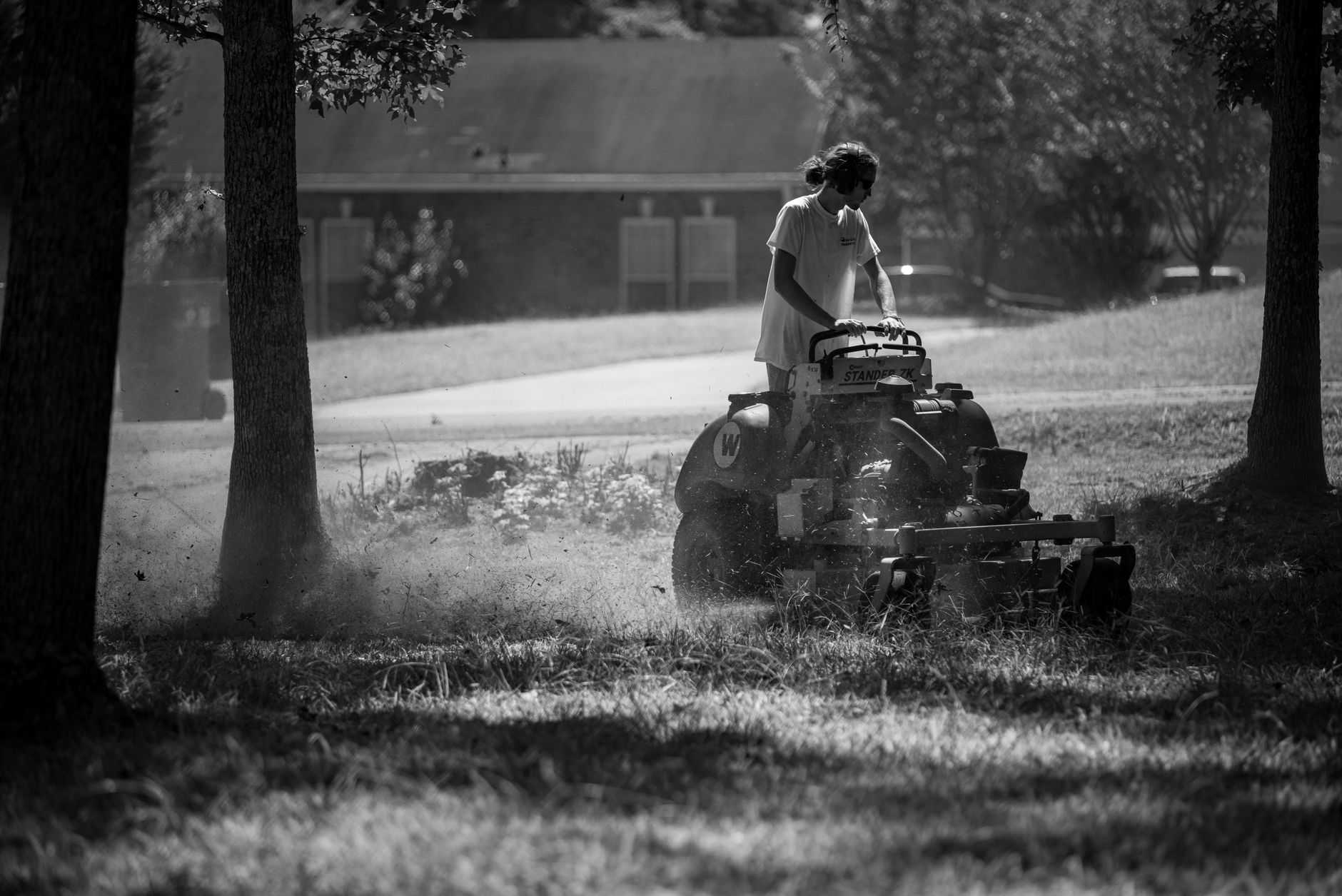
So that became the summer. Three mornings a week, before the heat got its worst, my twelve year old pushed our mower up and down the streets of Halford and cut grass for people who could not cut their own. Mrs. Aldy. Old Gene Pruitt who is on oxygen now. The Dahlbergs, both of them in their eighties. A widow named Carol two streets over whose name I did not even know until Tucker brought it home. He kept a little notebook of who needed it and how often, and he never took a cent, and when people pressed him he would say, “My dad would’ve done it,” and that would end the conversation, because it always did, because everybody in Halford knew Warren and knew it was true.
Word got around, the way it does. People started leaving him cold Gatorade in the mailbox. Mrs. Aldy started baking. Gene Pruitt gave him a good pocketknife that had been his son’s. And I would be lying if I said I was not proud in a way that felt almost sinful, a swollen kind of proud, watching my boy become a good man three feet at a time behind a lawnmower.
I want to be honest about the pride, because it is part of how the fear later got its teeth into me so fast. When you lose a husband young, you spend a lot of nights afraid you are going to raise a child wrong all by yourself, that without a father in the house the boy will go soft or go hard or go lost, and there is no one lying next to you to tell you that you are doing it right. So when the whole town started telling me what Tucker was, when Mrs. Aldy grabbed my hand at church and said Warren was smiling down, I let it in. I let it become the thing I stood on. I had built my footing on my son’s goodness being visible to everyone, and that is exactly the footing a man like Brad would learn to kick out from under a person. He did not have to prove Tucker was bad. He only had to make people wonder, and wondering, in a small town, spreads faster than any truth can chase it. I did not know that yet, that August. I was still just a proud mother watching her boy push a mower in the heat, sure that goodness that plain could never be turned into a weapon against us. I was about to find out otherwise.