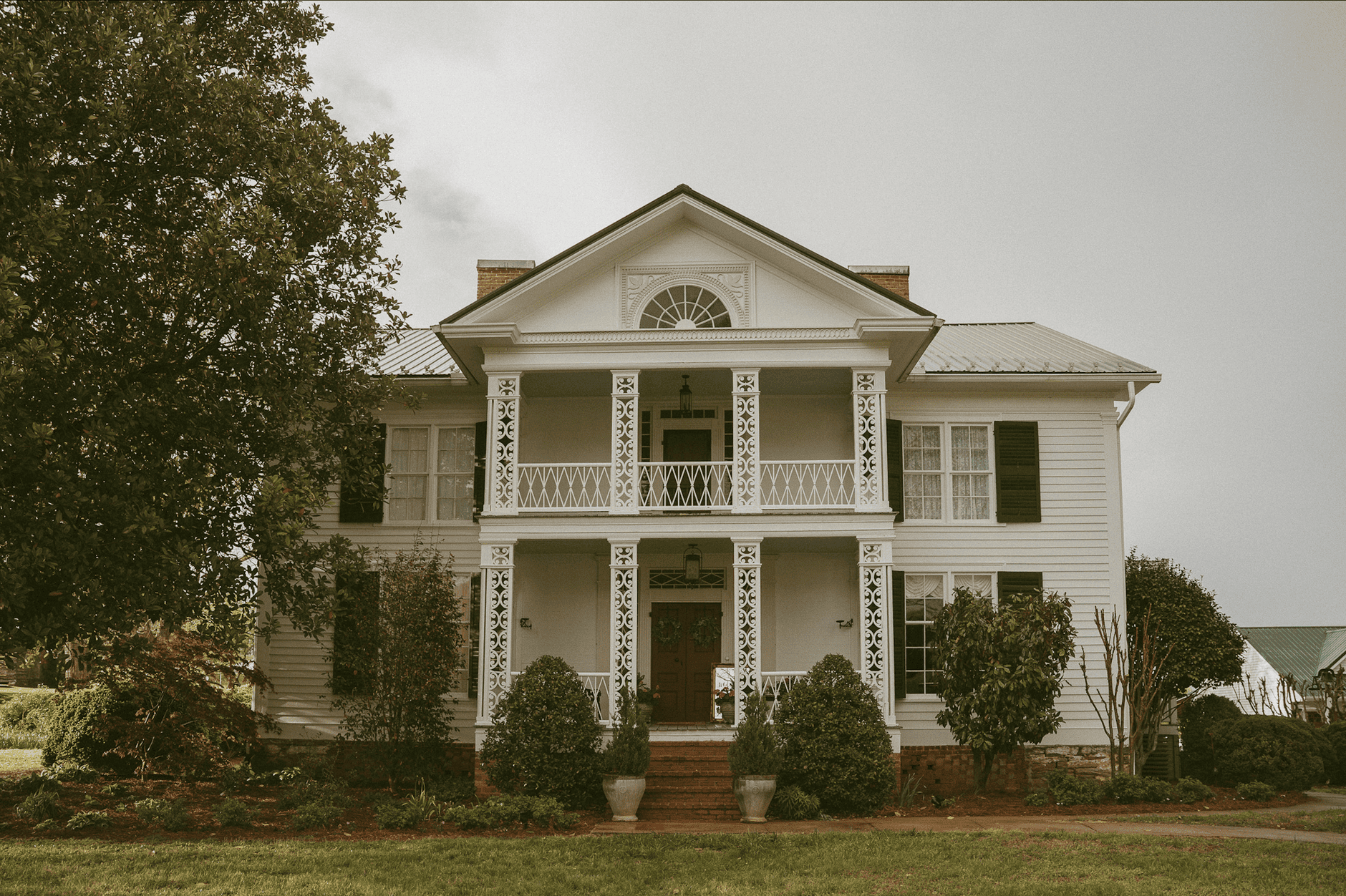
The Movers They Sent To My Farm
I graduated three weeks after the will was read. I want to be honest that inheriting that kind of money should have felt like relief, and for about four days it did. Then my mother started calling to ask, in a voice dipped in honey, whether I had thought about what was “fair” for the family, whether Kelso might want to build a house on part of the land since he was, after all, a Gormley too. Kelso himself drove out to the farm exactly once that month, walked the fence line like a man pricing cattle at auction, and told me the old grain bin would make a nice spot for a shop. Nobody asked whether I even planned to stay. Nobody asked how I was doing without the two people who had raised me in every way that mattered. They asked what I was going to do with the money.
The clearest example of how it had always been between us came the Fourth of July after the funeral, at a cookout my mother threw at her house in Cedar Bend Estates. Kelso stood up in front of thirty relatives and family friends and announced, half joking and half not, that he figured the family farm ought to belong to “the Gormley who actually has kids to raise on it someday,” meaning himself, since I was not married and, in his words, “off doing whatever it is you do.” My mother laughed along and did not correct him. Nobody at that cookout knew the farm already sat inside a trust with my name as trustee, and I did not tell them, because I had learned a long time ago in that family that information was only safe once it could not be used against you. I ate my hot dog, complimented my mother’s potato salad, and drove home to Hazel Green before the fireworks even started, because I would rather watch them from my own porch than from a lawn chair where I had just been talked about like I was not standing right there.