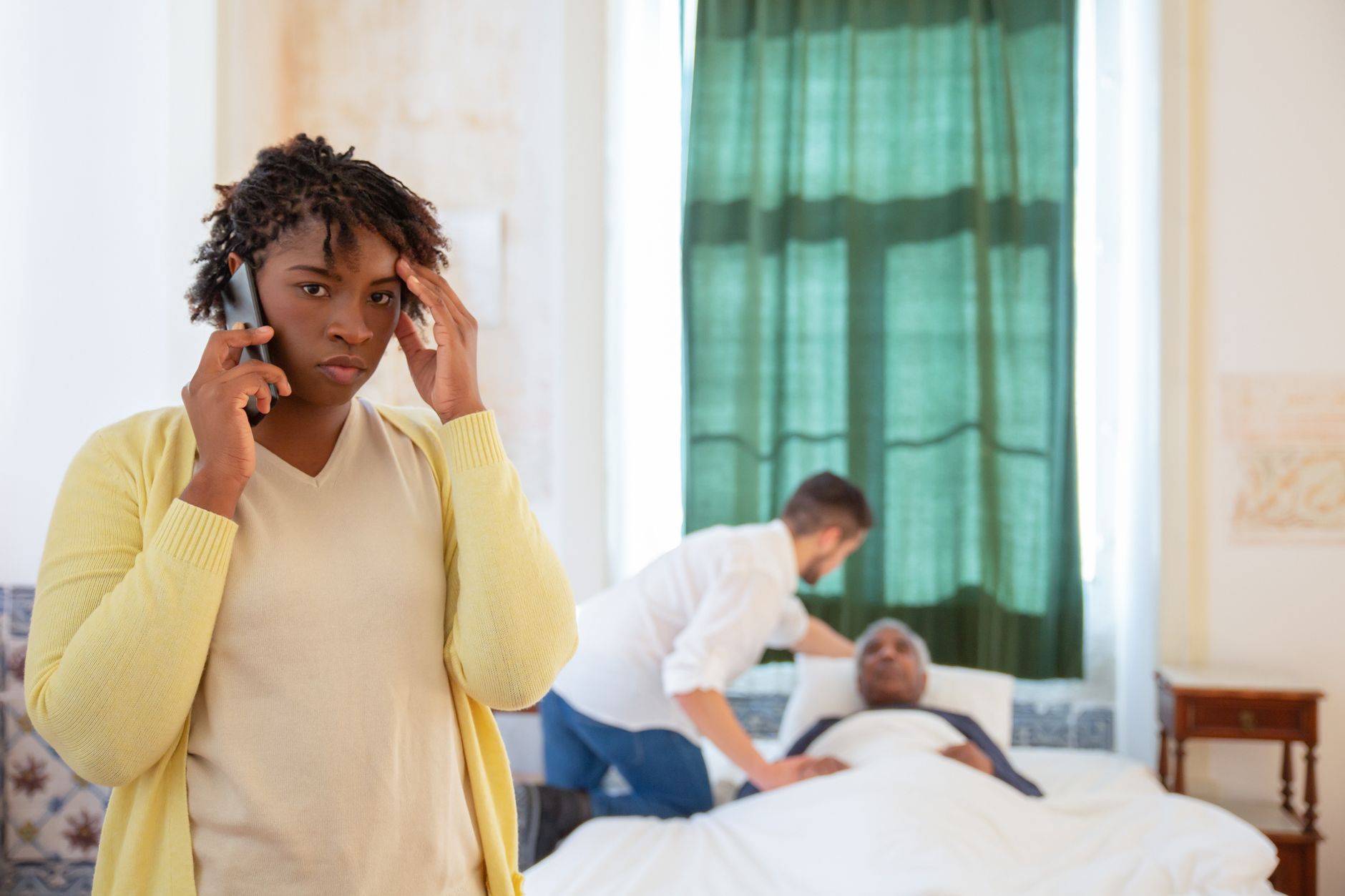
The ICU Where They Split His Estate
I should be honest about what those nine years cost me, because it matters to the rest. When I moved back to the county I was forty-seven and I had a life. I had a job I liked at the co-op office in town, keeping the books for the grain elevator, and I had a man named Wendell who wanted to marry me and take me to Arizona where his own kids were, and I had a little house with a garden I had put ten years into. I gave all of it up, a piece at a time, the way you do when the giving up does not announce itself as a decision. I cut back my hours at the co-op to drive Dad to appointments, and then I quit the co-op, and Wendell waited two winters and then he did not wait anymore, and I do not blame him, because a woman who spends every weekend at her father’s farm is not really engaged to anybody. I sold my little house. I rented the place four miles down the gravel because it was close enough to hear the phone. I did not do any of it because someone made me. Pam was right about that much and only that much. Nobody made me. I did it because my father was alone and my mother had asked me to look after him with the last clear breath she had, and where I come from, you keep the promise you make to a dying woman even when it eats your whole life. Especially then.
So when I heard my sister-in-law say I had been living off him, rent free, choosing a lifestyle, I want you to understand that she was standing in the smoking crater of everything I had set on fire to be there, calling it a vacation.
The stroke hit my father on a Tuesday, out by the grain bins. A neighbor found him. By the time I got to the hospital they had him stabilized and stable is a word that sounds like good news and is not. The neurologist, a tired young woman with kind eyes, took me into the hallway and told me the next seventy-two hours would tell us most of what we needed to know. She told me to talk to him. She said hearing is the last thing to go and the first thing to come back, and that even when a patient looks like he is not there, sometimes he is.
I called Gary. I told him he needed to come. He said he would come as soon as he could get away, and something about the way he said it, get away, like our father dying was a scheduling problem, put a cold stone in my stomach. But he came. He and Pam drove in the next afternoon and swept into the ICU family lounge in their nice coats, and Pam hugged me and said “Oh, Ruthann, you must be exhausted,” in the tone people use when they mean you look terrible, and I thought, all right, they are here, at least they are here.