The Farm My Uncle Almost Stole
She wrote a letter to her sister, my aunt Nora, two counties east near Chillicothe, and within the week we packed what would fit in the spring wagon, left the cows in the care of a neighbor named Garver who owed my father a debt of his own kind, and drove away from the home place before daylight on a Thursday morning in October.
We did not vanish. That is the word people in Bucklin used for years afterward, and it is the word I want to set straight now, because it was never true and it cost my mother a reputation she didn’t deserve to lose. We left. We left on purpose, in a wagon, in the dark, because my mother had figured out something the rest of the county hadn’t: that if she stayed on that farm one more month, Ulys would find a way, legal on its face and rotten underneath, to take it from her while the ink on my father’s grave marker was still wet. Leaving bought her time. Time to find out whether my father had left more than debts and grief behind him.
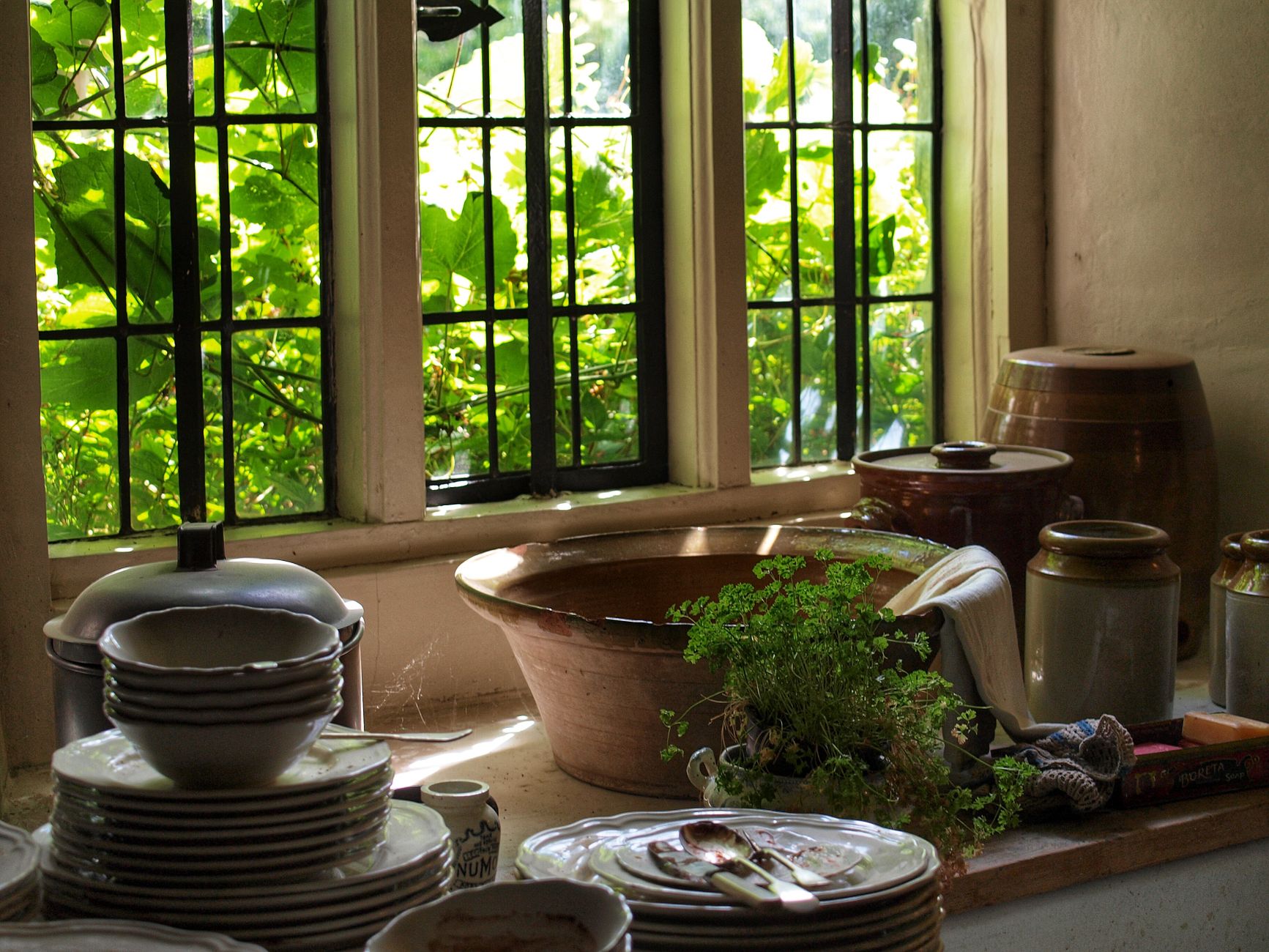
What the county saw, when the sun came up that Thursday, was a house standing open with the breakfast dishes not yet washed, a lamp still full of oil on the table, my father’s hat on its peg by the door because my mother could not bring herself to pack it, and no Lattimores anywhere in it. The barn door stood open because we’d left in too much of a hurry to latch it. Nobody had told the neighbors. Nobody had told the bishop, not the whole of it anyway, only that we were going to Nora’s for a spell.