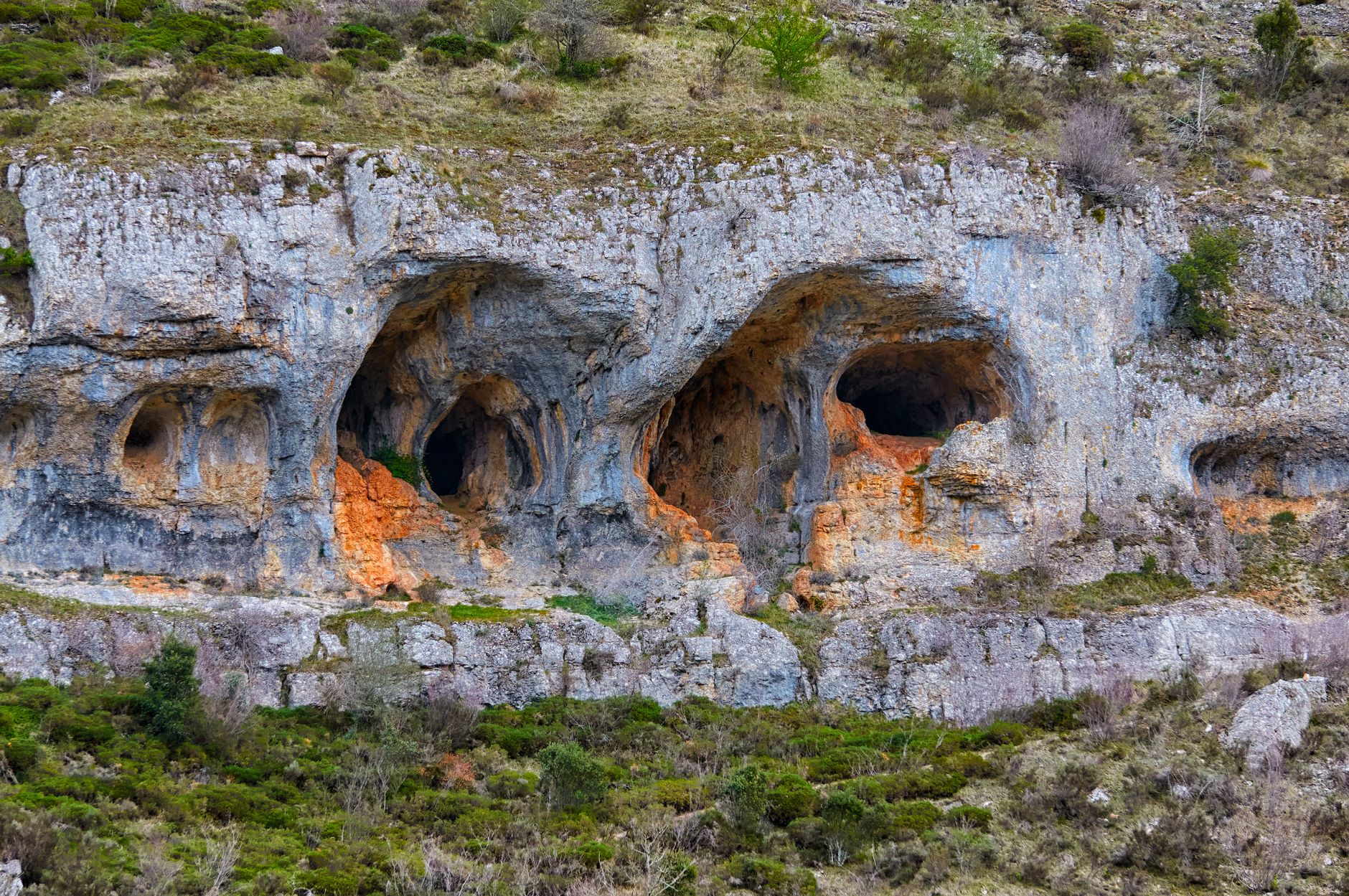
The Cave That Held My Grandfather’s Faith
“Can I help you with something?” he asked, not unkind, but careful the way a man is careful with someone he does not know standing on his property.
My mouth had gone dry somewhere around the third mile of that road. “I used to live here,” I managed. “A long time ago. This was my family’s place.”
He studied me for a second, the way people in a small town study a face they cannot quite place, trying to decide if it belongs to somebody’s cousin or somebody’s trouble. “We bought it going on three years back,” he said. “From a woman named Idamae Fickett.”
My mother.
Something in my chest folded in on itself, quiet, the way a barn does when the middle beam finally gives after years of nobody noticing it had rotted through. I had known, in the vague way a man knows things he has refused to look at directly, that the house might not still belong to us. Nine years is a long time. What I had not braced myself for was that she had sold it and never once written to tell me. Not a letter. Not a visit. I had pictured her still in that kitchen every single night I lay on a steel bunk trying to sleep, and the whole time she had been somewhere else, and had let me keep picturing a kitchen that was not hers anymore.
“I’m sorry to hear that,” the man said, and he meant it, I could tell, but there was a wariness underneath the kindness, the wariness of a father with two kids in the yard and a stranger he did not know standing too close to his fence line.