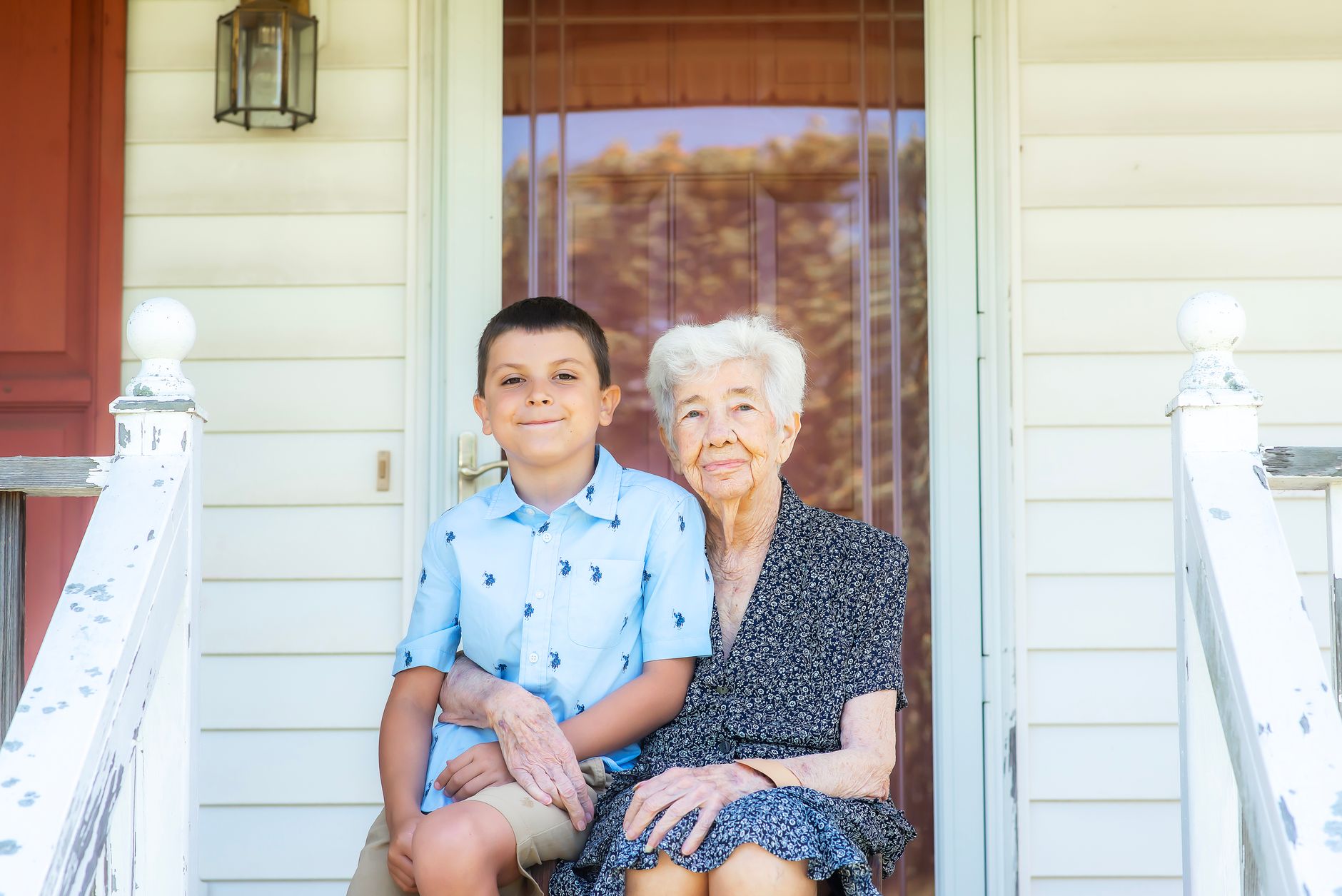
The Woman Who Called Me Her Granddaughter
What I Gave Tammy Back
People ask me sometimes if I feel strange, benefiting the way I have from a debt that was never mine to collect. I tell them the truth, which is that I did not move into that house on Persimmon Road to collect anything.
I moved in, at first, because I had nowhere else to go. I stayed because somewhere in that first month I noticed Tammy’s son called twice, both times about money, both times hanging up within four minutes without once asking how her eyes were doing or whether she’d eaten supper. I stayed because Alfred, who loved her plainly and had for decades, was getting older himself and needed somebody else in that house who could read the mail out loud and check the dates on the medicine bottles.
I stayed because for the first time in twelve years, somebody in my life wanted to know what I thought about something before they told me what to think.
I started keeping the books for the feed store that spring, the same way my whole childhood had circled a woman keeping books at a register without me ever knowing her name. I helped Tammy finally put the scholarship fund on paper the way the church needed it, not because a document could fix what a person’s kindness had already done for thirty years, but because the next family who needed it deserved a fund that would still be there whether or not Tammy was well enough that year to fight for it herself.
I read to her most evenings now, out on that porch when the weather allows it, and some nights she still hums that same hymn under her breath while I go through the mail, and I have stopped needing thirty years to recognize it.
Home on Persimmon Road
I think about that bus bench often, the cracked concrete and the boarded up windows across the road and the particular kind of cold that comes into Mississippi air right at dusk in October. I think about how close I came to simply walking home in the dark and letting Sherwood’s version of the story be the only one anybody ever heard.
I think, too, about a little girl in a diner booth thirty years ago, eating pie she never asked for, never once wondering why the lady at the register always seemed to know exactly when her family was running thin.
Some debts, it turns out, do not go looking for repayment. They wait, patient as a woman humming a hymn at a register, for the day the same voice comes back down the same stretch of road, needing exactly the kind of help it was quietly given once before.
I am thirty six years old. I have a home now that was given to me twice, once by a stranger who was never really a stranger at all, and once by a little girl who did not know, all those years ago, that the kindness she was too young to understand would be the very thing that came back to save her.
Miss Tammy calls me her granddaughter still, and these days neither one of us is pretending.
This story is a dramatization. Names, characters, and details are invented, and any resemblance to real people or events is coincidental.