The Daughter Who Owned It All
I looked down at the termination form without reaching for the pen. Effective immediately. Reason for separation: failure to support leadership direction. A tidy, bloodless little sentence for the truth, which was that I had refused, three separate times, to let him hide a rising defect rate from a client who had trusted this plant with their name for eleven years.
I looked up and gave him a small, steady smile, because I already knew something he didn’t, and it is a peculiar kind of calm, knowing that.
“All right,” I said. “You’re the boss today. Fire me.”
For one second, something in his face slipped. He had wanted tears. He had wanted to be the man who finally, painfully, had to make the hard call, a story he could tell later at a manager’s conference somewhere with a drink in his hand. What he got instead was a woman standing up, gathering her binder and her badge, and walking to the door on her own power.
“I’m serious,” he said, sharper now. “Security can escort you.”
“I heard you the first time.”
In the hallway, three of my line leads looked at me the way you look at a fence post that has just been pulled clean out of the ground. They knew what I caught on that floor every week. They had no idea what Derek had just done, or what was two days away from happening to him.
My Father’s Barn
To understand why I could stand in that break room and smile instead of shake, you have to understand what that plant actually was, underneath the org chart Derek thought he had memorized.
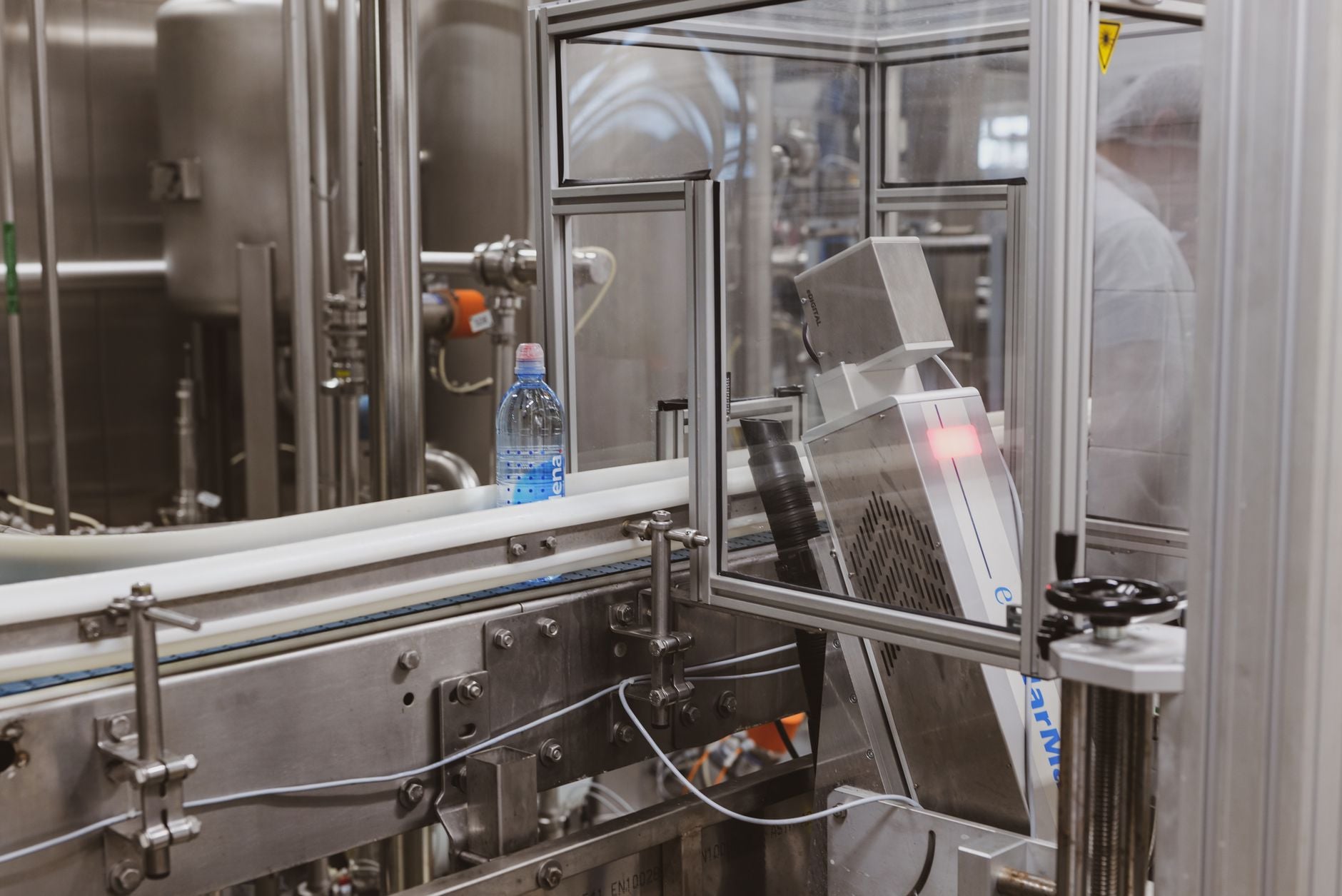
My father, Chris, started Wabash Valley Plastics in 1979 in a pole barn behind our house outside Cedar Fork, Indiana, with one used injection molding machine he’d bought off a company in Anderson that was liquidating, and a used pickup he drove to farm equipment dealers all over the county trying to sell them on plastic parts instead of the stamped steel everyone else was using. He was not a businessman by training. He had been a machinist, and before that, a kid who grew up milking cows before school on a rented farm two roads over from the house he eventually bought outright.
He built that company the way most things get built in a town like ours: slowly, on credit nobody was excited to extend him, on handshake deals with feed stores and implement dealers who liked him more than they trusted plastic, and on the kind of stubbornness that either kills a business in year two or turns it, eventually, into the largest employer in a fifteen mile radius. By the time I was in high school, the pole barn was a forty thousand square foot plant with its own rail spur, and my father had gone from a man people were polite to at church potlucks to a man people asked to speak at the Rotary Club, a role he hated and did anyway because he thought it was good for the workers to see him do uncomfortable things in public.