The Firm My Family Never Knew I Owned
The Kind of Widow This Town Expected
My husband died on a Tuesday in October when Marlon was three years old, out at the mill on a job that should never have gone wrong, and it did, and by Wednesday I was a twenty six year old widow in a town where widows my age were expected to do exactly one of two things. Remarry quickly, or disappear quietly into somebody’s spare bedroom.
I did neither. I took a job answering phones at the law office on the square, because my father had once worked there and the men still running it in those days remembered him kindly enough to hire his daughter when she needed the work worse than she had ever needed anything in her life.
The pay was not much. It was enough for groceries and Marlon’s school shoes and the mortgage on the little house my husband and I had bought with everything we owned, which back then was not very much at all.
I learned that office from the bottom up because nobody thought to stop me from learning it. I did the filing. I did the billing. I sat in on client meetings to take notes because the secretary before me had quit, and I kept sitting in on them because it turned out I was good at remembering which client had which trouble and which cousin was suing which cousin over which strip of bottomland.
For years I was simply the woman at the front desk, the widow with the boy, the one who brought a casserole to every office funeral and every office baby and every office retirement, because that is what this county teaches its women to bring.
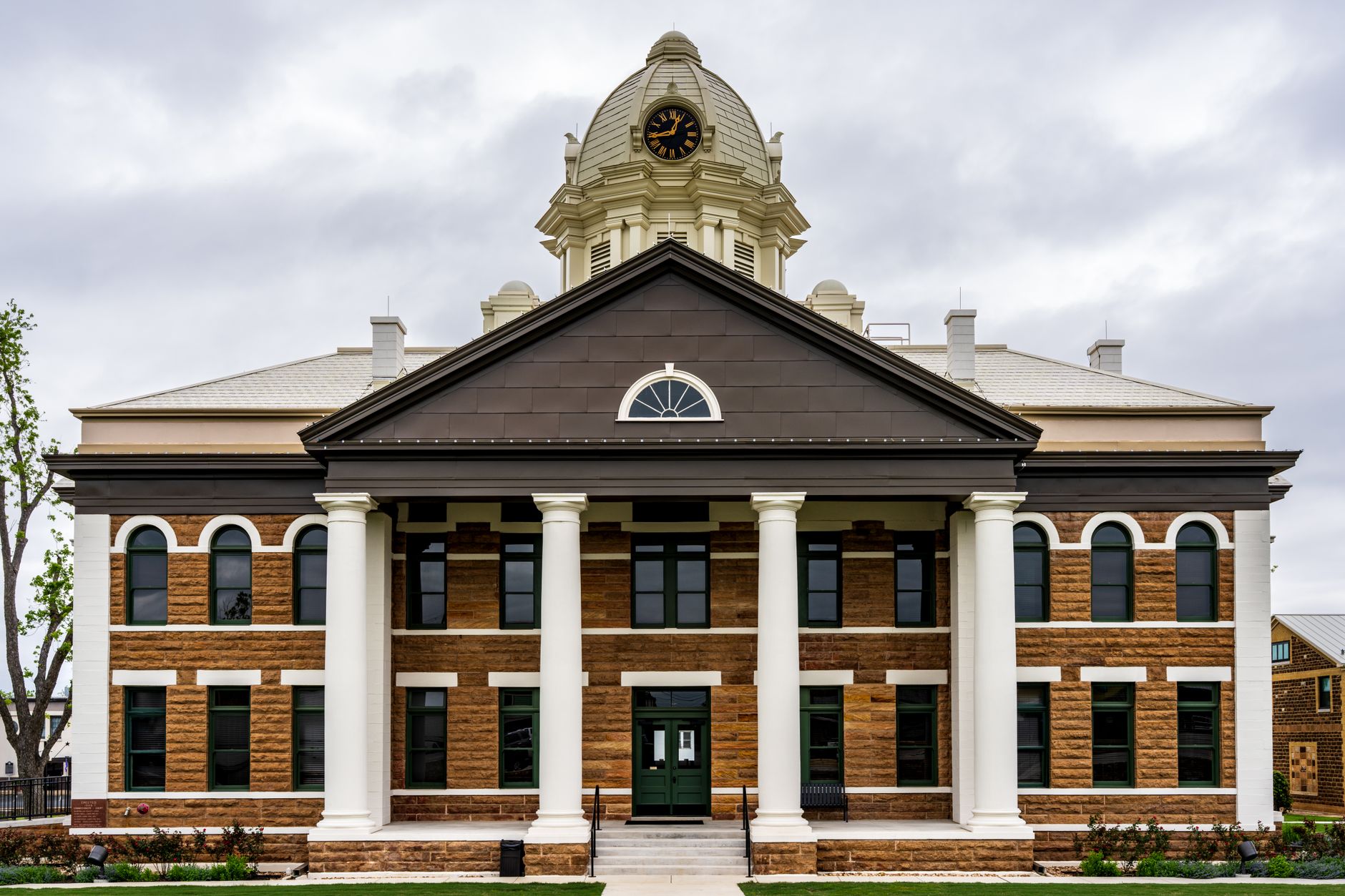
Nobody in that generation of young lawyers, and there have been three generations of them come and go through that building since I started, ever thought to ask why old Mr. Tolliver’s name stayed carved into the cornerstone of that brick building long after the last Tolliver anybody could remember had passed on.
They did not know there was a Tolliver still walking around town in sensible shoes, doing the books.
That was my father’s name. And it is, though I go by my married name and always have, my name too.
Sixty One Percent
When my father died, he left me what he had, which back then amounted to a modest interest in the firm he had helped build, some farmland that had been in the family longer than the firm had, and a great deal of advice about not letting anybody see your whole hand at once.
I did not cash out. I did not need the money as badly as I needed the steady thing, and something in me, even at twenty eight, understood that the steady thing was worth more than people in this town believed, because they had already decided what a young widow with a dead father’s small inheritance was worth, and it was not much.
Over the following three decades, as the partners who had known my father aged out and retired, one by one, most of them wanted their share bought out rather than sold to some stranger from a bigger firm in Nashville who would change the name on the door and lay off the paralegals who had been there twenty years. I bought in, a little at a time, every time one of them stepped back. I used my father’s land, sold off in pieces I could stand to lose. I used what I saved doing the books for thirty years while everyone assumed my salary was the whole of my income. I used the modest life I had chosen to live in a house that never got any bigger, driving trucks that never got any newer.