The Doll On The Front Step
Where We Landed
It has been several months now since that afternoon on Dawn’s porch, and I would like to tell you the ending is simple, but the honest ones rarely are.
Dawn does not babysit alone anymore. Not because a court or a caseworker forced the arrangement, though a caseworker did come out once, ask her careful questions, and leave a formal note in a file that Dawn will have to live with for the rest of her life. It is because Jim and I decided it, together, the two of us finally on the same side of something that should have never needed sides in the first place. Any time with Dawn now happens with one of us in the room, or with John instead, who has more than earned the trust the rest of us are still rebuilding toward Dawn one supervised Sunday at a time.
Jim apologized to me for that phone call more than once, and meant it more each time. He has said, more than once since, that he will never again choose the comfort of not believing something over the safety of checking it himself. I hold him to that the way I hold myself to checking on my own daughter’s world every single day, not out of the anxious habit Dawn used to mock in me, but because that habit is, it turns out, the entire reason my daughter is safe enough today to still ask for her doll by name.
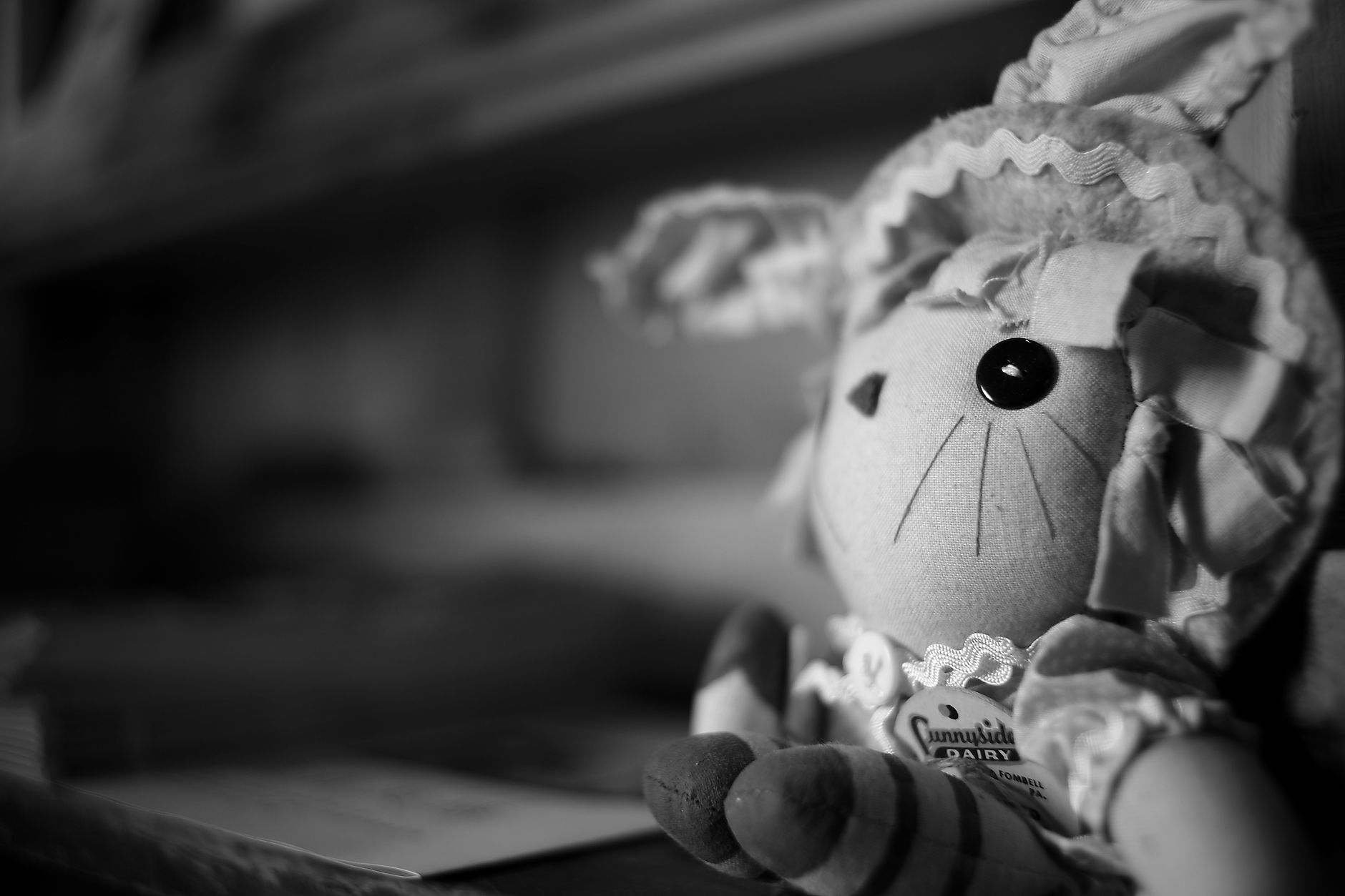
The doll itself sits on my daughter’s shelf now, stitched back together by a woman at the fabric shop on the edge of town who does that kind of mending as a side business, the tear along the side closed up so neatly you would have to know exactly where to look to find it at all. My daughter still carries her into the car and the bathtub and her own bed most nights, entirely unaware of everything that torn seam once meant to the rest of us.
Dawn mended something else, slowly, the way real repair actually happens rather than the way it happens in the stories people like to tell themselves. She wrote my daughter a letter, simple and short, apologizing for a nap she never should have arranged and a door she never should have locked, and she asked me, not Jim, whether it would be alright to read it to her granddaughter herself one Sunday afternoon with John and me both in the room. I said yes. My daughter, three years old and gloriously unaware of the weight behind the words, mostly wanted to know if Grandma had brought the good crackers.
She had. That, at least, Dawn has never once forgotten to do right.
What I know now, in a way I did not fully know before that August afternoon, is that carelessness and cruelty are not the same thing, and a person can be guilty of the first without ever meaning the second, and still owe a real accounting for what it cost the people who trusted her. Dawn never meant my daughter harm. I believe that completely. But meaning no harm was never going to be enough to keep my daughter safe on its own, and it took a broken door and a locked room and a small voice calling for me down a quiet hallway to make the whole family finally understand the difference.
My daughter is safe. She is loved by every single person in this story, including, in her own complicated way, the woman who locked that door. And on quiet evenings now, when Dawn comes to sit on our porch with John, supervised and welcome and slowly, carefully earning her way back into the ordinary trust of family life, I watch my daughter climb into her grandmother’s lap with her doll tucked under one arm, and I let myself believe, a little more each time, that we might actually be alright.
This story is a dramatization. Names, characters, and details are invented, and any resemblance to real people or events is coincidental.