The Hundred Year Starter She Stole
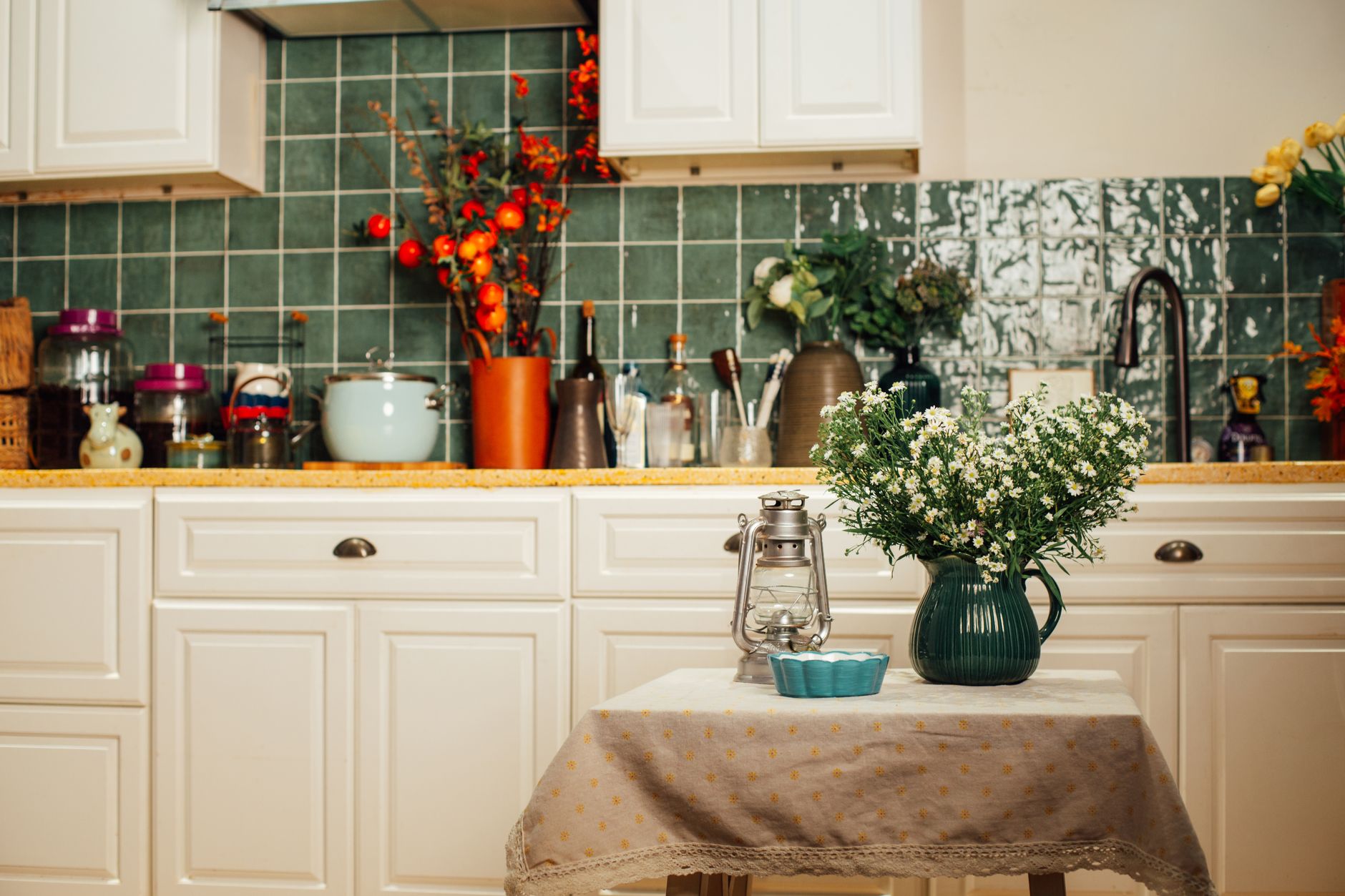
The morning after we buried my mother, my brother’s wife backed her white Tahoe up to the farmhouse porch and carried out the chipped brown crock that had been bubbling on our kitchen counter since before I was born. Darlene held it against her chest like a christening baby, and when I came out onto the steps in my robe, she told me she had a note that said the starter was hers.
I want to tell you I said something. I want to tell you I stood on that porch in Cutler, Iowa, the paint peeling under my bare feet, and I fought her for it right there while the funeral flowers were still fresh on the counter inside. But I didn’t. I held the screen door and I watched her set that crock on a folded quilt in the back of the Tahoe, the way you’d cradle something that might spill, and I let her drive off down the gravel with a hundred and one years of my family bubbling under a dish towel.
People have asked me since why I let her go. The honest answer is that I already knew what was in the crock, and I knew what wasn’t. I just had to wait for Darlene to show the whole county the difference.
What the Crock Was
My mother’s name was Vera Lindgren, and if you grew up anywhere near Guthrie County you probably ate her bread. Not because she sold it. She never sold a loaf in her life. She gave it away. Funerals, mostly, and new babies, and the Tuesday she found out the Hoyt boy’s wife had left him with three kids and no groceries. Vera showed up at your door with a warm loaf wrapped in a flour-sack towel and a jar of apple butter, and she stayed twenty minutes, and she never once told you it would be all right, because she knew you couldn’t hear that yet. She just left the bread.
The bread came from the crock. That is the part that outsiders never understood. It was not a recipe, exactly. It was a living thing. My great-grandmother Ingrid started it in 1925 in a dugout house on the Nebraska line, back when a sourdough starter was not a hobby but the only leavening a homestead woman could count on. She fed it flour and well water and kept it alive through the Dust Bowl, through two wars, through the winter three of her children had scarlet fever and she baked at two in the morning because it was the only time the house was quiet enough to think. When Ingrid died, the crock went to my grandmother Alma. When Alma died, it went to Vera. And the whole time, for a hundred years, it was the same starter. The same colony of wild yeast and bacteria, fed and split and carried down a kitchen counter through four generations of women who understood that you do not own a thing like that. You only keep it for a while.
That is what Darlene put in the back of her Tahoe. Not a pot. A hundred years of women.