The Secret My Father Kept In The Garage
A Conversation On The Porch
We sat out on his porch that same evening, the two of us, with the kind of quiet between us that used to feel like distance and has started, lately, to feel like something closer to peace.
I asked him, finally, why he never told me. Not accusingly. I just wanted to understand it, after everything.
He thought about it longer than I expected before he answered. “Your mother never needed anybody clapping for her to do a kind thing,” he said. “I figured if I made a big production out of it, told everybody, put it on the church bulletin, it’d turn into something about me instead of something about her. This way it just kept being hers.”
I told him I wished he’d trusted me with it anyway, that I’d spent six years worrying about him rattling around this house alone and it turned out he’d been busier and less alone than almost anybody I know.
“I know,” he said. “I should have told you. I was scared that telling you would mean somebody official showing up asking about permits and licenses before I ever got a chance to help the first dog.” He looked toward the garage, dark by then except for the porch light spilling onto the sign we’d hung two weeks before. “Turned out somebody official showed up anyway. Just not the way I figured.”
We both laughed at that, longer than the joke probably deserved, the particular kind of laughing that happens after something frightening has finally finished being frightening.
What I Know Now
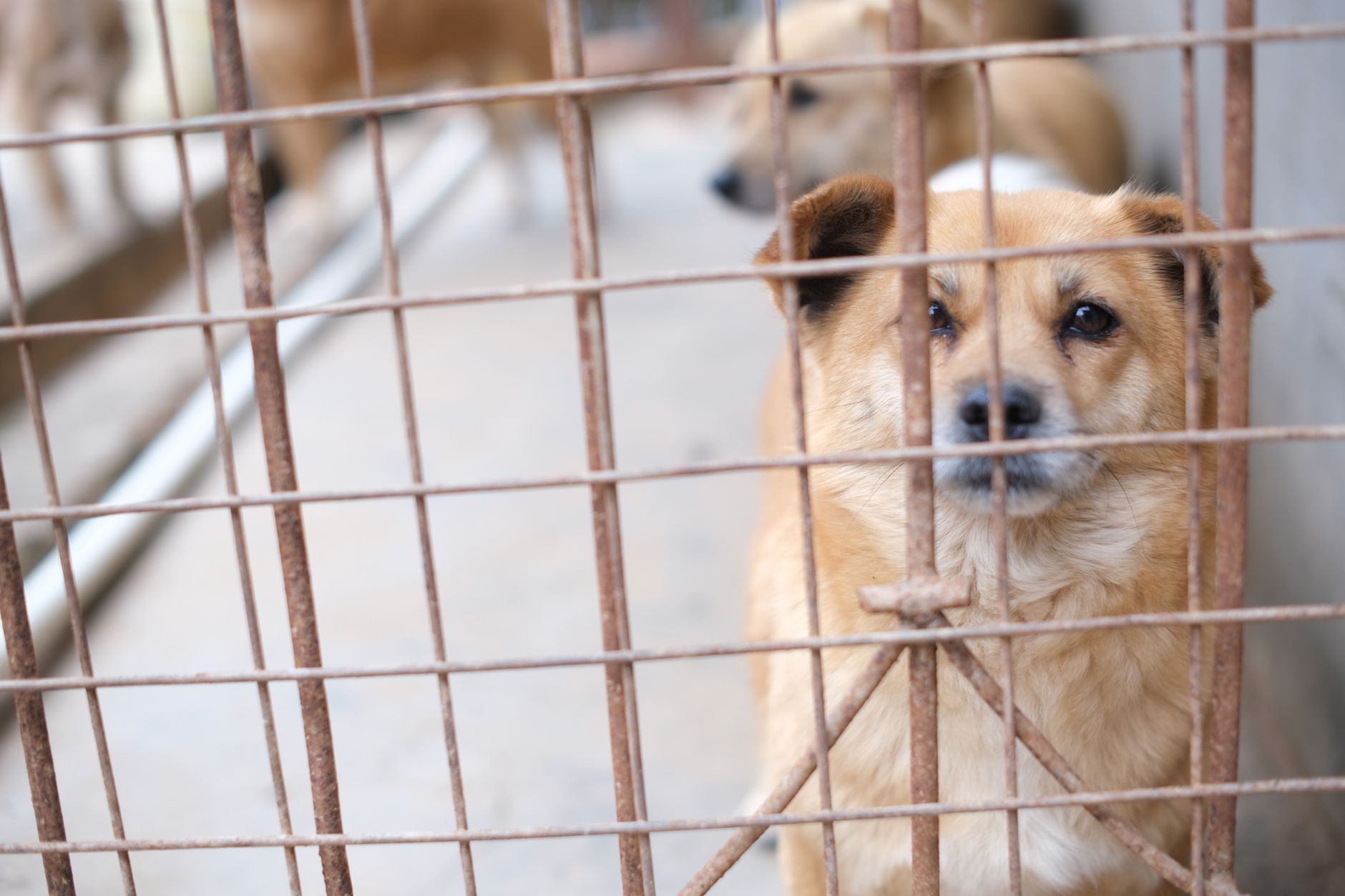
I drive down that county road most weekends now, same as I always did, except I stop at the garage before I even get to the porch. There are usually one or two dogs in those kennels these days, sometimes three, and my father is out there most mornings before the fog burns off the soybean field, filling water bowls, writing a new name on the whiteboard in the same capital letters he’s used my whole life.
He still keeps the ledger. Every entry still has a minus sign in front of it, and he still doesn’t want anyone reimbursing him for a dime of it, though the church has started quietly taking up a little each month anyway, folded into an envelope and left in his mailbox the way people do things in a small town when they’ve decided to help somebody who won’t ask for it directly.
What strikes me most, six years after we lost my mother and one month after a deputy stood in my father’s driveway with a warrant meant for evidence of cruelty, is how close an entire road full of people came to never knowing the truth at all. If Dean had been a different kind of officer, one who saw dogs in kennels and stopped looking any further, or if my father had been the kind of man who explained himself instead of just handing over his keys, the story might have ended somewhere much smaller and much sadder than it did.
It didn’t, though. The door went up, the light hit that wall of photographs, and eleven years of quiet, unglamorous, unpaid kindness stood there in the open for anyone willing to actually look at it.
My father never set out to prove anything to Lois, or to Dean, or to me. He was just trying to keep loving my mother the only way he had left, one gray-muzzled dog at a time, in the extra room she never got to fill herself.
He’s filling it now. Every single day.
This story is a dramatization. Names, characters, and details are invented, and any resemblance to real people or events is coincidental.