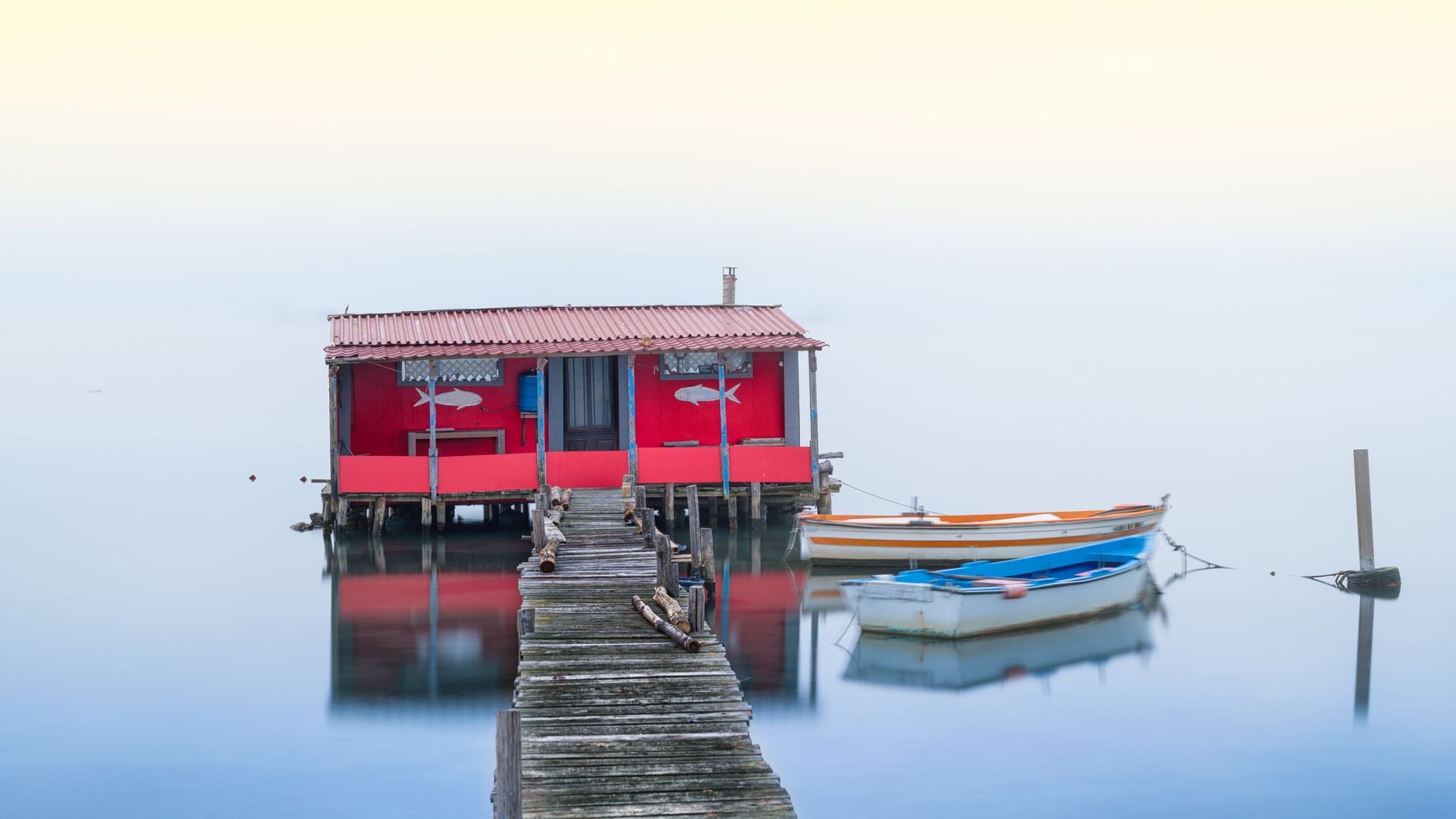
The Lodge My Mother Left Me
I grew up behind the front desk. I learned to make a bed with hospital corners before I learned long division. I know how to gut a walleye, split a bundle of firewood evenly, and talk down a guest who thinks the Wi-Fi should reach all the way to the dock. This place isn’t a memory to me. It’s the only home I’ve ever fully understood from the studs out.
When my mother was diagnosed with ovarian cancer, I was twenty. I finished my hospitality degree at Ferris State two years early so I could come home and help her run the place while she was well enough to still enjoy it. We had two good years. We had a hard, short final one. She died in October, the same week the last cabin gets winterized every year, which felt like something, even though I know it was only ever the calendar.
She was buried out of First Lutheran on a Tuesday. Half the county came. The fellowship hall potluck afterward ran out of folding chairs before it ran out of casseroles, and three different VFW members in their good jackets took turns telling me stories about a woman who used to keep a percolator running at the shop for anyone who needed to sit a minute, paying customer or not. That is who my mother was to this town. Not a business owner. A fixture.
The Town That Watched Me Grow Up
Birch Lake Lodge was never a business that existed apart from the town around it, and that matters to how this whole story ends, so I want to say a little about the place before I go further.
Loon Harbor is the kind of town where the high school football team plays under lights my grandfather helped pay for with a bait shop fundraiser in 1978, and where half the bleachers on a Friday night in October are people who’ve rented a cabin from us at some point in the last thirty years. The county fair sets up two miles down the road every August, and my mother used to close the lodge kitchen early on fair nights so the whole staff could go watch the tractor pull together. The Hendricks family runs the cherry orchard bordering our north property line, and every July their kids still show up at our dock with crates of sweet cherries to trade for a canoe rental, the same arrangement their grandparents struck with mine.
None of that shows up on a spreadsheet. It’s not the kind of thing you can put a dollar value on in a comp account. But it’s the reason half the county reacted to what happened that Saturday the way they did, because Birch Lake Lodge was never just Sylvia’s inconvenience or my inheritance. It was a place people had actually built their summers, their reunions, and their memories of my mother around, and most of them had a rough sense, long before I did anything about it, of who that place actually belonged to in every way that mattered except the one written down at the courthouse.