The Daughter Who Owned The Room
The Reservation
Table twelve. Party of six. Seven thirty. Under the name Colby.
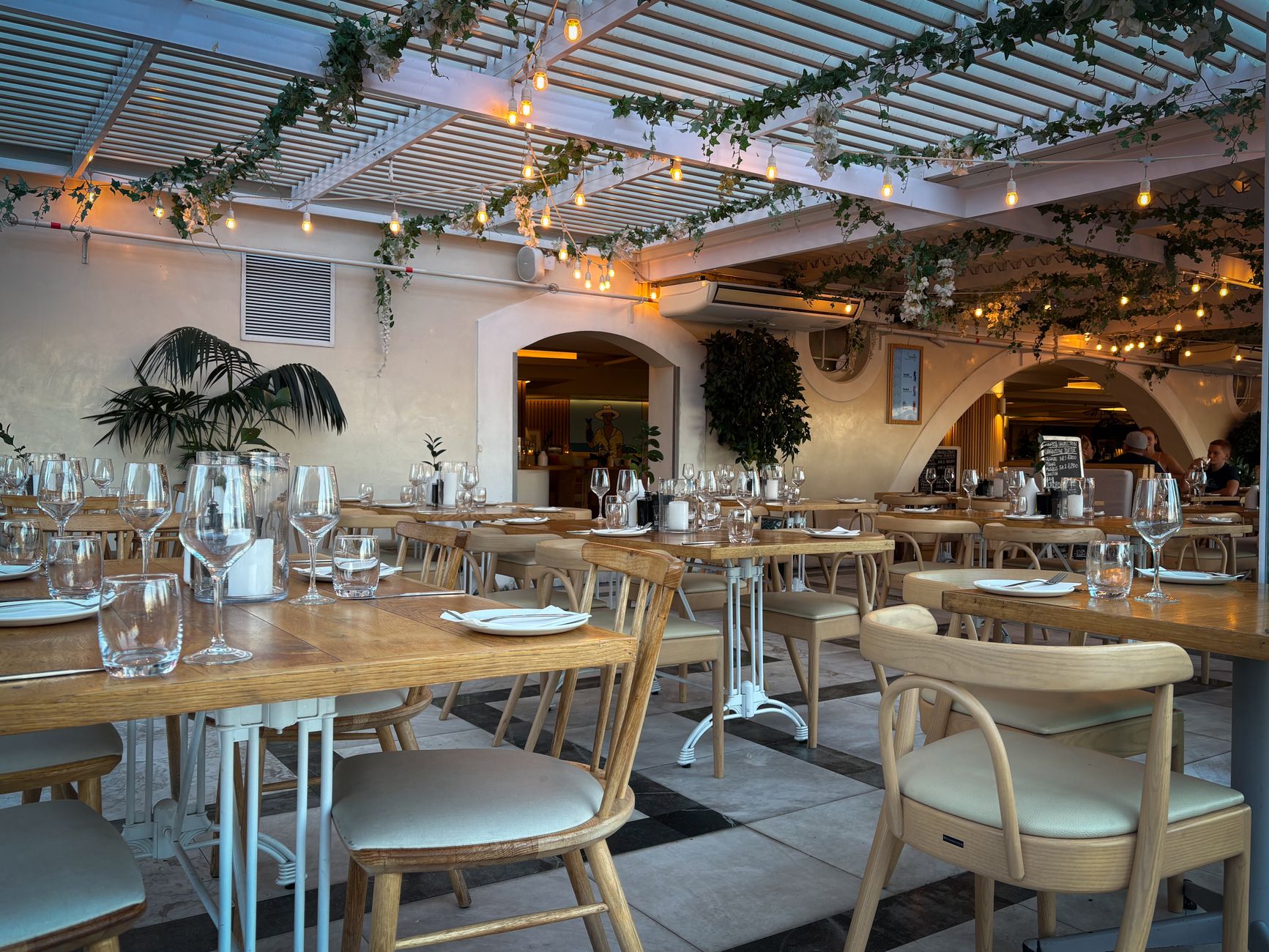
My own last name, sitting there in the book like it had wandered in off the street. I scrolled up to the notes the hostess had typed in when the call came through two weeks earlier: birthday celebration, thirtieth, please have something special for the guest of honor.
There is only one thirty year old in my family, and it is my younger sister, Sherri.
I stood at the host stand with my phone in my hand for a long moment before I called Lynn, my general manager and the closest thing I have to a business partner, since she was the one who believed in this place enough to walk away from a hotel group job and help me build it from studs and drywall.
“My family booked table twelve,” I told her. “Tonight. My sister’s thirtieth.”
There was a pause on the line long enough that I could hear the ice machine behind her drop a load. “Did they know it was your place when they booked it?”
“I don’t think so. I think they just wanted the best restaurant in Charleston for a party of six, and somebody Googled it, and here we are.”
“So don’t go out there,” Lynn said. Not unkindly. Just plainly, the way she says most things. “Let me run the floor tonight. You stay in the office, you stay in the kitchen, you let the night happen without you in it.”
I told her that made sense. I meant it when I said it.
That was the last sensible decision I made that night.
Where I Come From
To understand why I couldn’t stay in the kitchen, you have to understand where I grew up, because none of this makes any sense from inside a city.
I was raised two and a half hours inland, in a farm town so small the welcome sign and the goodbye sign are close enough to read at the same time if you’re going the speed limit. My father, Bob, ran the local feed and hardware store his own father had started, the kind of place where men stood around the counter arguing about weather and diesel prices while their wives were two aisles over comparing canning jars. We went to the same clapboard Baptist church every Sunday of my childhood. We ate at the same scarred kitchen table every Sunday after, my mother’s she crab soup on the stove even though we lived nowhere near the coast, a recipe her own mother, my grandmother Dorothea, had carried inland from a summer spent cooking in a Charleston boarding house sixty years before any of us were born.
My mother made that soup like it was scripture. She made it for church potlucks and funeral receptions and the Friday night table after home football games, when half the county seemed to end up in our kitchen smelling like stadium popcorn and cold air. She made it the week she died, propped on a stool because the chemo had taken most of her strength, insisting I write down every measurement because I “never did trust my own hands enough.”
I trusted them plenty. I just didn’t trust anyone in my family to notice.
Sherri was the daughter people noticed. Four years younger, born glowing, the one who got the school announcements and the homecoming court and my father’s whole undivided attention every time she walked into a room. I was the quiet one, the one who liked being in the kitchen instead of at the table, the one my father called “the practical one” in a tone that always sounded like a consolation prize. When I told him at twenty two that I wanted to go to culinary school instead of taking over the bookkeeping at the feed store, he told me I was wasting a good, steady future on “a hobby with an apron on it.”
I left for Charleston eight months after my mother’s funeral. I did not ask permission. I have not, until that Friday night, needed his approval for a single thing I have built since.