The Boundary Line My Neighbor Erased
Two Acres and a Man Named Lance
To explain why an empty strip of dirt hit me the way it did, you have to understand what building that fence cost, and it was not money.
My husband and I bought this place eleven years ago, back when the lot next door sat empty and the whole road felt like it belonged to nobody but us and the deer. We had spent most of our thirties in an apartment complex off Airport Boulevard in Mobile proper, close enough to hear the interstate at night, and we made ourselves a promise that by the time we hit our forties we would own something with room to breathe. Two acres of scrub pine and red clay outside the city limits was not glamorous. It was ours.
We built the house first, small and square and honest. The fence came two years later, the summer my brother Lance drove down from Washington County most Saturdays to help, because my husband had a bad shoulder and I had never operated a post hole auger in my life and neither of those facts were going to stop us.
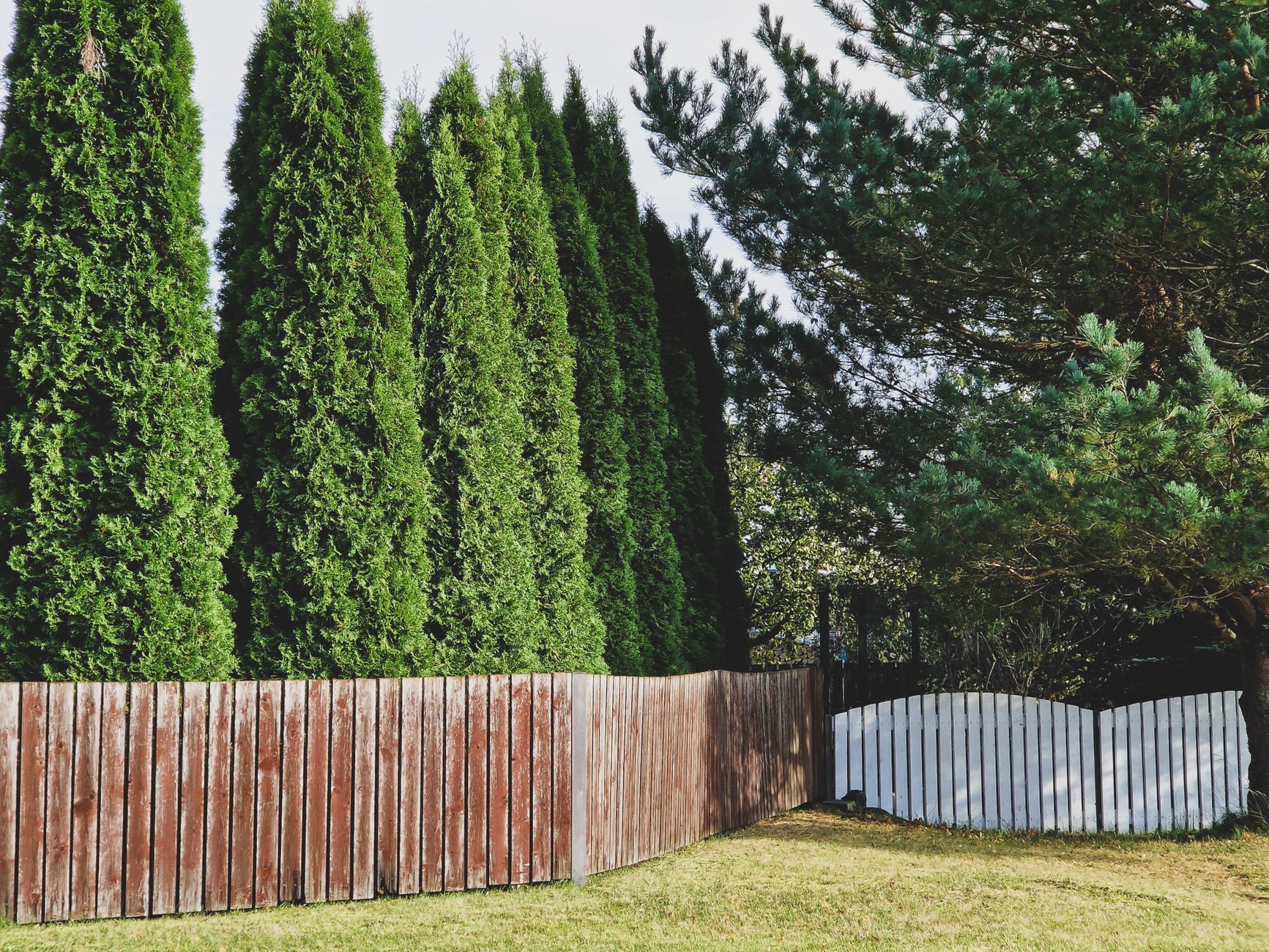
I remember the two of them arguing over string lines in the July heat, gnats thick enough to chew, and I remember the sound the auger made when it hit a root and nearly threw my husband on his back. Lance laughed so hard he had to sit down in the dirt. By the time we finished, six feet of pressure treated pine ran the full northern line of our property, two hundred and ten feet of it, posts set every eight feet in concrete because my husband did not believe in doing a thing twice.
We would sit on upside down buckets when the light went orange and drink the cheapest beer the Piggly Wiggly sold, and my husband would say the same thing every time, that a man’s fence line was the one sentence nobody else got to finish for him.
This part of the county is the kind of place where a fence line means something because everything around it means something too. We are ten minutes from a Baptist church that still holds a potluck the third Sunday of every month, long folding tables of squash casserole and banana pudding under a metal roof that pings when the rain starts. We are fifteen minutes from a VFW hall where my husband played dominoes on Friday nights with men who had known this land longer than the county had bothered to pave the road to it. In the fall, half the town closes up early to watch the high school play under lights you can see the glow of from our porch if the sky is clear. People out here still wave from their trucks. They still bring a casserole when somebody is sick and show up with a chainsaw when a storm drops a tree across your drive. And they still, without exception, know exactly where their own property ends and somebody else’s begins, because in a place this small, a boundary line is not an abstraction. It is the difference between a good neighbor and a long memory.