The Truck That Cost Them The House
The reason she didn’t trust them
I did not fully understand why my grandmother had built her trust so narrowly, so specifically around me and no one else, until I was old enough to piece together a few things nobody in my family liked to talk about directly.
When I was fourteen, my father co-signed a loan for his brother, my uncle Rob, to buy into a used car lot outside Van Buren. It failed within eighteen months, the way those things tend to, and rather than let the bank take the shop equipment, my father quietly drained a joint savings account that had been sitting untouched since before April was born, an account our grandfather had started for “the girls’ someday,” to cover the difference and keep his brother’s name clean at the bank. My mother found out only after the fact, and the fight that followed was loud enough that the neighbors mentioned it to Dixie before my parents ever did.
A few years later, a small settlement came through after a fender bender that had put April in a neck brace for a month. The insurance check was made out with April’s name on it, meant for the orthodontic work her jaw needed afterward. My father cashed it and put most of it toward a bass boat he’d been wanting for two seasons, telling anyone who asked that April’s teeth “would keep.”
Dixie never confronted him about either of those things directly, at least not that I ever heard, but she started asking careful, pointed questions at every family gathering after that, about who was managing what and where the money for this or that had actually come from. By the time she sat down with Jerry to write her own will, she had clearly made up her mind about who in this family could be handed money and trusted to spend it the way it was meant to be spent, and who could not.
I said no.
One word. The whole room changed shape around it.
The moment everything turned
My mother’s face went the color of the underside of a fish belly. April started crying, fast, the kind of crying that starts exactly on cue and could stop just as fast if the wind changed, and I had seen that particular performance enough times growing up to recognize it instantly, even through the fear that was already climbing up my spine.
My father stood up from where he’d been leaning against the mantle.
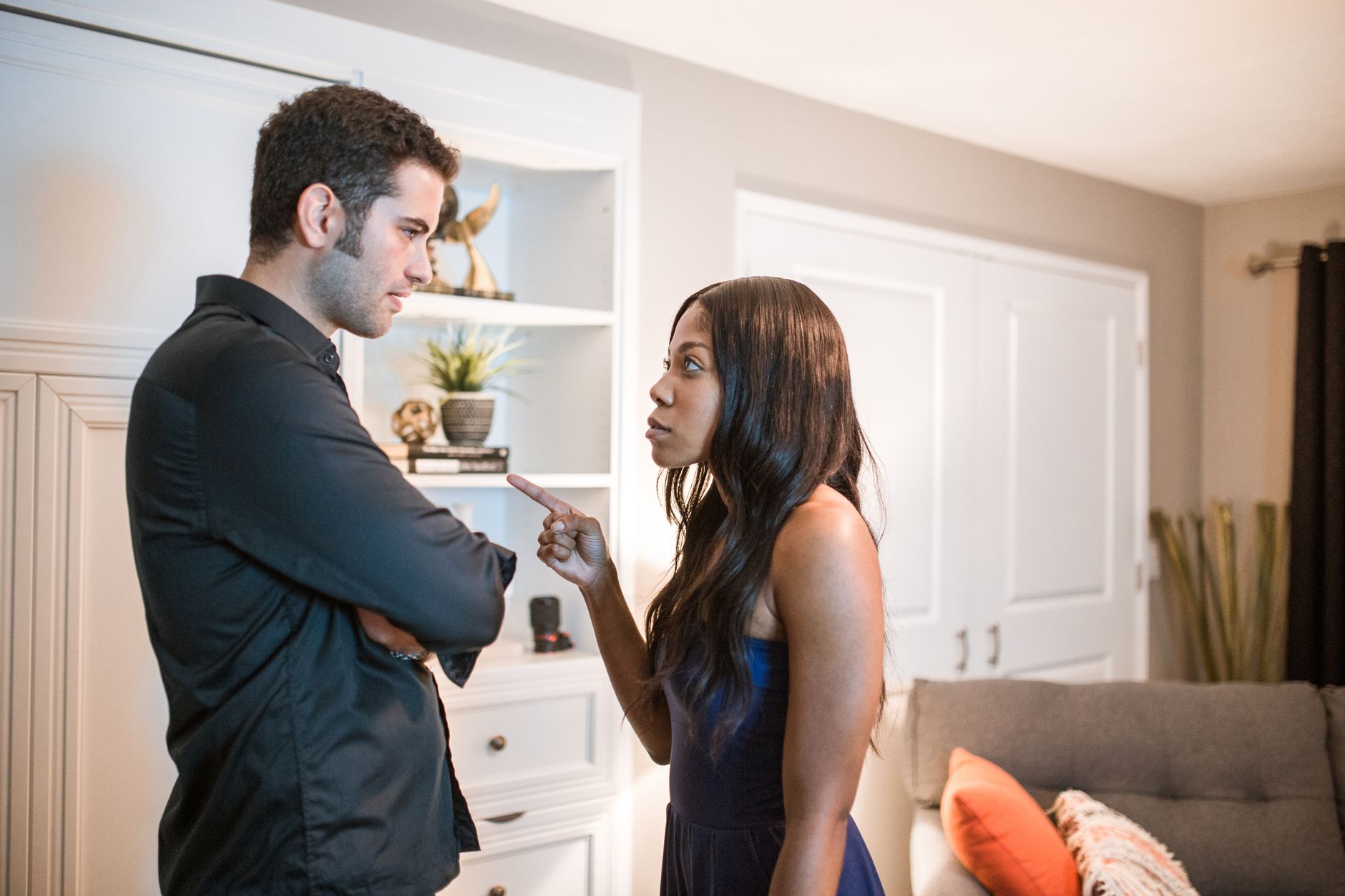
“You’re really going to do this to your sister,” he said. “On her birthday.”
“It’s not mine to give away,” I said. “Grandma Dixie was specific. It’s for school. It’s for a place to live. It’s not for a truck.”
“That trust exists because of this family,” he said. “Everything that woman had, she had because of this family.”
That was not true, and some small, steady part of me knew it was not true even as my pulse climbed into my ears, but I did not get the chance to say so.
I am not going to walk through every second of what happened between the living room and the kitchen doorway. Some of it I do not remember cleanly, and some of it I choose not to put into words, because it belongs to me and not to anyone reading this. What I will say is that my father closed the distance between us faster than a man his age with bad knees should have been able to move, and that I ended up against the corner of my mother’s china cabinet hard enough that the glass in the top door rattled in its frame, and that I do not remember the next few seconds in order, only in pieces. A raised voice. Something falling. The carpet under one side of my face.
My mother’s voice, close to my ear, low and even, the way you’d talk to someone you were trying to keep quiet rather than someone you were trying to help.
“Don’t make this bigger than it is,” she said. “If people hear about this, it will be embarrassing for everybody.”