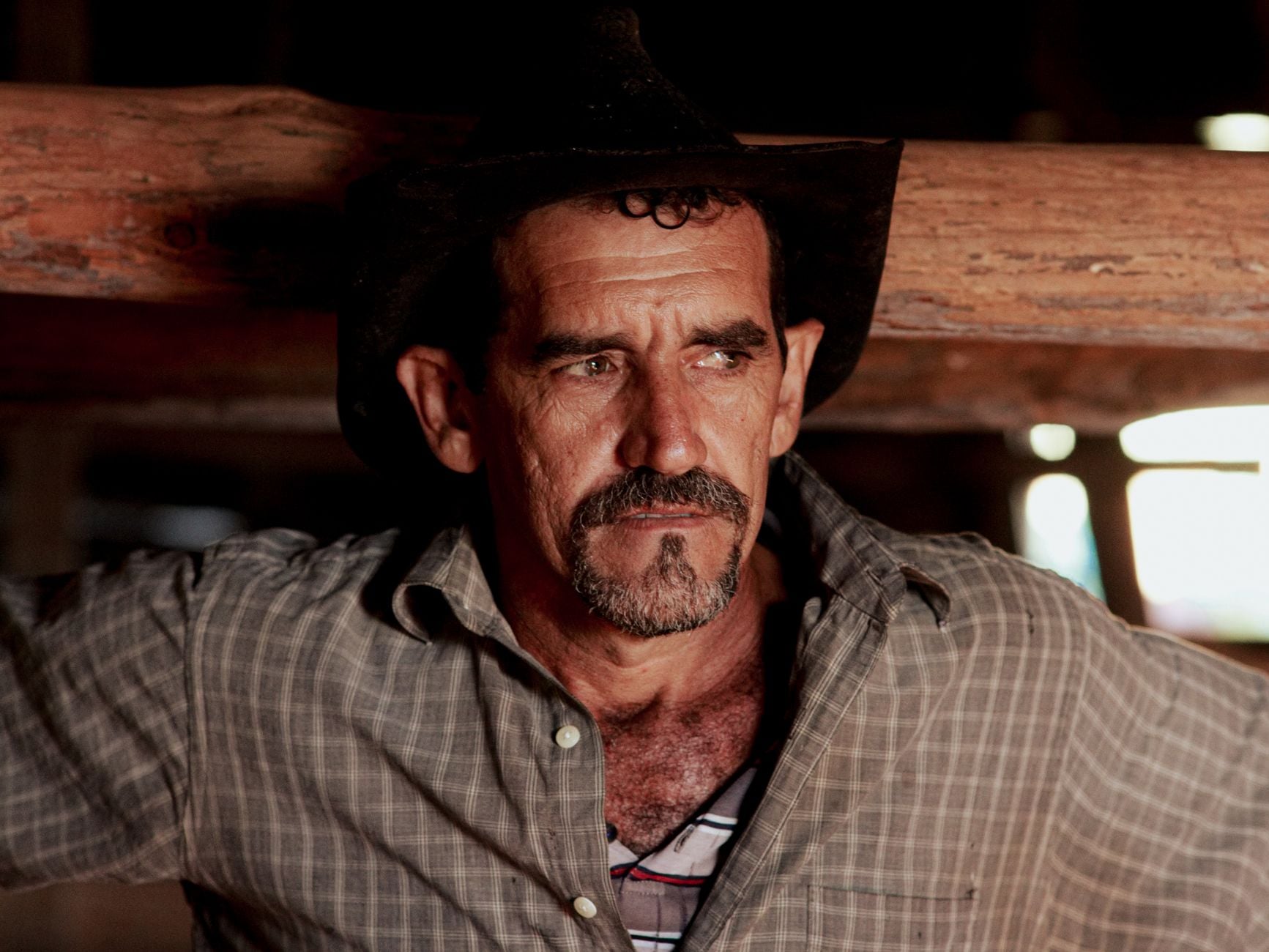
The Deed I Almost Signed Away
Never let your face show it
I sat there with the phone in my hand while my own kitchen turned into something staged. The mums. The sunlight on the clean counter. My wife humming a hymn at the sink. All of it too neat, too arranged, like a room somebody set up for me to walk into.
“Walt?” Carol turned around, shears still in her hand. “Who was that? You’ve gone white.”
I had spent forty years farming ground that tried to ruin me a dozen different ways. Hail in June. Beans at four dollars. A bank in Harlow that would smile at you while it called your note. A man learns something in a life like that. He learns to keep his face flat until his head has caught up with his gut.
So I set the phone down soft and kept my voice level.
“Feed store,” I said. “Prewitt over at Norwood thinks one of his boys grabbed a couple of my folding tables by mistake and I want to run get them before they walk off for good.”
I do not know where the lie came from. It just came, smooth, the way the truth never does.
Carol’s eyes narrowed for half a heartbeat.
The day before, I would not have caught it.
That morning I did.
“Don’t go getting worked up over folding tables,” she said, sweet as anything. “You know what the doctor said about your pressure.”
I gave her about a quarter of a smile.
“I’m fine, hon.”
But when I picked my keys up off the hook by the door, I already knew. Whatever Gary Prewitt had found on that tape was about to take my family apart at the seams, and there would be no putting it back the way it was.
What half a life buys you
You need to understand the ground first, because the ground is the whole story.
The Coleman place sits four miles north of Harlow on a gravel road most people only drive if they are lost or if they are kin. My grandfather bought the first eighty acres in 1919 with money he made shoeing horses and never paid interest on a nickel of it. My father added the next section. I added the rest, quarter by quarter, over thirty years, every acre bought with corn I raised myself and paid off before I bought the next.
By the time Kyle was grown, the whole two hundred and forty was clear. No note. No lien. Nothing owed to anybody. In this county that is not a fortune the way a city man thinks of a fortune. But it is a thing that does not exist anymore, a piece of land that belongs, free and clear, to the family that works it.
Kyle was our only one, and the whole line ran through him. He was a good kid and a soft one. Not soft in a bad way. Soft the way a man is when he has never once had to wonder if the people around him mean him harm. He handed his heart to anybody who was kind to him for ten minutes. I used to lie awake worrying about that, the way you worry about a calf that walks right up to a stranger.
Carol I married when I was thirty-one, down at the Methodist church in Harlow. She came from over in Ada County, and her people were gone by then, one sister she said she did not speak to. She never talked much about any of it and I never pushed. I married her for the way she laughed and the way she could make a house feel like a place you wanted to come home to.
For thirty-four years I thought I knew that woman better than I knew the back forty. The hardest part of this whole thing is not what Carol did. It is that I never once saw it coming, and I am a man who prides himself on seeing things coming.