
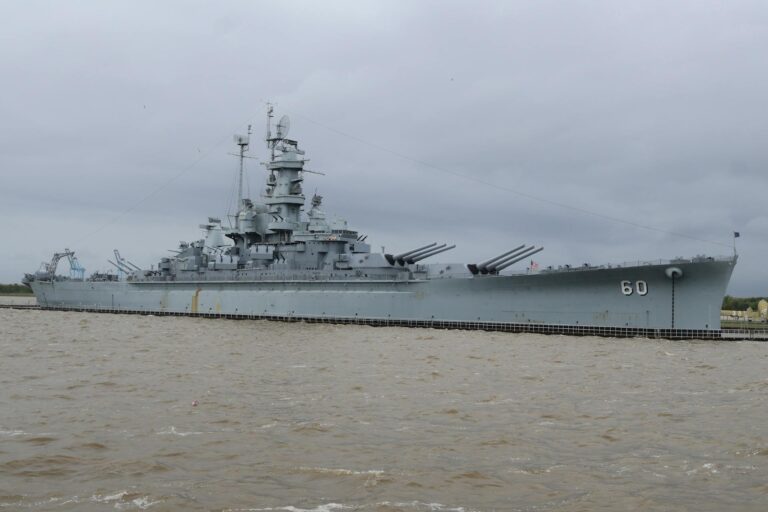
Operation Epic Fury. That’s what the Pentagon decided to call this. On Saturday the United States and Israel launched a joint military strike on Iran and killed Supreme Leader Ayatollah Ali Khamenei. They hit over a thousand targets. Twenty-four of Iran’s 31 provinces. The whole thing is now spilling across the Persian Gulf in ways that I don’t think anyone in Washington fully gamed out before the first bomb dropped. Three American service members are dead as of Sunday evening. Five more seriously wounded. Trump went on camera and said there will likely be more. Just like that. Matter of fact.
I have covered a lot of foreign policy stories and I’m trying to think of the last time a decision this massive was made with this little public setup beforehand. I can’t find one. There was no address to the nation before it started. No vote in Congress. No months of buildup the way Bush did before Iraq. The strikes just started happening and then everyone found out about it after the fact. That part alone is worth sitting with for a minute.
So here’s the timeline as best I can piece it together. The US and Iran had been going back and forth through indirect nuclear talks. Oman was mediating. There was a round on Thursday and people coming out of those talks described them as positive. Positive. Then Saturday morning the bombs started falling. Apparently intelligence showed that Khamenei was going to be at a specific meeting with senior officials and the window was there so they took it. Israel’s calling their side Operation Roaring Lion. They hit a compound right in central Tehran. Iranian state TV confirmed Khamenei was dead and the news anchor reading it out was crying on air.
That by itself would be one of the biggest geopolitical events in decades. But it didn’t stop there. Not even close.
Iran hit back and they hit back everywhere. The IRGC went after 27 different military bases across the Middle East where American troops are stationed. Missiles landing near the Navy’s 5th Fleet headquarters in Bahrain. Explosions going off in Dubai and Abu Dhabi and Doha and Erbil and across Israel. Nine people killed near Jerusalem. Over a hundred injured in Israel. Iran’s Red Crescent is saying 201 dead inside Iran and 747 injured though I should note nobody has independently verified those numbers yet. Tel Aviv took building damage. A fire started at Jebel Ali port in Dubai which if you don’t know is one of the busiest shipping hubs on the planet. There are reports that haven’t been confirmed about a drone hitting RAF Akrotiri on Cyprus which is a British base. And Iran said it’s closing the Strait of Hormuz.
Get a new story in your inbox every morning.
Facebook doesn’t show you every story we post. Our free newsletter does. Join 2,500+ readers.
I want to be really clear about something. This is not a targeted strike that stayed contained. This is a regional war and it is actively getting bigger while I’m writing this.
The thing that won’t stop bothering me is the congressional authorization question. Or I guess more accurately the fact that there isn’t one. When Bush took the country into Iraq there was a vote. People can argue forever about whether the intelligence was real or whether the decision was right but there was a process. Months of public debate. A formal authorization. This time? Nothing. The strikes started and Congress found out the same way the rest of us did. Jonathan Martin over at Politico said on Meet the Press this morning that not having public buy-in upfront creates political problems if the war drags on. I think he’s underselling it. I think it creates constitutional problems. Real ones.
The administration’s framing is that this finishes something that started a long time ago. And look there is a timeline that supports that reading. Israel and Iran have been in direct confrontations that keep escalating since 2024. There was a 12-day war in 2025. US strikes on nuclear facilities. A month and a half ago Iran killed thousands of its own civilians during the biggest protests the country had seen since the Islamic Revolution. Trump said help was on the way. So yes there is context and history here. But context is not a legal authorization for war. Those are two very different things.
Now here’s the part where I start losing the thread on what the actual plan is. Trump said Sunday that combat operations continue “until all of our objectives are achieved.” Ok. What objectives? He didn’t say. Is this regime change? Because he literally looked into a camera and told the Iranian people to take over their government. Said it would probably be their only chance for generations. Netanyahu said they’re removing the existential threat of the Iranian regime. I don’t know what else you call that other than regime change. But nobody will use those exact words because once you say regime change out loud you own the aftermath and the aftermath is where every one of these things falls apart.
I went back and looked at early Iraq War coverage because I couldn’t help myself and honestly the comparison made me more nervous not less. In 2003 there was at least a theory for what comes after. It was a bad theory. Catastrophically wrong as it turned out. But it existed. Someone had written it down. Someone had stood at a podium and explained it. I have not heard a single person in this administration explain what post-Khamenei Iran is supposed to look like. Who fills the vacuum. How you keep the country from fracturing into something worse than what was there before. Nobody.
And the situation inside Iran right now is like nothing I’ve seen described before. Khamenei had been Supreme Leader since 1989. That’s 37 years. Some kind of interim council is apparently taking over but they’re doing it while their country is being bombed. Think about that for a second. Videos came out showing people in multiple Iranian cities celebrating Khamenei’s death. Security forces shot at some of them. In southern Iran a crowd toppled a monument to Ayatollah Khomeini. Meanwhile Reza Pahlavi who’s the exiled son of the former Shah is calling this a humanitarian intervention from outside the country and telling people to get ready for protests. Iranian diaspora communities held celebrations around the world.
So you’ve got a country that is simultaneously under bombardment, mourning its leader, celebrating his death, and trying to figure out who’s in charge now. I don’t have a word for what that is other than volatile. Anything can happen. Anything.
The economic piece is already bad and getting worse fast. Closing the Strait of Hormuz threatens something like 20 percent of the world’s oil supply. That’s not a hypothetical anymore. Iran said they’re doing it. Jebel Ali port in Dubai took damage and that port handles an enormous amount of global trade. Qatar is getting hit with Iranian missiles and Qatar hosts major US military installations. These Gulf states spent decades turning themselves into global commerce centers and now they’re absorbing direct military strikes. Energy markets haven’t even fully priced this in yet.
Here’s what I think a lot of the instant analysis is missing. The hawks in the Republican Party won this argument. Lindsey Graham has wanted this for years and he got it. But getting the strike you wanted is a completely different thing from managing what happens on day 30 or day 90 or a year from now. Midterms are coming in November. Republicans were already looking shaky on kitchen table issues and affordability. If this turns into a long war with American casualties adding up and gas prices going through the roof and no one able to explain the exit strategy? That political math changes in ways I don’t think the people who pushed for this have thought through. Or maybe they have and just don’t care. I honestly don’t know which is worse.
Trump told the Daily Mail the war would take four weeks. Four weeks. Every modern American military engagement in the Middle East has lasted longer than the initial promise. I’m not being cynical that’s just the historical record. Every single one.
Britain agreed to let the US use its bases for what Starmer is calling defensive strikes. He was very specific about saying the UK was not part of the initial attack and won’t join offensive operations. He said they learned the lessons of Iraq. Whether you can let someone launch strikes from your bases and still claim you’re not involved is a question I think reality is going to answer for him pretty quickly. Especially with that unconfirmed report about a drone hitting Akrotiri.
One more thing and then I’ll stop. Twenty thousand people affiliated with Islamic State are reportedly unaccounted for in the regional chaos right now. Twenty thousand. Nobody has a plan for that.
I keep circling back to the same question and I can’t get past it. What is the theory for how this ends? Not the strikes. The strikes are overwhelming. Over a thousand targets in two days. Air superiority established. Fine. But what happens when the strikes stop? What does the day after look like? I haven’t heard anyone with the authority to answer that question actually answer it. And I’m including myself here because I don’t have one either. But I’m also not the one who gave the order.
If you drive or pay energy bills: Iran’s declaration to close the Strait of Hormuz threatens roughly 20 percent of global oil supply. Prices at the pump will move fast if the closure holds.
If you follow markets or supply chains: Jebel Ali port in Dubai took damage. Qatar, which hosts major US military bases, is absorbing Iranian missile strikes. The Gulf states that anchor global trade are now active conflict zones.
Bottom line: The war started without a public plan for how it ends. Until that changes, the economic and geopolitical uncertainty is the story – not just the strikes themselves.
Works Cited
- Center for Strategic and International Studies. “Operation Epic Fury and the Remnants of Iran’s Nuclear Program.” March 2, 2026. csis.org
- LiveNOW from FOX. “Live Updates: Joint US-Israel Military Offensive Operation Epic Fury.” March 2, 2026. livenowfox.com
- CBS News. “Trump Says Iran Operation Could Take Four Weeks or Less, 3 U.S. Troops Killed.” March 1, 2026. cbsnews.com
- Iran International. “Trump Says Iran Wants Talks, Suggests War May Last Four Weeks.” March 1, 2026. iranintl.com
- Britannica. “2026 Iran War.” Updated April 7, 2026. britannica.com
- Flashpoint. “Escalation in the Middle East: Tracking Operation Epic Fury Across Military and Cyber Domains.” March 2026. flashpoint.io