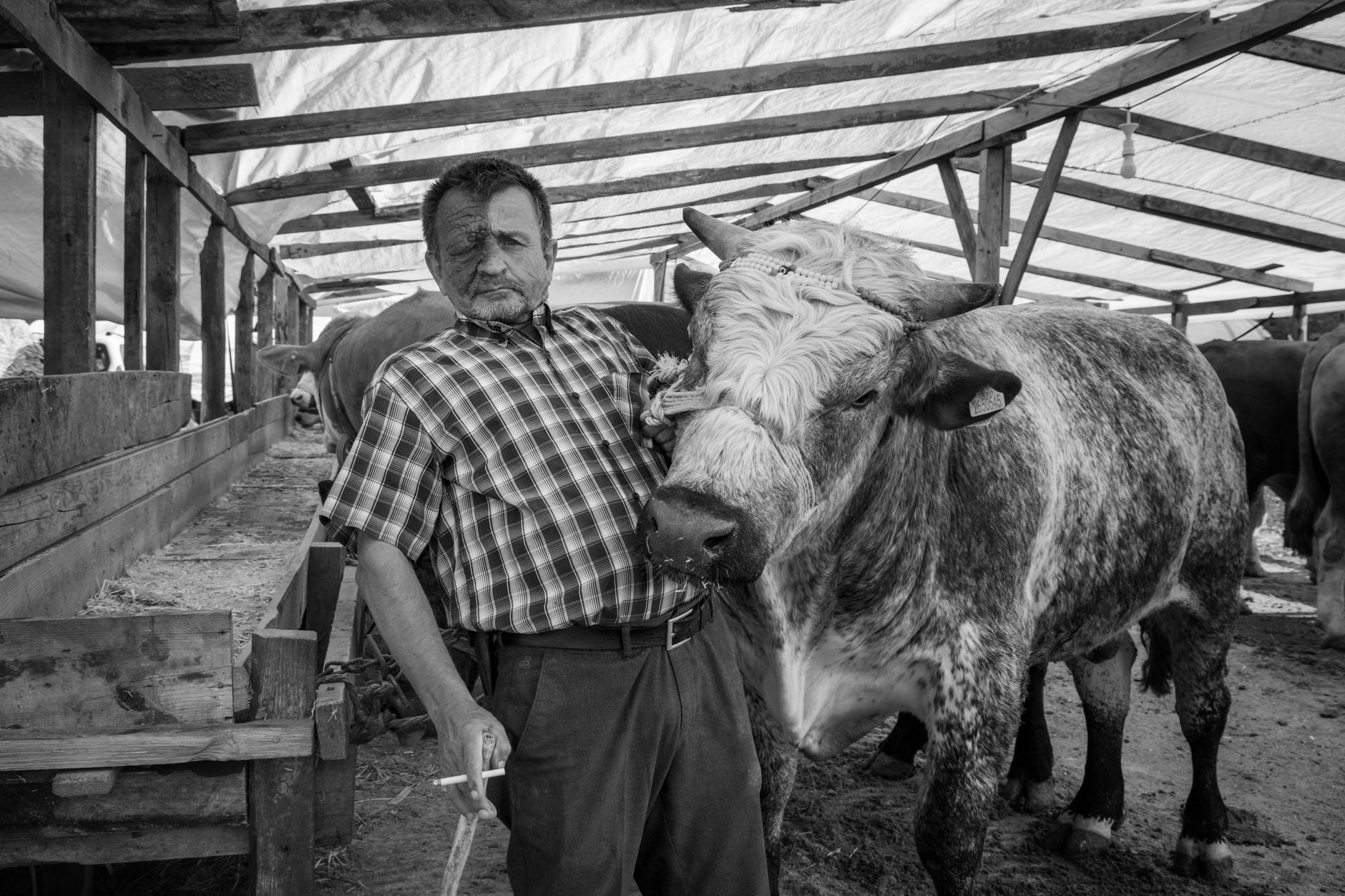
The Steer Money Was Always Hers
Tonya set the meatloaf down in the middle of the table, sat, folded her hands, and said it the way you would say the weather was turning.
“Kenzie, I think you should give Brooklyn your steer money for a car.”
Nobody picked up a fork. The kitchen clock over the stove kept going, and the furnace kicked on for the first time that fall, that dusty smell of the first cold night in northwest Iowa.
“It’s twelve thousand dollars just sitting in the bank,” Tonya went on, quiet and reasonable. “Brooklyn needs a way to get to school and work. We’re one family now. One family shares.”
My daughter Kenzie was seventeen. She had her elbows off the table the way her mother taught her, and her hands went flat on either side of her plate like she was holding the table down.
Across from her, Brooklyn, sixteen, went red from her collar to her hairline. She did not look at her mother. She looked at the salt shaker as if there was something written on it.
I want to say straight off that I did not raise my voice.
I am forty-eight years old and I sell seed corn and soybeans for a living, and most of my job is sitting at kitchen tables while people say hard things.
“We’ll talk about it later,” I said. “Let’s eat while it’s hot.”
“There’s nothing to talk about,” Tonya said. “It’s just sitting there, Matt. Kenzie has a truck. Brooklyn has a bus pass she can’t use on Saturdays because there isn’t a bus.”
Kenzie set her napkin down. “May I be excused?”
“You haven’t eaten,” Tonya said.
“I’m not hungry, ma’am.” She said ma’am. She always said ma’am to Tonya, and I never knew if it was manners or a wall.
She took her plate to the counter, covered it with foil, and went upstairs.
Brooklyn said, very low, “Mom, I never asked for that.” Tonya patted her hand and said, “I know you didn’t, honey. That’s why I’m asking for you.”
We ate the rest of that supper in a silence so thick I could hear the dog’s tags on his water dish out in the mudroom.
Brooklyn ate four bites and asked to be excused too.