The Long Drive to Bring Grandma Home
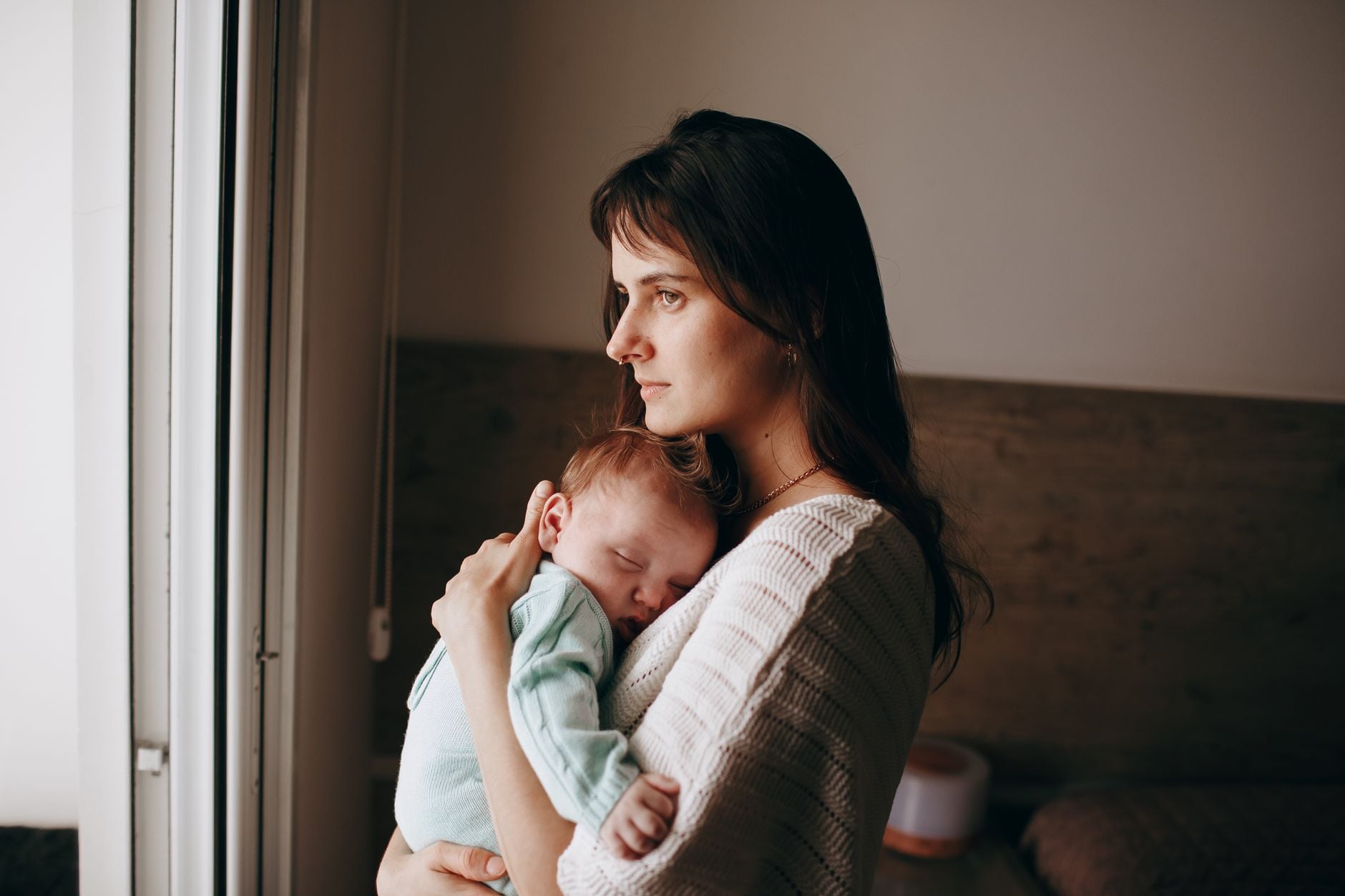
Hazel was asleep on my shoulder, warm and heavy the way only a two-week-old can be, when my husband told me he had canceled my mother’s plane ticket.
“I canceled your mom’s flight,” Travis said. He said it to the coffee maker, with his back to me, while he waited for it to finish its last gurgle.
I thought I had heard him wrong. I had not slept more than two hours at a time since Hazel came home from the hospital, and words were sliding around on me that week.
“You what?”
“It’s too much right now, Jess.” He poured his coffee and finally turned around, but he looked at the baby instead of at me. “We’ve got a lot going on. Maybe in the summer.”
The ticket was $480. Kansas City to Minneapolis and back, one week, a Saturday to a Saturday. I had booked it from the hospital bed the night Hazel was born, with my phone in one hand and a cup of ice chips in the other.
My mother, Barb, was sixty-two years old. She lived alone in a small brick house outside Clinton, Missouri, at the top edge of the Ozarks, and she had never held her only grandchild.
She had seen Hazel on a phone screen exactly nine times. I know because I counted. She cried every single time, and every single time she said the same thing at the end: “Just a few more weeks, and I’ll get to smell her head.”
“Travis,” I said, “she already asked off work. She traded shifts with two people to get that week.”
“I know.” He set his mug down. “I just think we need to figure this out on our own first. The three of us. Before everybody piles in.”
“Everybody is one person. It’s my mother.”
He picked up his lunch box, kissed the top of Hazel’s head, and did not kiss mine. Then he went out to the truck, and I stood in the kitchen of our little house outside Little Falls, Minnesota, listening to the diesel warm up in the cold.
The receipt on the counter
I want to be fair to Travis, because this story is not fair to him in every part, and I know it.
He is a good man. He works twelve-hour shifts as a maintenance mechanic at the plant on the edge of town, and he has never once complained about getting up at four forty-five to do it. He built Hazel’s crib from a kit and then took it apart and rebuilt it because one rail was a sixteenth of an inch off.
But that same week, while I was learning to nurse and sitting on a donut pillow and crying at diaper commercials, Travis spent $1,100 on turkey hunting gear.
I did not go looking for it. The receipt from the farm store was on the counter by the bread box, folded once, the way he leaves everything. A new twelve-gauge, a pop-up blind, three decoys, a box call, a vest with the pockets in all the right places.
Minnesota spring turkey season doesn’t even open until the middle of April. It was the second week of March. There were still two-foot snowbanks at the end of our driveway, gray from the plow.
I stood there holding that receipt with Hazel in the crook of my other arm and did the math nobody needs to do two weeks after giving birth. My mother’s ticket was less than half of a shotgun.
I did not yell. I want to be honest about why. It was not because I was a saint. It was because I had stitches and a baby who ate every two hours around the clock, and I did not have a yell anywhere left in my body.
I put the receipt back exactly where it was, folded once.