The Pantry Door Nobody Voted To Close
The padlock was brass and brand new, and the price sticker was still stuck to the hasp.
I stood in the basement hallway of First Baptist Church in Corning, Iowa, at 8:40 on a Tuesday morning in late October, and I read that sticker twice. $6.98. Somebody had driven to the farm store and paid $6.98 to lock a door I had been opening for nine years.
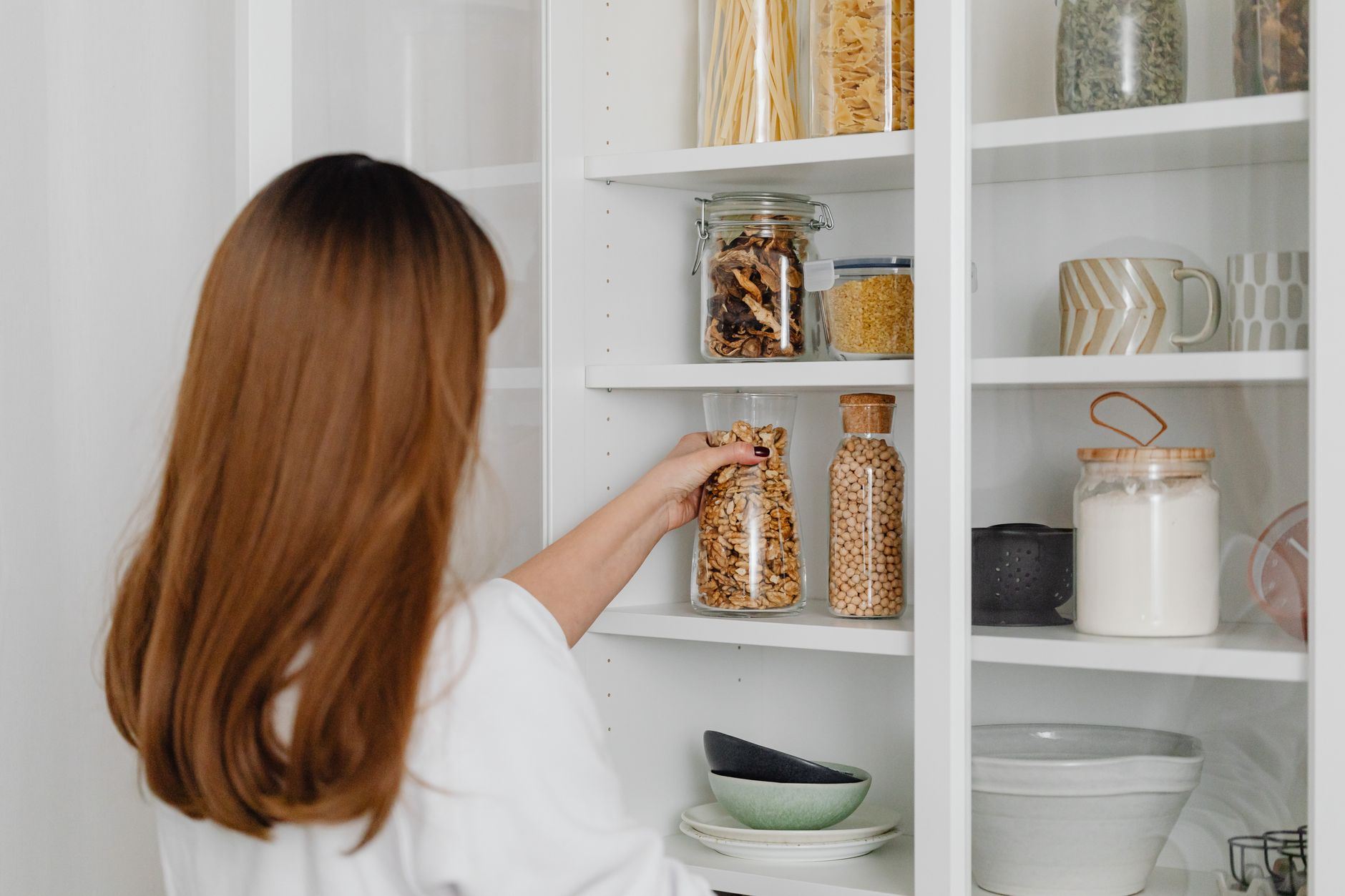
The door belonged to the old nursery. It had its own entrance on the outside, three concrete steps down from the parking lot, so a person could come in out of the weather without walking past the sanctuary. The year before my husband died, Alvin built eight feet of shelves in that room, two-by-fours and plywood bolted to the cinder block, because the Lions Club harvest cans were piling up in the church kitchen and he said a church ought to have somewhere to put what it was given. He was gone by March. The week after the funeral I carried in the first cases myself, because I could not stand to walk past an empty room he had made with his own hands. Wally Odom came down the stairs that Tuesday in his shirtsleeves and carried in the rest. I remembered that, standing in the hall with the sticker in front of my face.
Through the narrow window in the door I could see the shelves were half full. Thursday’s truck was two days off. Everything we had left was on the other side of the glass.
Six cars sat by the three concrete steps with their engines running against the cold, waiting for nine o’clock.
“Mrs. Ostrander?”
Jolene Marsh had come down the hall behind me with her little girl on her hip and two folded cloth bags over her arm. Lila is 2 and had a fist in her mouth. Jolene’s husband had driven a truck for the farm co-op until July, and she had the careful, apologetic voice of a woman who has had to ask for things all summer.
“Is it closed,” she said, “or is it just locked?”
“I don’t know yet.”
“Because I can come back. If it’s a day I’m not supposed to be here.”
“It’s your day, Jolene,” I said. “Somebody put a lock on it. That’s all I know.”
I heard keys then, and a coffee cup being set down carefully on a windowsill, and I knew who it was before I turned around.
Wally Odom came down the hall in his work coat with a folder under one arm. He has been the treasurer of our church for 14 years. He is 61, a heavy, tidy man who keeps the books in pencil first and ink second. He is also my late husband’s cousin, and he sat at my table every Thanksgiving for twenty-odd years and told the same joke about the gravy.
He did not look surprised to find me standing at the door. That told me something.
“Marlene,” he said. “I was going to call you.”
“Were you.”
“It’s done. The deacons agreed to it. I didn’t want you to hear it in the hallway.”
“I’m hearing it in the hallway.”
He looked at the floor for about a second. Then he lifted his chin and said it the way he reads a financial report, flat and even, so nobody could say he had raised his voice.
“The room is needed. We’re putting a commercial kitchen and a walk-in cooler into this end of the building, and then we can rent the hall for receptions and showers. It’ll pay for itself in three years. The pantry money is going into the hall project.”