The Valedictorian Spot They Gave Away
Dr. Curt Cantrell slid the page across the conference table with two fingers, the way you pass a bill you would rather not be seen handing over.
“I want to be clear that this is not a reflection on Maddie,” he said.
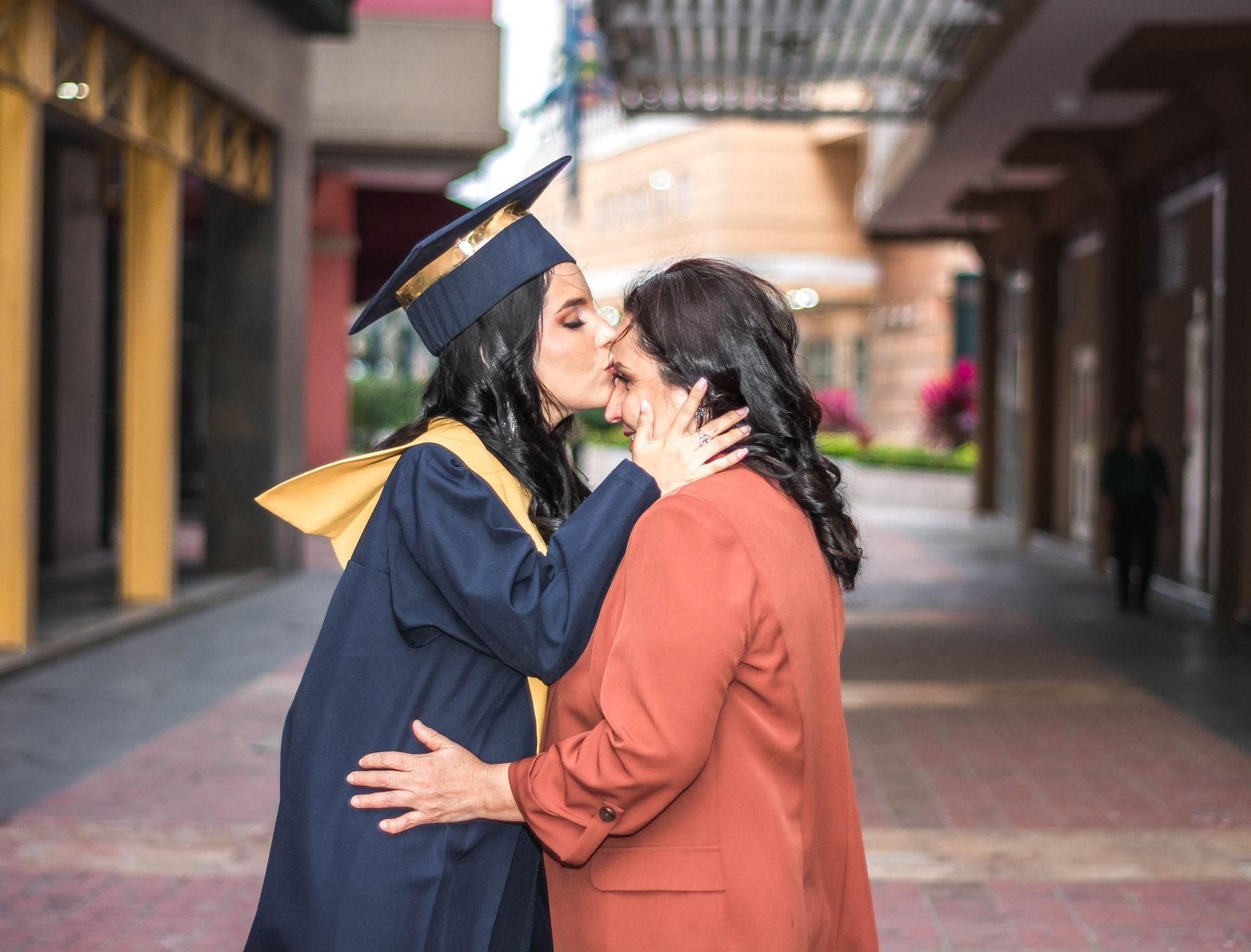
My daughter sat beside me in her cap and gown. She had been fitted at lunch, and the lady from the gown company had pinned a gold cord to her shoulder not an hour before, because the sizing sheet said Kessler, Valedictorian. Maddie had not taken it off. The principal’s secretary had called her out of sixth period, and she had walked down the hall thinking, I believe, that she was about to be congratulated.
The page said Tanner Hale was first in the class of forty-one. It said Madeline Kessler was second.
“The registrar recalculated the weighted averages this week,” Dr. Cantrell went on. “Mr. Hale’s average comes out three hundredths of a point above Maddie’s. It is a calculation. Class rank is not a judgment of anyone’s character.”
“Three hundredths,” Maddie said. Her voice was small and level, the voice she used when she was carrying a full glass.
“That is correct.”
“Last month she was first,” I said. “It was posted in the glass case outside the office.”
“The number today is the number today, Mrs. Kessler.”
Mr. Neff, our principal, studied the grain of the table. In eleven years I had never seen him look at a table so hard.
I did not raise my voice. I asked Dr. Cantrell a question in the tone I use at the Co-op when a man tells me his grain check was supposed to be bigger.
“Is this the final rank? In writing?”
“The letter is attached.” He tapped it. “It has my signature.”
“Then I’ll keep it.”
I folded the page in thirds, put it in my purse, and stood up. Maddie stood up with me. At the door she turned and said, “Thank you for your time, Dr. Cantrell,” because she was raised to, and he did not know where to put his eyes.
In the hallway she walked ahead of me, past the glass case where they post the top ten, which had a new sheet pinned inside it now. Somebody had been fast. She did not look at it. She went out to our Buick and stood with her arms crossed over that gold cord, and I watched her shoulders start to go.
“Mom,” she said, before I reached her. “Please don’t make a scene.”
“I never make a scene.”
“I mean it. If you go in there and yell, then I’m the girl whose mother yelled. Everybody will talk about that and not about the rank.”
“Honey, I’m not going to yell.”
“Are you going to call the lawyer in Ottumwa that Aunt Sandra uses?”
I had thought about it for four seconds. “A lawyer would take till August,” I told her. “You graduate in two weeks.”