
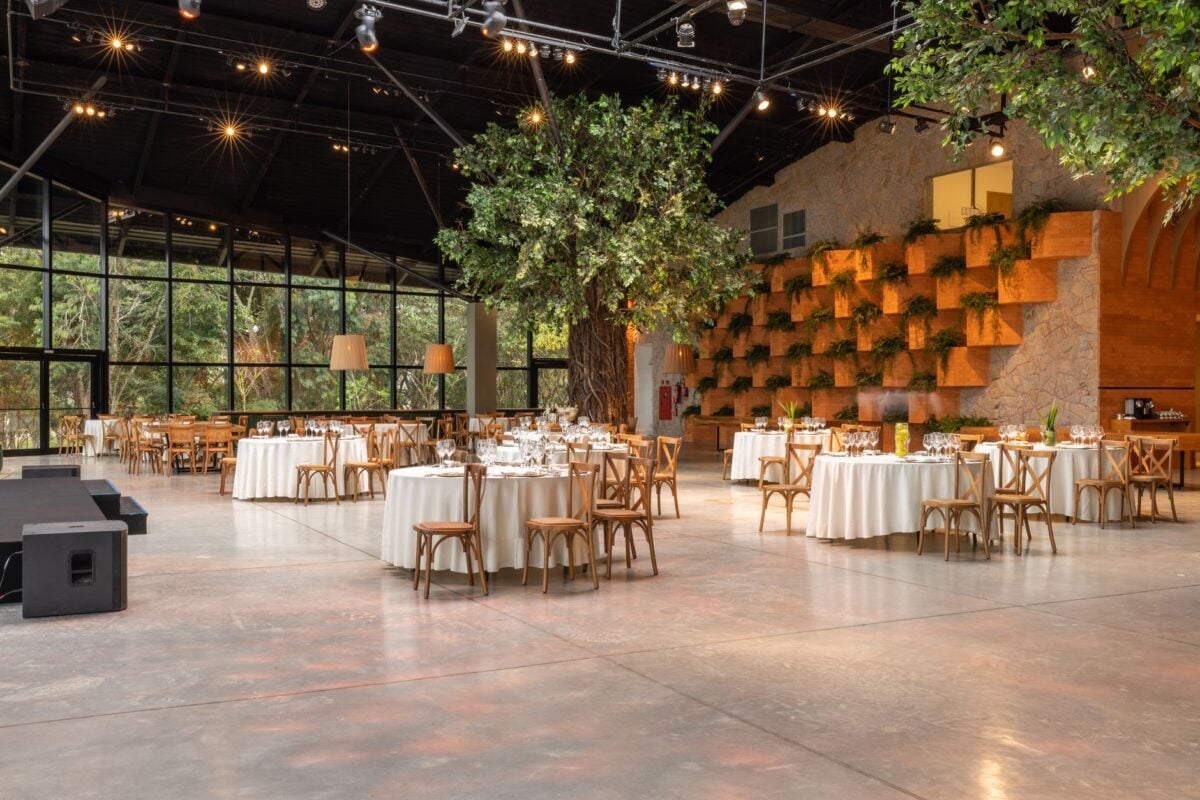
The padlock was new. I noticed that before anything else, because the old one was rusted brown and this one was bright brass, still shiny from the package.
It was seven thirty on a Thursday morning in October, and I had a laundry basket of ironed tablecloths on my hip and a wedding coming on Saturday at four.
I set the basket down on the gravel and pulled on the lock, the way you do when you already know it will not open and your hands need to hear it from the metal.
Behind me a truck door shut. My brother-in-law, Roland Schaal, walked up from his house with a coffee mug in one hand and his keys in the other.
Get a new story in your inbox every morning.
Facebook doesn’t show you every story we post. Our free newsletter does. Join 2,500+ readers.
“Barn’s closed, Margo,” he said.
He said it the way a man says the store is out of milk. He did not look at the basket. He looked at the hill behind the barn, where his cattle were grazing along the fence.
“Roland, I have the Dressler wedding Saturday,” I said. “A hundred and forty people. The caterer comes Saturday morning. I need to set tables today.”
“Then you’d better tell the Dressler girl she needs another place,” he said. “Weddings get moved all the time. People do it every day.”
I stood there holding nothing. I had run every wedding in that barn for nine years. I knew which board on the dance floor squeaked and which outlet tripped if the band plugged in a fog machine.
“What about her deposit?” I asked. “What about the other three? Four fall dates, Roland. That is eighteen thousand dollars of other people’s money.”
“It’s in the barn account,” he said. “The barn account is in my name. You know that. You never wanted to deal with the bank, so I dealt with the bank.”
That was true. Nine years ago I had told him I would rather scrub every toilet in Gillespie County than sit in a loan office.
He had laughed and said fine, he would do the paper and I would do the people.
“You can’t keep a bride’s deposit and lock her out,” I said.
He finally looked at me. His face was tired in a way I had not noticed before, gray under the eyes, his shirt buttoned wrong at the bottom.
“I can do what I need to do on my own ground,” he said. Then he walked back up to his house and shut the door, and I heard the deadbolt go.